Introduction
MEDI3185 is a biosimilar antibody that targets the stromal cell-derived factor 1 receptor (SDF1R). It is a research grade antibody that has shown promising results in pre-clinical studies and is currently undergoing clinical trials for potential therapeutic applications. In this article, we will explore the structure, activity, and potential applications of MEDI3185 as a targeted therapy.
Structure of MEDI3185
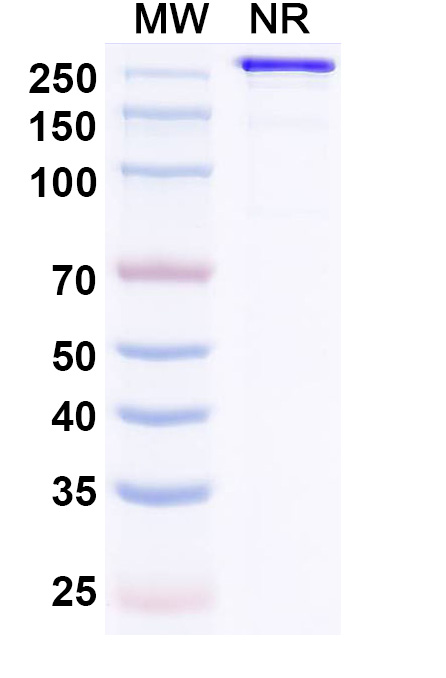
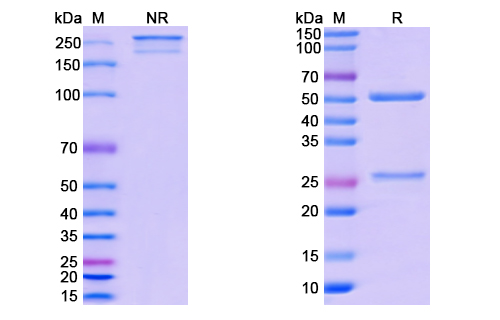
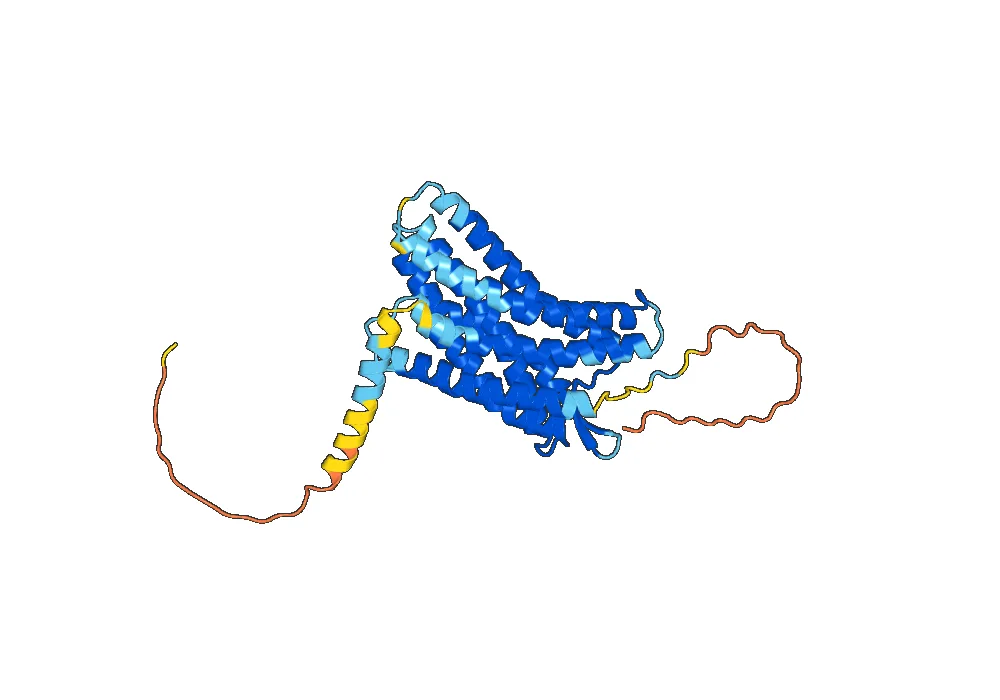
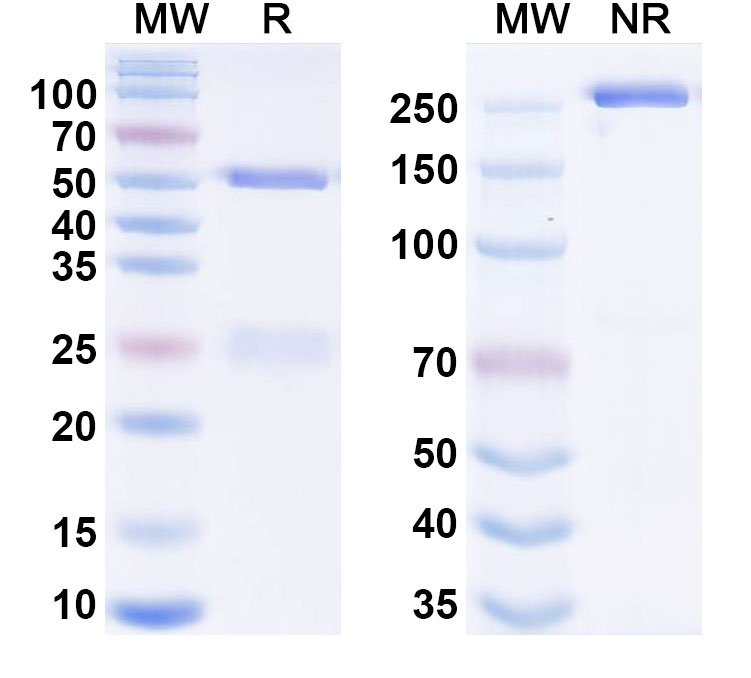
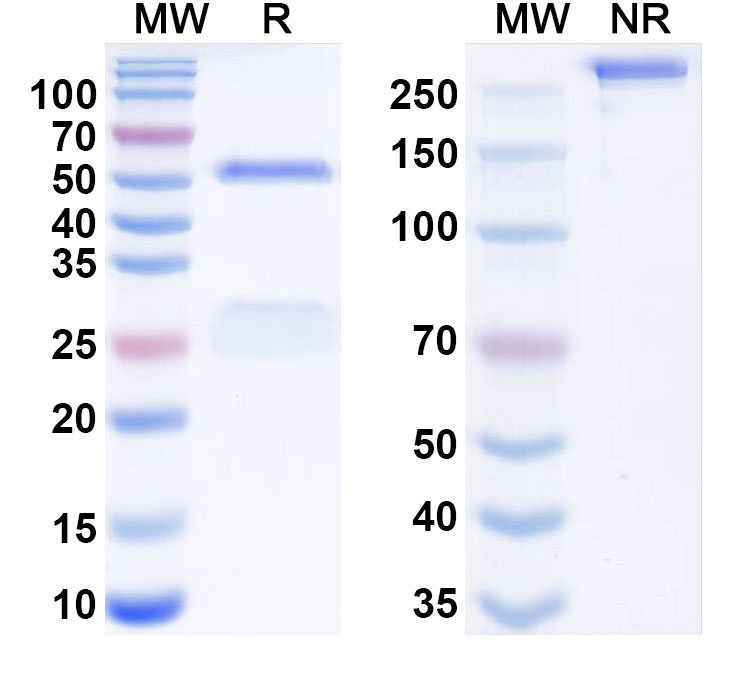
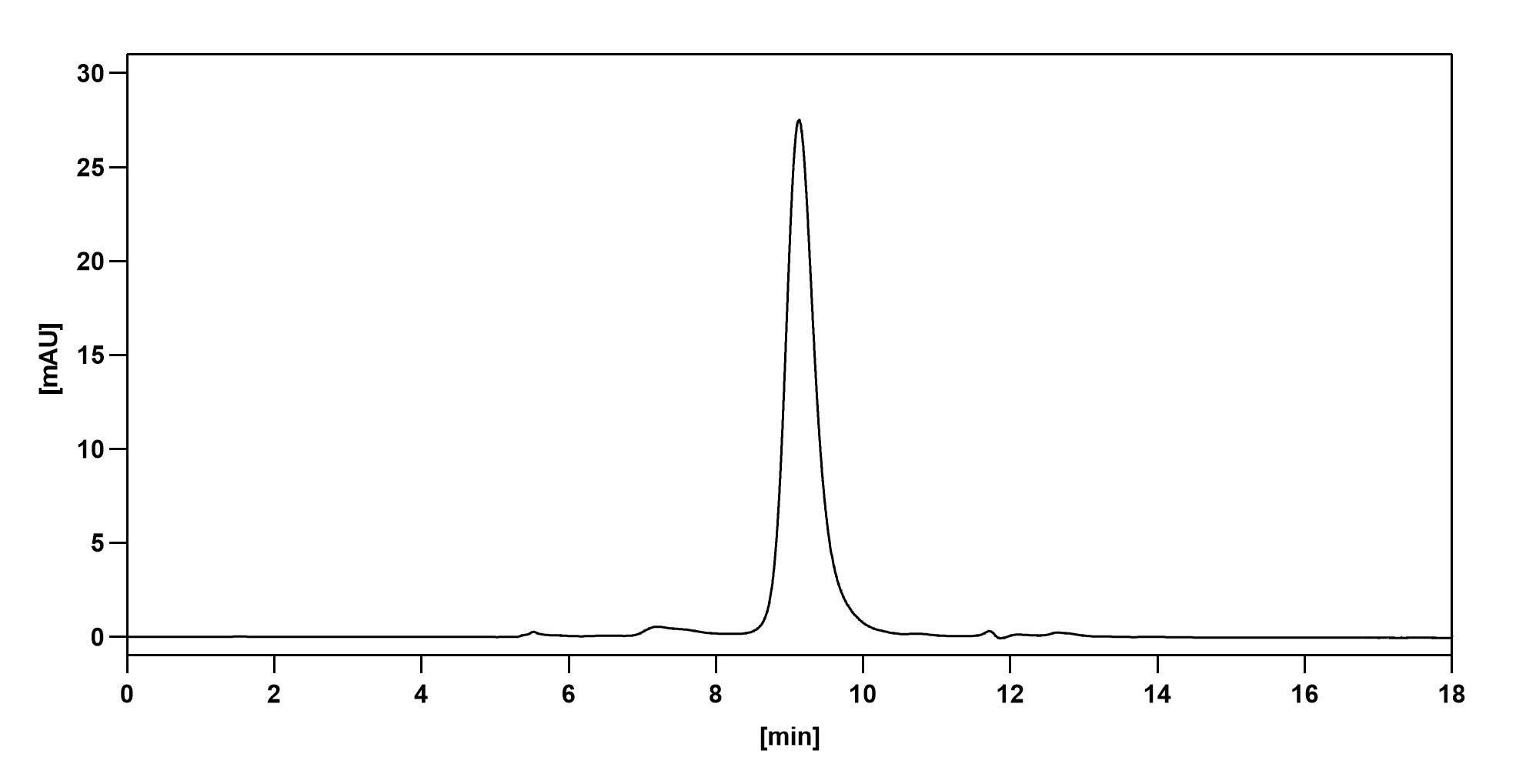
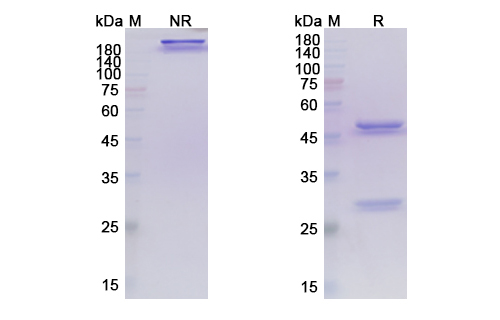
MEDI3185 is a monoclonal antibody (mAb) that specifically binds to the SDF1R, a receptor found on the surface of various cells, including immune cells, endothelial cells, and cancer cells. The antibody is produced through recombinant DNA technology, where the gene for the antibody is inserted into a host cell, such as Chinese hamster ovary (CHO) cells, to produce large quantities of the antibody. MEDI3185 has a molecular weight of approximately 150 kDa and is composed of two heavy chains and two light chains, connected by disulfide bonds. The antibody has a Y-shaped structure, with the two heavy chains forming the arms of the Y and the two light chains forming the base.
Activity of MEDI3185
The primary function of MEDI3185 is to bind to the SDF1R and block its activity. The SDF1R is a key regulator of cell migration, proliferation, and survival, and is often overexpressed in various cancers, making it an attractive therapeutic target. By binding to the SDF1R, MEDI3185 prevents the receptor from interacting with its ligand, SDF1, and disrupts downstream signaling pathways that promote cancer cell growth and metastasis. In addition to its anti- cancer activity, MEDI3185 has also shown potential in modulating the immune response, as SDF1R is involved in the recruitment and activation of immune cells.
Applications of MEDI3185
MEDI3185 has been primarily developed as a targeted therapy for various types of cancer. Pre-clinical studies have shown that the antibody can effectively inhibit tumor growth and metastasis in a variety of cancer models, including breast, lung, and prostate cancer. In addition, MEDI3185 has been shown to enhance the efficacy of other cancer treatments, such as chemotherapy and radiation therapy, by sensitizing cancer cells to these treatments. Clinical trials are currently underway to evaluate the safety and efficacy of MEDI3185 in cancer patients.
Apart from its potential as a cancer therapy, MEDI3185 also has potential applications in other diseases. The SDF1R is involved in various inflammatory and autoimmune disorders, and MEDI3185 has shown promise in pre-clinical models of these diseases. For example, in a mouse model of rheumatoid arthritis, MEDI3185 was able to reduce inflammation and joint destruction. In addition, the antibody has also shown potential in treating cardiovascular diseases, as SDF1R is involved in the recruitment of endothelial cells to damaged blood vessels.
Conclusion
In summary, MEDI3185 is a research grade biosimilar antibody that specifically targets the SDF1R. Its structure, activity, and potential applications make it a promising therapeutic candidate for various diseases, particularly cancer. With ongoing clinical trials and further research, MEDI3185 has the potential to become an effective and targeted treatment option for patients in need.
There are no reviews yet.