Lumistobart Biosimilar – Anti-BIT mAb – Research Grade
Introduction
Lumistobart Biosimilar – Anti-BIT mAb – Research Grade is a therapeutic antibody that has been developed to target the protein BIT, which is involved in various disease processes. This biosimilar has been designed to have similar structure, activity and application as the original anti-BIT monoclonal antibody (mAb), but at a more affordable cost. In this article, we will explore the structure, activity and potential applications of this biosimilar in the field of therapeutics.
Structure of Lumistobart Biosimilar – Anti-BIT mAb
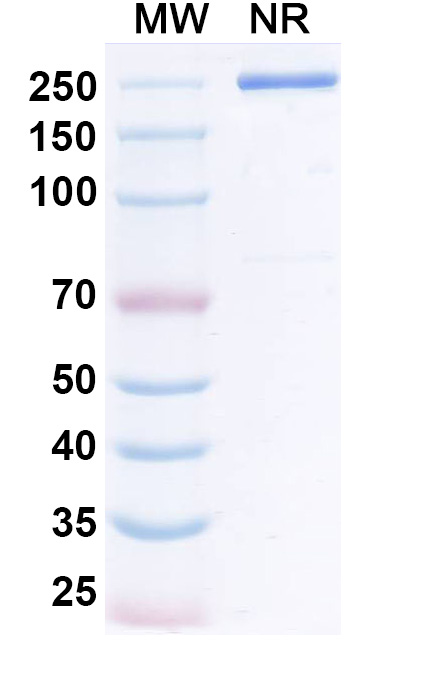
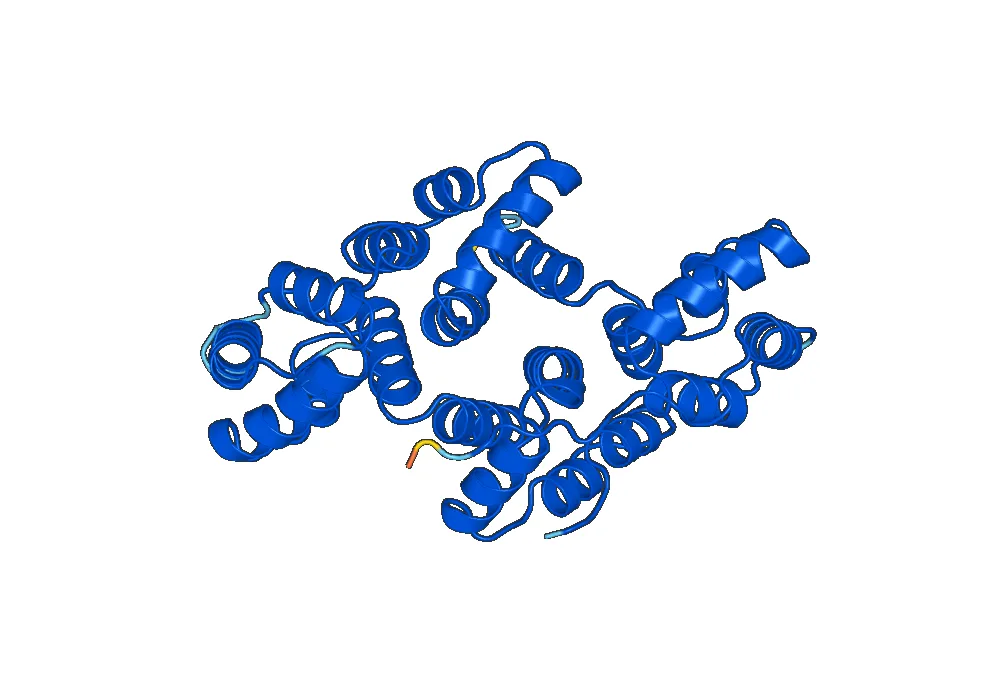
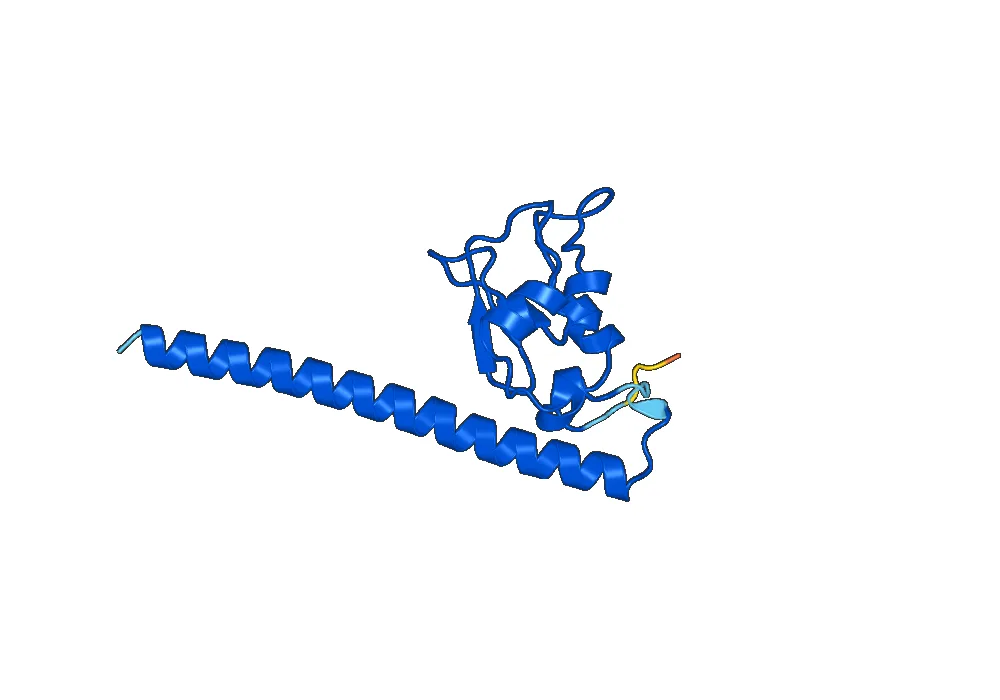
Lumistobart Biosimilar – Anti-BIT mAb is a recombinant humanized monoclonal antibody, which means that it is produced in a laboratory using genetic engineering techniques. It is composed of two identical heavy chains and two identical light chains, each containing a variable region and a constant region. The variable regions are responsible for binding to the target protein, BIT, while the constant regions provide stability and effector functions.
The structure of this biosimilar is very similar to the original anti-BIT mAb, with minor modifications to make it more cost-effective. These modifications do not affect the binding affinity or specificity of the antibody towards BIT, ensuring its therapeutic efficacy.
Activity of Lumistobart Biosimilar – Anti-BIT mAb
The main activity of Lumistobart Biosimilar – Anti-BIT mAb is to bind to the protein BIT and inhibit its function. BIT is a key player in various disease processes, including inflammation, autoimmune disorders, and cancer. By blocking the activity of BIT, this biosimilar can help to alleviate symptoms and slow down disease progression.
Additionally, this biosimilar also has effector functions, such as antibody-dependent cell-mediated cytotoxicity (ADCC) and complement-dependent cytotoxicity (CDC). These functions can help to enhance the immune response against BIT-expressing cells, leading to their destruction.
Application of Lumistobart Biosimilar – Anti-BIT mAb
Lumistobart Biosimilar – Anti-BIT mAb has the potential to be used in various therapeutic applications, including the treatment of autoimmune diseases, inflammatory disorders, and cancer. Its ability to specifically target BIT makes it a promising candidate for these conditions, as BIT has been implicated in their pathogenesis.
In autoimmune diseases, BIT is known to play a role in the activation of immune cells and the production of inflammatory cytokines. By blocking BIT, this biosimilar can help to reduce the excessive immune response and alleviate symptoms in conditions such as rheumatoid arthritis and multiple sclerosis.
In inflammatory disorders, BIT is involved in the recruitment and activation of immune cells, leading to tissue damage. By inhibiting BIT, this biosimilar can help to reduce inflammation and prevent tissue damage in conditions such as inflammatory bowel disease and psoriasis.
In cancer, BIT has been found to promote tumor growth and metastasis. By targeting BIT, this biosimilar can potentially inhibit these processes and slow down tumor progression. It can also enhance the immune response against cancer cells, making it a promising addition to cancer treatment regimens.
Conclusion
Lumistobart Biosimilar – Anti-BIT mAb – Research Grade is a promising therapeutic antibody that has been developed to target the protein BIT. It has a similar structure and activity to the original anti-BIT mAb, but at a more affordable cost. This biosimilar has the potential to be used in various therapeutic applications, including autoimmune diseases, inflammatory disorders, and cancer. Its ability to specifically target BIT makes it a valuable addition to the field of therapeutics.




There are no reviews yet.