The Structure of Vixarelimab Biosimilar – Anti-OSMR mAb
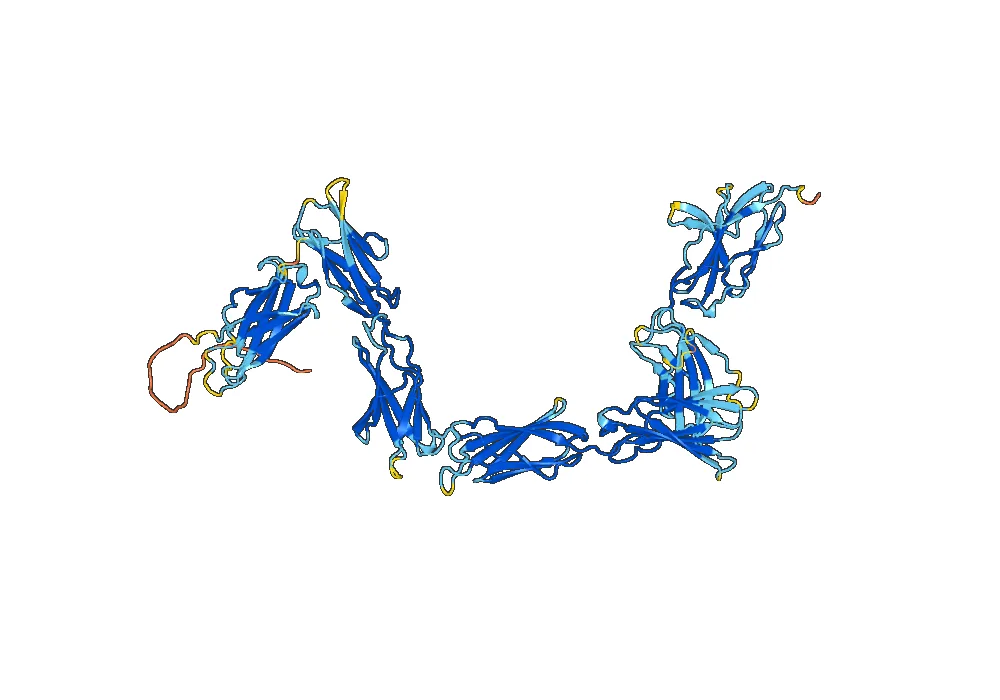
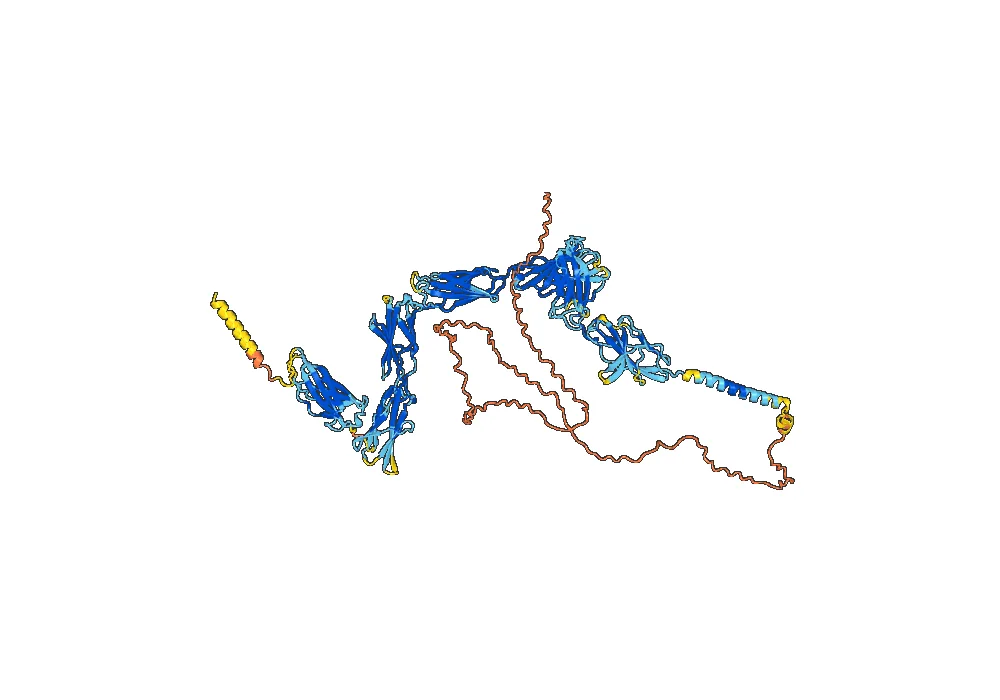
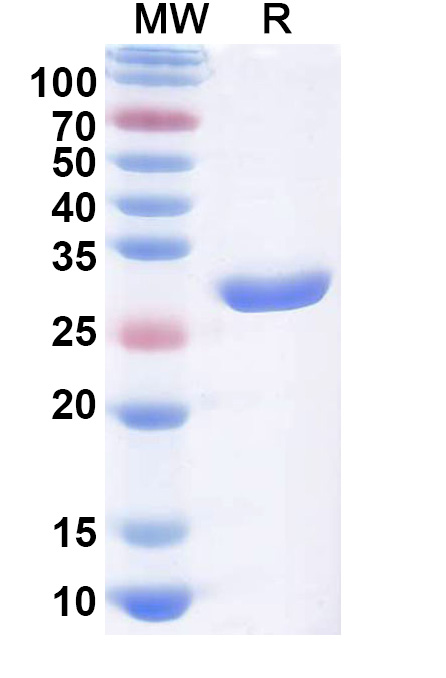
Vixarelimab Biosimilar, also known as Anti-OSMR mAb, is a monoclonal antibody (mAb) that specifically targets the OSMR (Oncostatin M Receptor) protein. It is a biosimilar version of the original Vixarelimab, which was developed and marketed by a pharmaceutical company. The biosimilar version is produced by a different company, using similar manufacturing processes and technology, and has been shown to have comparable structure and activity to the original.
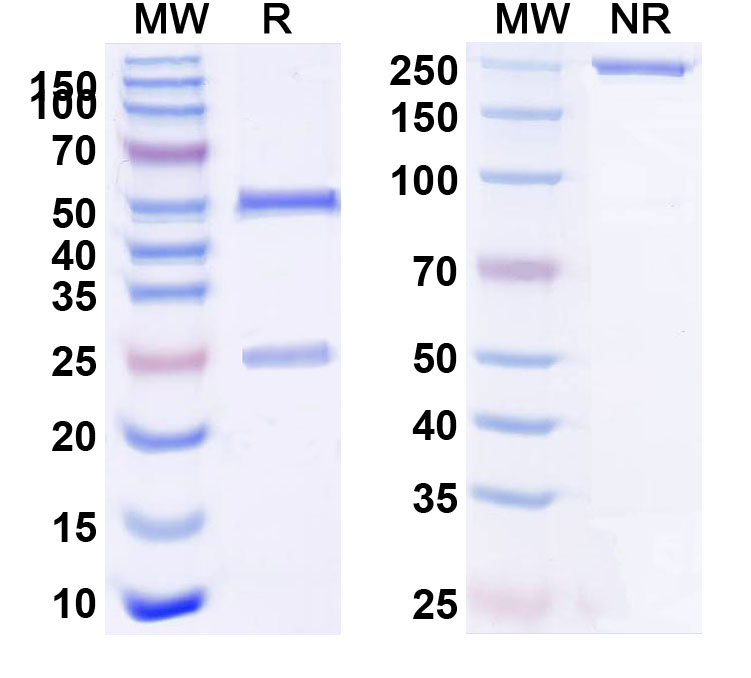
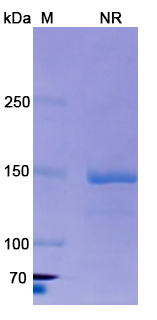
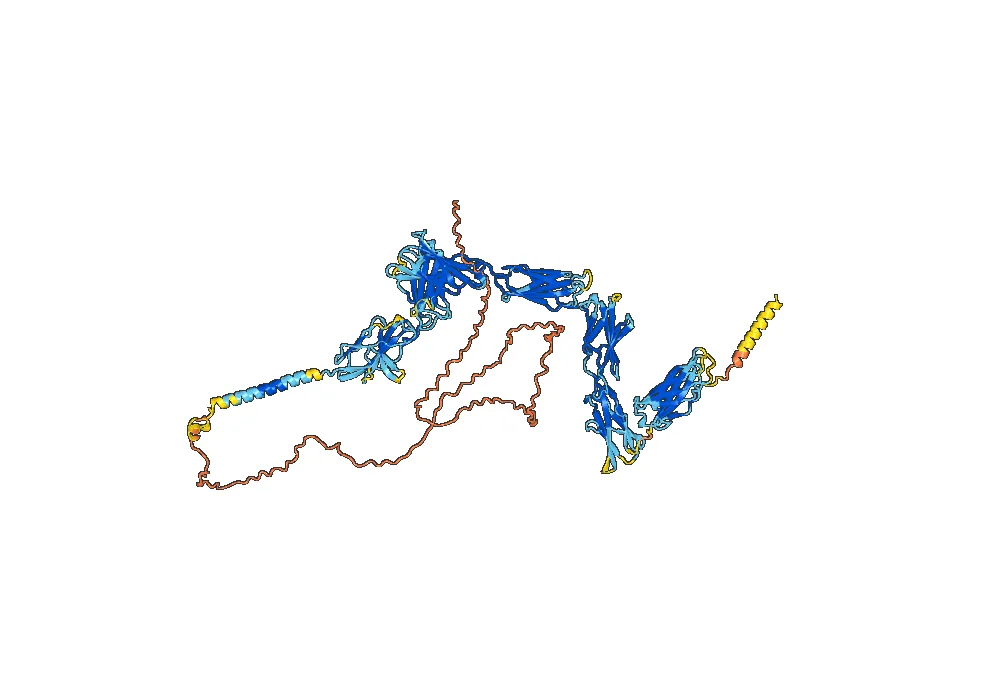
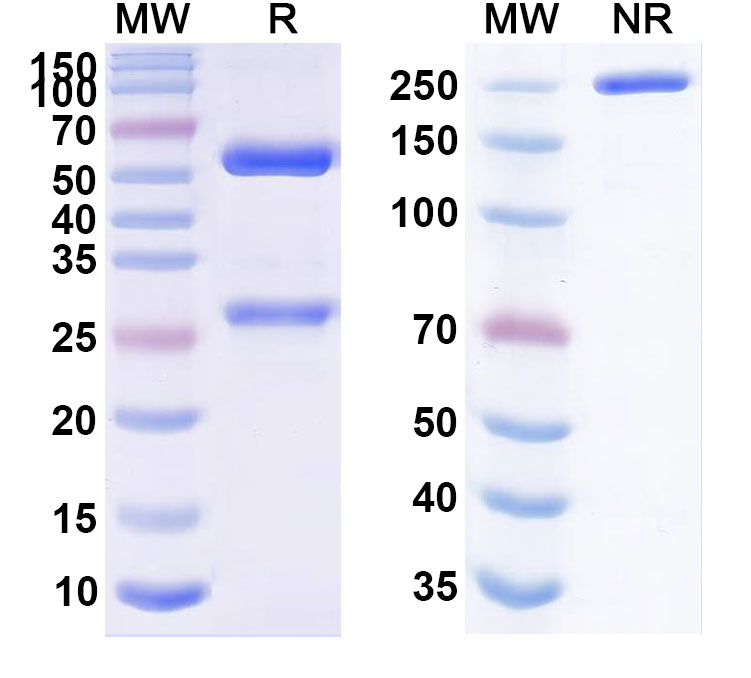
The structure of Vixarelimab Biosimilar is similar to other monoclonal antibodies. It is a Y-shaped protein made up of two heavy chains and two light chains. The heavy chains are composed of constant and variable regions, while the light chains only have a variable region. The variable regions of the heavy and light chains are responsible for binding to the OSMR protein, while the constant regions provide stability and effector functions.
The Activity of Vixarelimab Biosimilar – Anti-OSMR mAb
The main activity of Vixarelimab Biosimilar is to block the activity of the OSMR protein. OSMR is a receptor that is activated by the cytokine Oncostatin M (OSM), which is involved in inflammation and immune response. When OSM binds to OSMR, it triggers a signaling cascade that leads to the production of pro-inflammatory cytokines and chemokines.
By binding to OSMR, Vixarelimab Biosimilar prevents OSM from activating the receptor and inhibits the downstream signaling. This leads to a decrease in the production of pro-inflammatory molecules, reducing the inflammatory response. In addition, Vixarelimab Biosimilar can also induce the death of cells that express high levels of OSMR, such as certain cancer cells.
The Application of Vixarelimab Biosimilar – Anti-OSMR mAb
The main application of Vixarelimab Biosimilar is in the treatment of inflammatory and autoimmune diseases. By blocking the activity of OSMR, it can reduce the symptoms and progression of diseases such as rheumatoid arthritis, psoriasis, and inflammatory bowel disease. In clinical trials, Vixarelimab Biosimilar has shown promising results in reducing inflammation and improving symptoms in patients with these conditions.
Another potential application of Vixarelimab Biosimilar is in the treatment of certain types of cancer. High levels of OSMR have been found in several types of cancer, including breast, lung, and ovarian cancer. By targeting OSMR, Vixarelimab Biosimilar can inhibit the growth and survival of these cancer cells. Clinical trials are currently underway to evaluate the effectiveness of Vixarelimab Biosimilar in treating cancer.
Conclusion
In summary, Vixarelimab Biosimilar – Anti-OSMR mAb is a monoclonal antibody that specifically targets the OSMR protein. Its main activity is to block the activity of OSMR, leading to a decrease in inflammation and potential cell death in certain types of cancer. Its structure is similar to other monoclonal antibodies, with two heavy chains and two light chains. Vixarelimab Biosimilar has shown promising results in clinical trials for the treatment of inflammatory and autoimmune diseases, and is currently being evaluated for its potential use in cancer treatment.

There are no reviews yet.