Introduction:
Linavonkibart Biosimilar – Anti-TGFB1 mAb is a research grade monoclonal antibody (mAb) that targets the protein TGFB1, which is a key regulator of cell growth and differentiation. This biosimilar is a highly specific and potent therapeutic tool that has been developed for use in various research applications.
Structure of Linavonkibart Biosimilar – Anti-TGFB1 mAb:
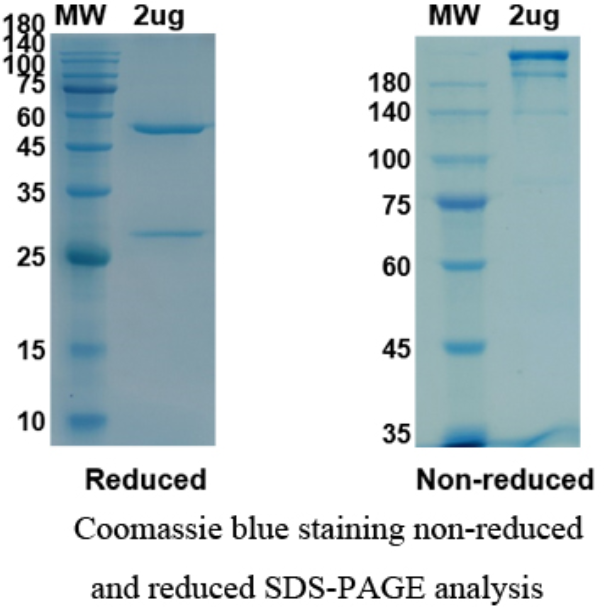
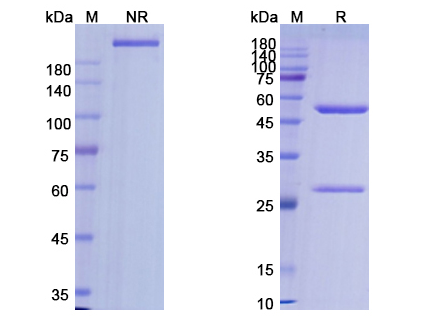
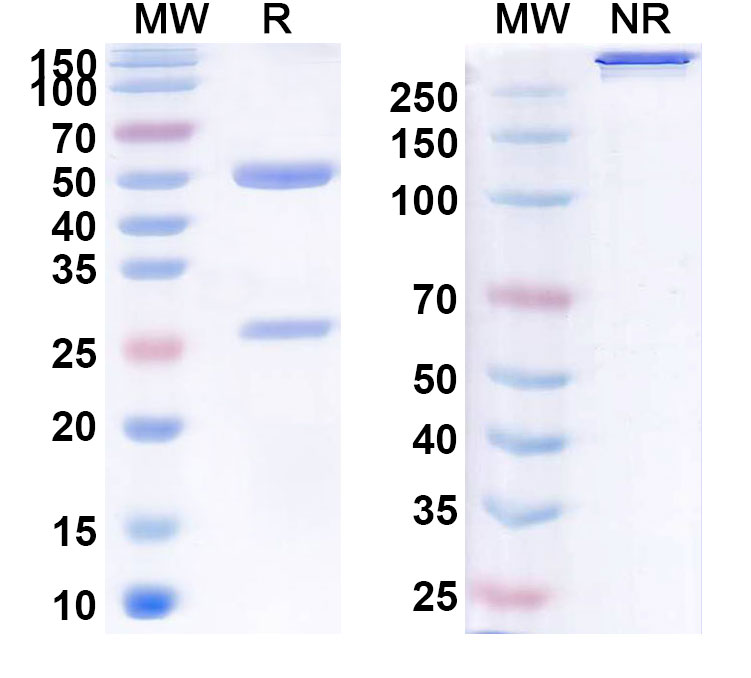
Linavonkibart Biosimilar – Anti-TGFB1 mAb is a recombinant humanized IgG1 monoclonal antibody, with a molecular weight of approximately 150 kDa. It is composed of two identical heavy chains and two identical light chains, each with a variable region and a constant region. The variable region of the antibody is responsible for binding to the target protein TGFB1, while the constant region is responsible for effector functions such as complement activation and antibody-dependent cell-mediated cytotoxicity.
Activity of Linavonkibart Biosimilar – Anti-TGFB1 mAb:
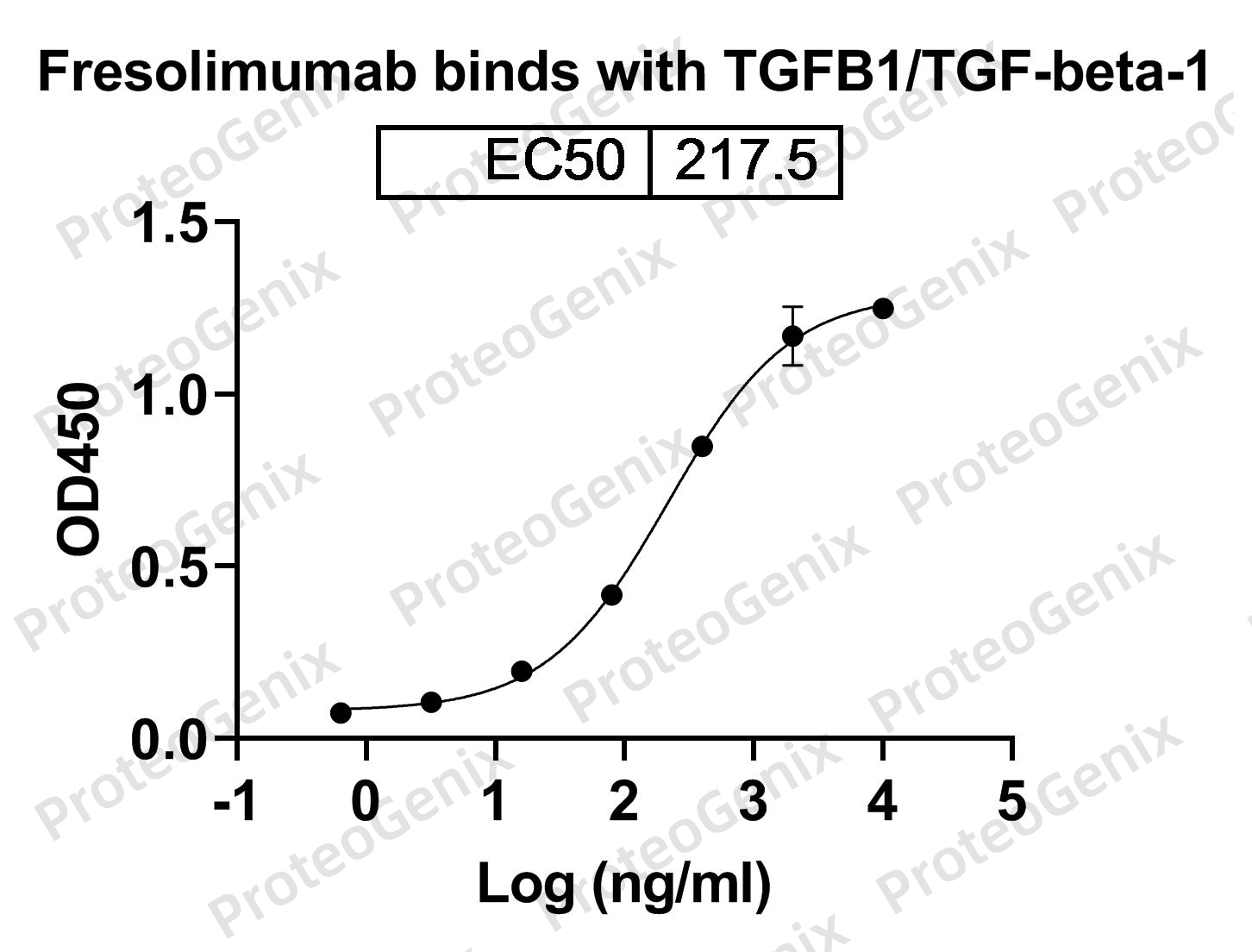
Linavonkibart Biosimilar – Anti-TGFB1 mAb has a high affinity and specificity for its target protein TGFB1. It binds to TGFB1 with a dissociation constant (Kd) in the nanomolar range, making it a potent inhibitor of TGFB1 activity. This antibody blocks the interaction between TGFB1 and its receptors, thereby preventing downstream signaling pathways that are involved in cell proliferation, differentiation, and immune regulation.
Application of Linavonkibart Biosimilar – Anti-TGFB1 mAb:
1. Research tool for studying TGFB1 signaling: Linavonkibart Biosimilar – Anti-TGFB1 mAb can be used as a research tool to study the role of TGFB1 in various biological processes. It can be used to block TGFB1 activity in cell culture experiments and in animal models, allowing researchers to understand the downstream effects of TGFB1 signaling.
2. Therapeutic potential in cancer: TGFB1 is known to play a role in tumor growth and metastasis, making it an attractive target for cancer therapy. Linavonkibart Biosimilar – Anti-TGFB1 mAb has shown promising results in preclinical studies as a potential treatment for various types of cancer. It can inhibit tumor growth and metastasis by blocking TGFB1-mediated signaling pathways.
3. Treatment of fibrotic diseases: Fibrosis is a pathological condition characterized by excessive accumulation of scar tissue in various organs. TGFB1 is a key mediator of fibrosis, and inhibition of TGFB1 activity has been shown to reduce fibrosis. Linavonkibart Biosimilar – Anti-TGFB1 mAb has the potential to be used as a therapeutic agent for treating fibrotic diseases such as pulmonary fibrosis, liver fibrosis, and kidney fibrosis.
4. Modulation of immune responses: TGFB1 is a potent immunosuppressive cytokine that plays a role in regulating immune responses. Linavonkibart Biosimilar – Anti-TGFB1 mAb can be used to block TGFB1 activity and modulate immune responses in various diseases such as autoimmune disorders, allergies, and transplant rejection.
Conclusion:
Linavonkibart Biosimilar – Anti-TGFB1 mAb is a highly specific and potent monoclonal antibody that targets the protein TGFB1. It has a wide range of potential applications in research and therapeutic settings, including cancer, fibrotic diseases, and immune modulation. Its high affinity and specificity for TGFB1 make it a valuable tool for studying the role of TGFB1 in various biological processes and for developing new treatments for diseases associated with dysregulated TGFB1 signaling.

There are no reviews yet.