Introduction to Letaplimab Biosimilar – Anti-CD47 mAb
Letaplimab Biosimilar, also known as Anti-CD47 mAb, is a promising therapeutic antibody that has gained significant attention in the field of cancer research. This biosimilar is a monoclonal antibody that targets the CD47 protein, which is overexpressed in many types of cancer cells. In this article, we will discuss the structure, activity, and potential applications of Letaplimab Biosimilar in the treatment of cancer.
Structure of Letaplimab Biosimilar
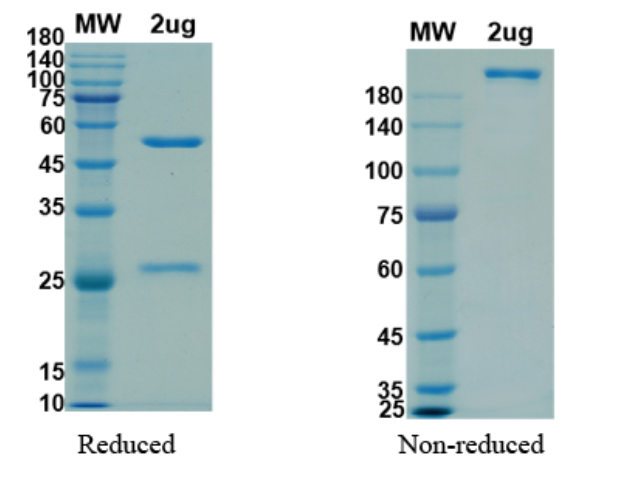
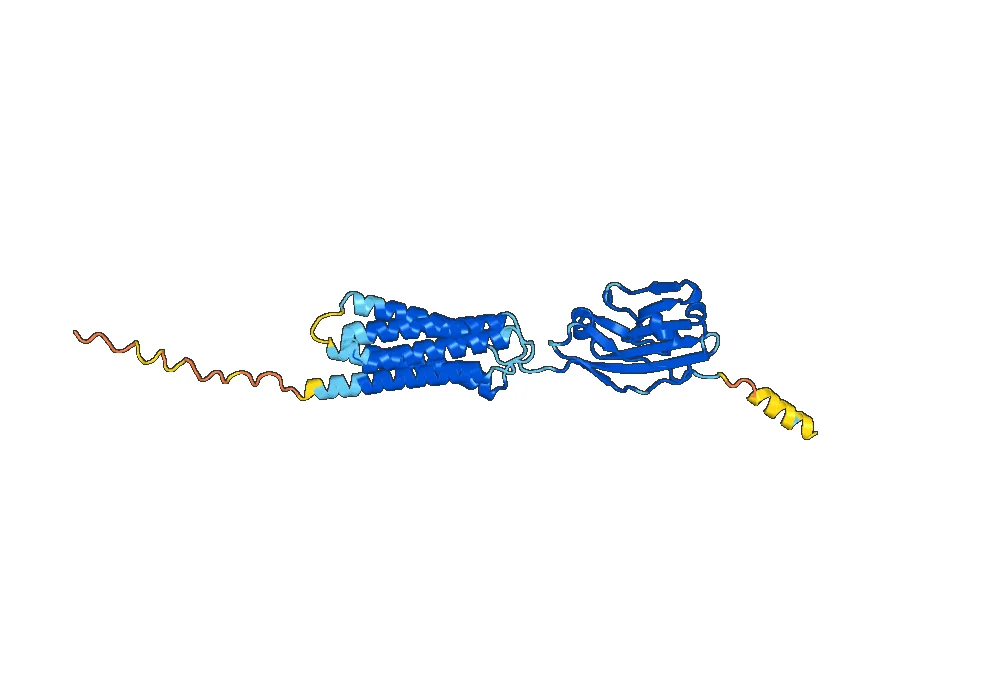
Letaplimab Biosimilar is a recombinant humanized monoclonal antibody, which means it is produced using genetic engineering techniques to create a human-like antibody. It is composed of two heavy chains and two light chains, each containing a variable region and a constant region. The variable region is responsible for binding to the CD47 protein, while the constant region determines the antibody’s effector functions.
Activity of Letaplimab Biosimilar
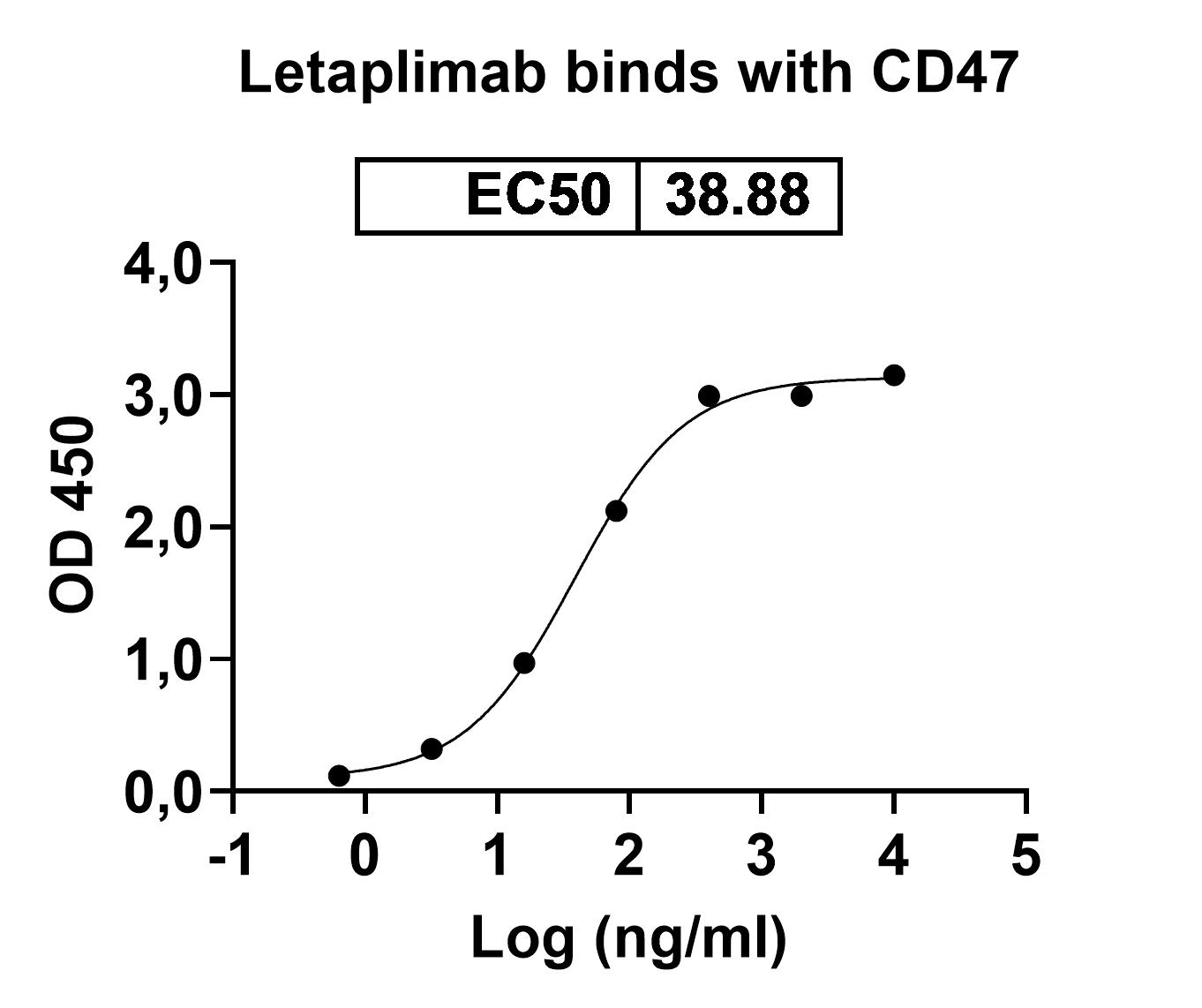
The main activity of Letaplimab Biosimilar is to block the CD47 protein’s interaction with its receptor, signal regulatory protein alpha (SIRPα). This interaction between CD47 and SIRPα is known to be a “don’t eat me” signal, which allows cancer cells to evade the immune system’s detection and destruction. By blocking this interaction, Letaplimab Biosimilar promotes the recognition and elimination of cancer cells by the immune system.
Title: Potential Applications of Letaplimab Biosimilar
Letaplimab Biosimilar has shown promising results in preclinical studies, and it is currently being evaluated in clinical trials for the treatment of various types of cancer, including solid tumors and hematologic malignancies. It has the potential to be used as a monotherapy or in combination with other cancer treatments, such as chemotherapy and immunotherapy.
Title: Letaplimab Biosimilar as a
Therapeutic Target
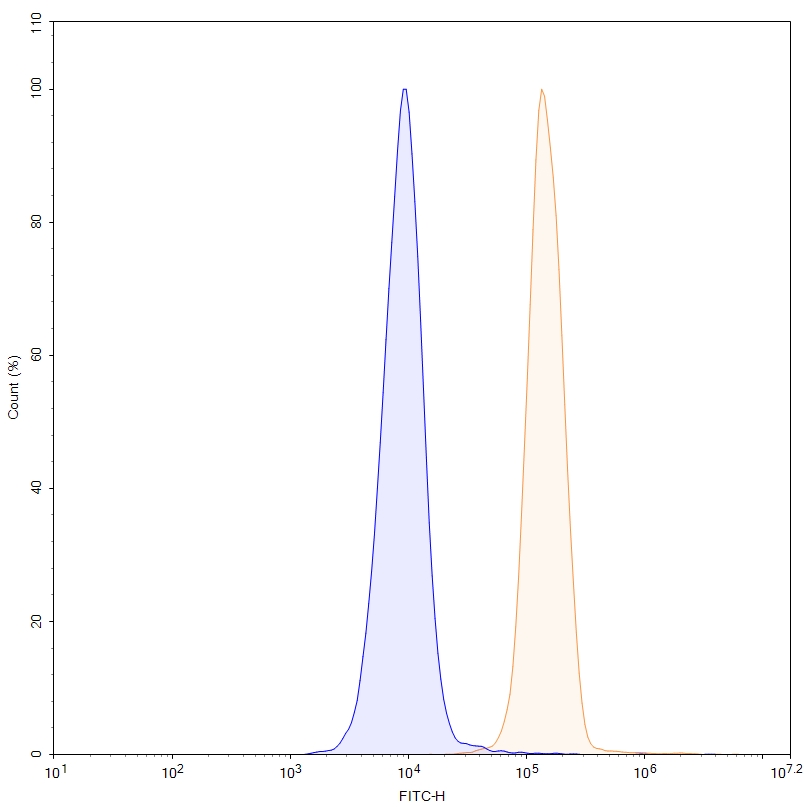
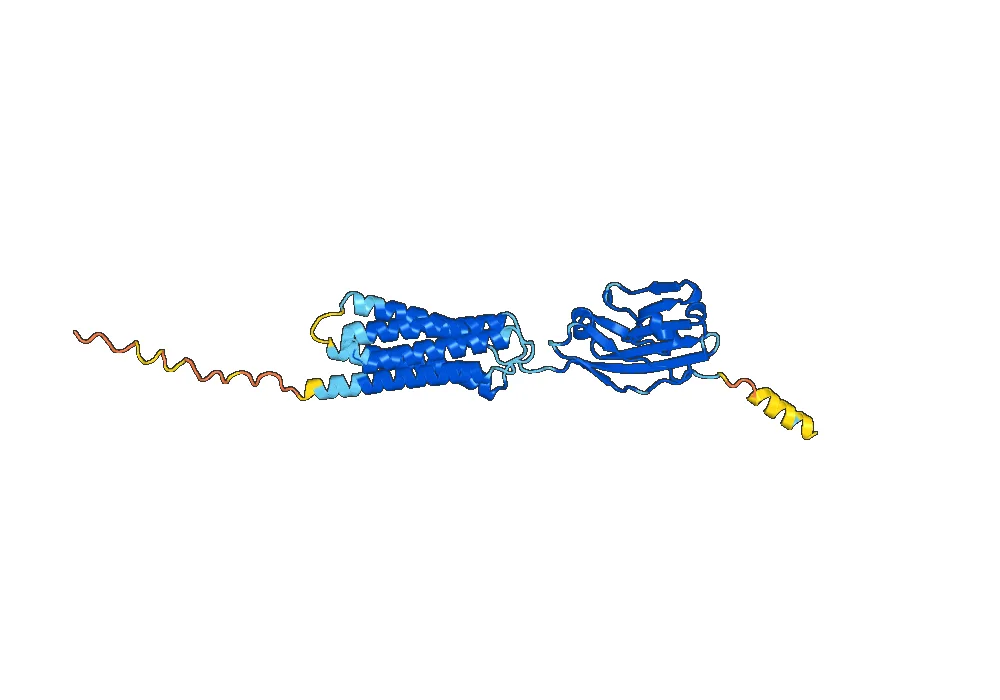
The CD47 protein has been identified as a potential therapeutic target due to its overexpression in many types of cancer cells and its role in immune evasion. Letaplimab Biosimilar specifically targets CD47, making it a promising candidate for cancer treatment. By blocking the “don’t eat me” signal, Letaplimab Biosimilar can enhance the immune system’s ability to identify and eliminate cancer cells.
Advantages of Letaplimab Biosimilar
Compared to other anti-CD47 antibodies, Letaplimab Biosimilar has several advantages. It has a longer half-life, which means it can remain in the body for a longer period, providing sustained therapeutic effects. It also has a lower immunogenicity, meaning it is less likely to cause an immune response in the body. These advantages make Letaplimab Biosimilar a more promising and potentially safer option for cancer treatment.
Conclusion
In conclusion, Letaplimab Biosimilar is a promising therapeutic antibody that specifically targets the CD47 protein, a key player in cancer immune evasion. Its unique structure and activity make it a potential treatment option for various types of cancer. With ongoing clinical trials, Letaplimab Biosimilar has the potential to improve the outcomes of cancer patients and contribute to the advancement of cancer research.




There are no reviews yet.