Introduction to Lebrikizumab Biosimilar – Anti-IL13 mAb
Lebrikizumab Biosimilar, also known as Anti-IL13 mAb, is a novel antibody that has shown promising potential as a therapeutic agent for various inflammatory diseases. This biosimilar is designed to mimic the function of the original Lebrikizumab antibody, which targets the cytokine IL-13. In this article, we will explore the structure, activity, and potential applications of this biosimilar in scientific research.
Structure of Lebrikizumab Biosimilar
Lebrikizumab Biosimilar is a monoclonal antibody, meaning it is made up of identical copies of a single type of antibody. It is produced in a laboratory using recombinant DNA technology, where the gene for the antibody is inserted into a host cell, such as a Chinese hamster ovary cell. The resulting protein is then purified to obtain a highly specific and pure antibody.
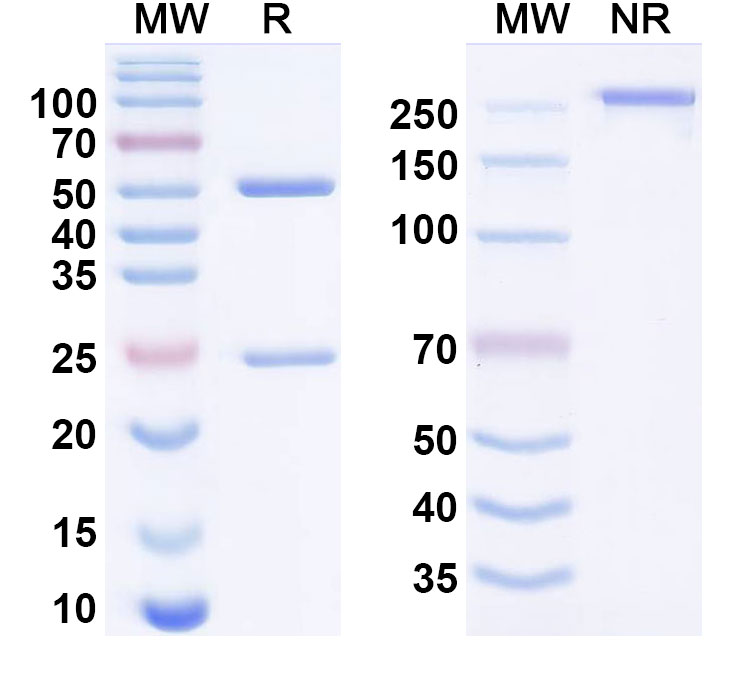
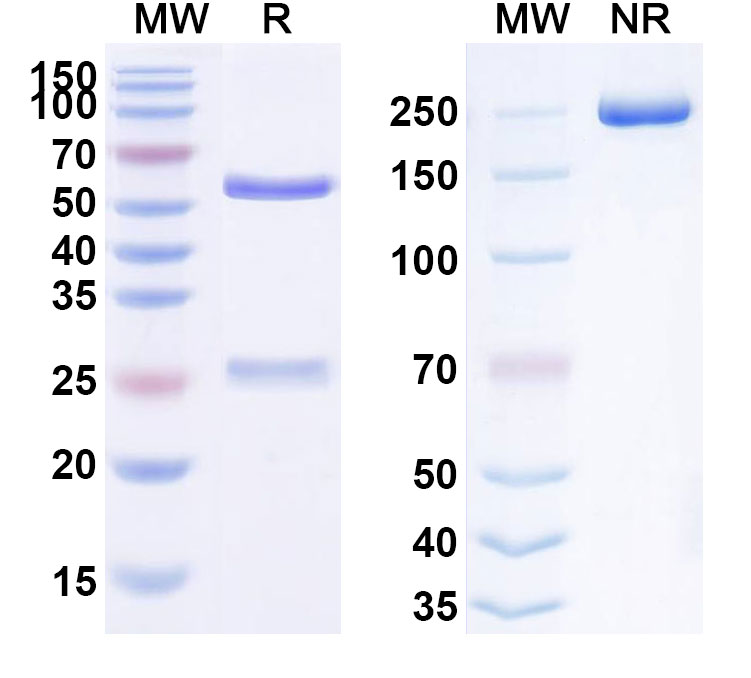
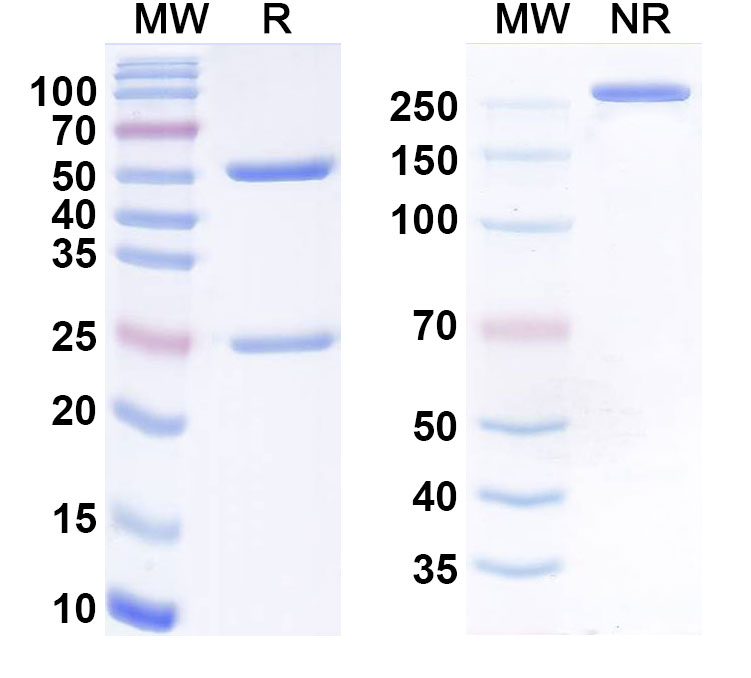
The structure of Lebrikizumab Biosimilar is similar to that of the original Lebrikizumab antibody, with a heavy and light chain connected by disulfide bonds. The antibody has a Y-shaped structure, with two identical antigen-binding sites at the tips of the arms. These binding sites are specific for the cytokine IL-13, which plays a crucial role in inflammation and immune response.
Activity of Lebrikizumab Biosimilar
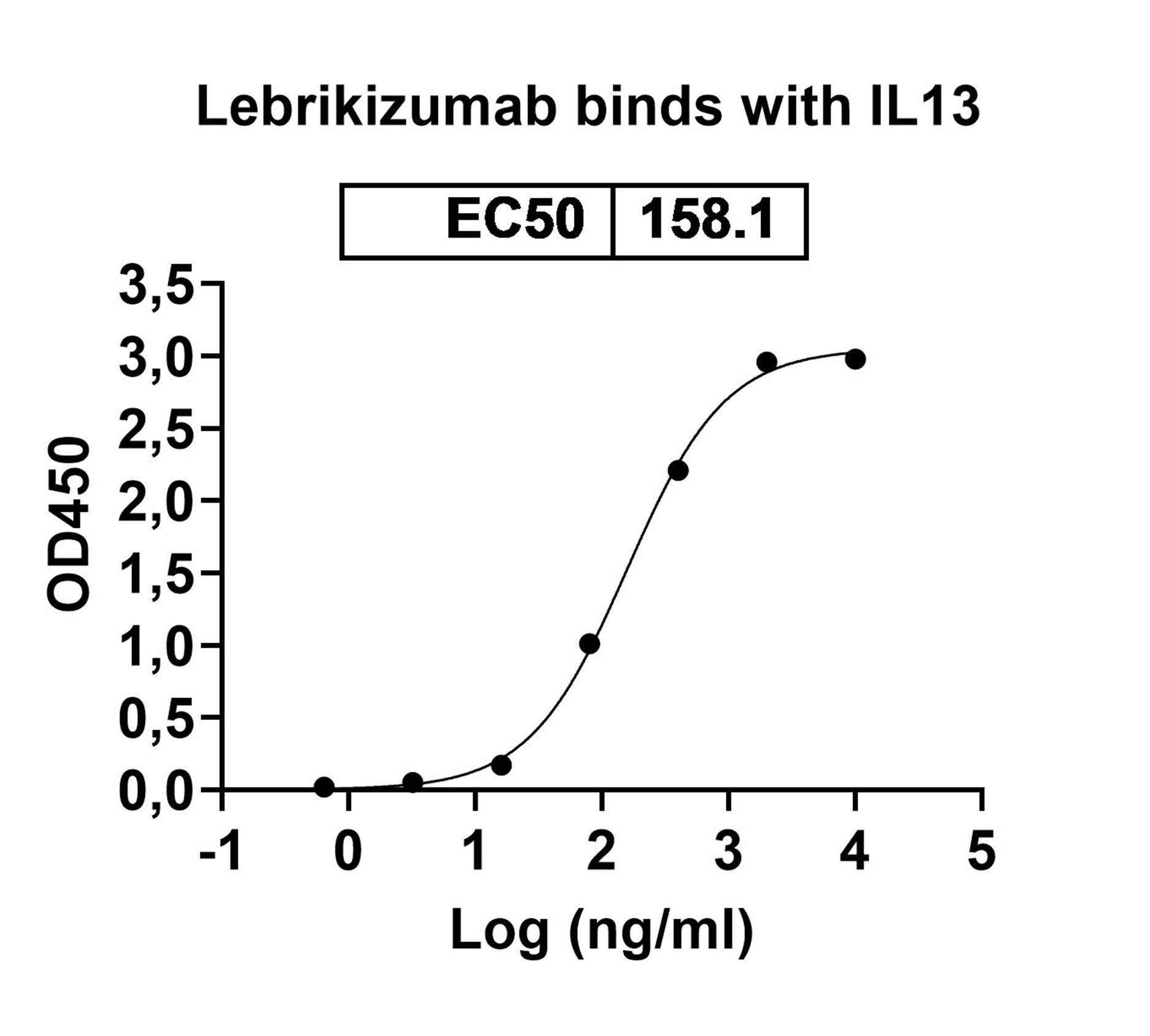
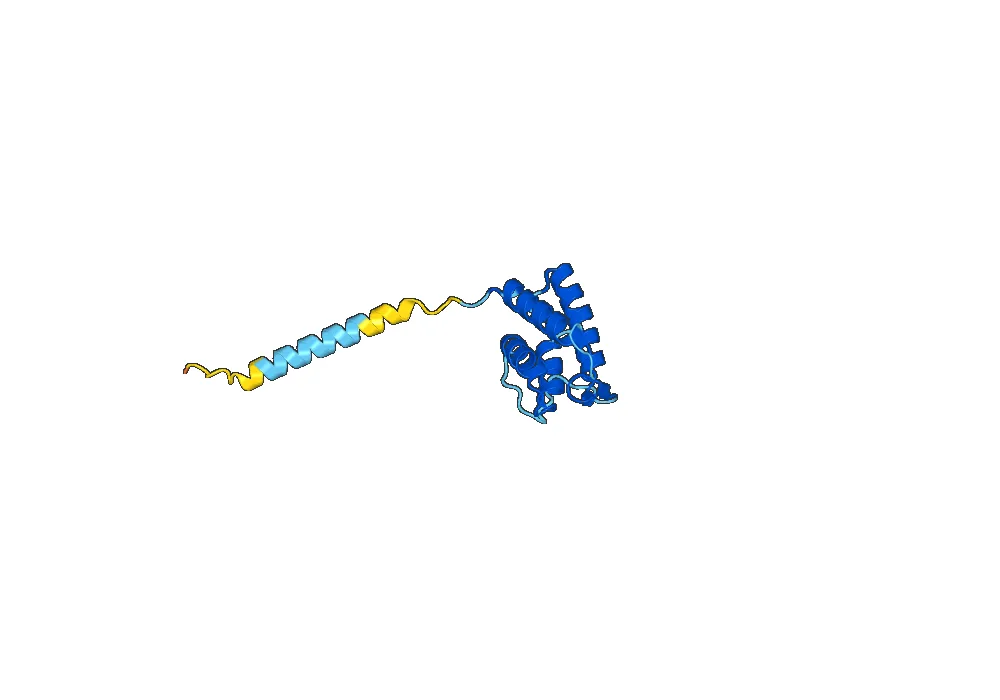
Lebrikizumab Biosimilar works by binding to IL-13 and preventing it from interacting with its receptor. IL-13 is a cytokine that is involved in various inflammatory diseases, such as asthma, atopic dermatitis, and inflammatory bowel disease. By blocking IL-13, Lebrikizumab Biosimilar can reduce the inflammation and symptoms associated with these diseases.
In addition to blocking IL-13, Lebrikizumab Biosimilar also has the potential to modulate the immune response. IL-13 is known to promote the differentiation of immune cells, such as Th2 cells, which play a role in allergic reactions. By inhibiting IL-13, Lebrikizumab Biosimilar may help regulate the immune response and prevent excessive inflammation.
Applications of Lebrikizumab Biosimilar in Research
Lebrikizumab Biosimilar has shown promising results in preclinical and clinical studies, making it a potential candidate for various inflammatory diseases. Some of the potential applications of this biosimilar in scientific research include:
1. Asthma: Asthma is a chronic respiratory disease characterized by airway inflammation and bronchoconstriction. IL-13 is known to play a crucial role in the pathogenesis of asthma. Lebrikizumab Biosimilar has shown promising results in clinical trials for the treatment of asthma, with a significant reduction in asthma exacerbations and improved lung function.
2. Atopic dermatitis: Atopic dermatitis is a chronic inflammatory skin disease that is often associated with allergies. IL-13 has been implicated in the development of atopic dermatitis, and Lebrikizumab Biosimilar has shown potential as a treatment option for this condition. In clinical trials, this biosimilar has demonstrated significant improvement in skin lesions and itchiness in patients with atopic dermatitis.
3. Inflammatory bowel disease (IBD): IBD is a group of chronic inflammatory conditions of the digestive tract, including Crohn’s disease and ulcerative colitis. IL-13 has been implicated in the pathogenesis of IBD, and Lebrikizumab Biosimilar has shown promising results in preclinical studies for the treatment of IBD. It has been shown to reduce inflammation and improve symptoms in animal models of IBD.
Conclusion
Lebrikizumab Biosimilar, also known as Anti-IL13 mAb, is a novel antibody that has shown potential as a therapeutic agent for various inflammatory diseases. Its structure, activity, and potential applications make it a promising candidate for further research and development. With ongoing clinical trials, this biosimilar may provide a new treatment option for patients with inflammatory diseases.

There are no reviews yet.