Introduction to Keliximab Biosimilar: An Anti-CD4 mAb for Therapeutic Targeting Introduction:
Keliximab Biosimilar is a novel monoclonal antibody (mAb) that specifically targets CD4, a cell surface protein found on T lymphocytes. This biosimilar is a research-grade version of the original Keliximab, which has been used in clinical trials for the treatment of autoimmune diseases. In this article, we will dive into the structure, activity, and potential applications of this promising anti-CD4 mAb.
Structure of Keliximab Biosimilar:
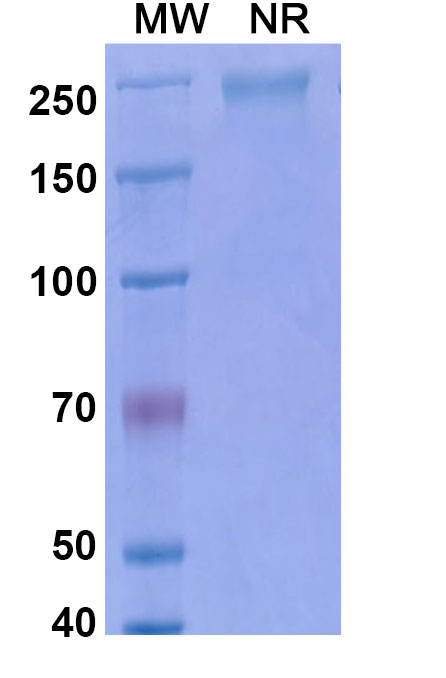
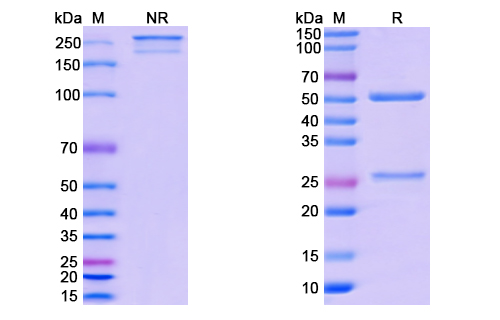
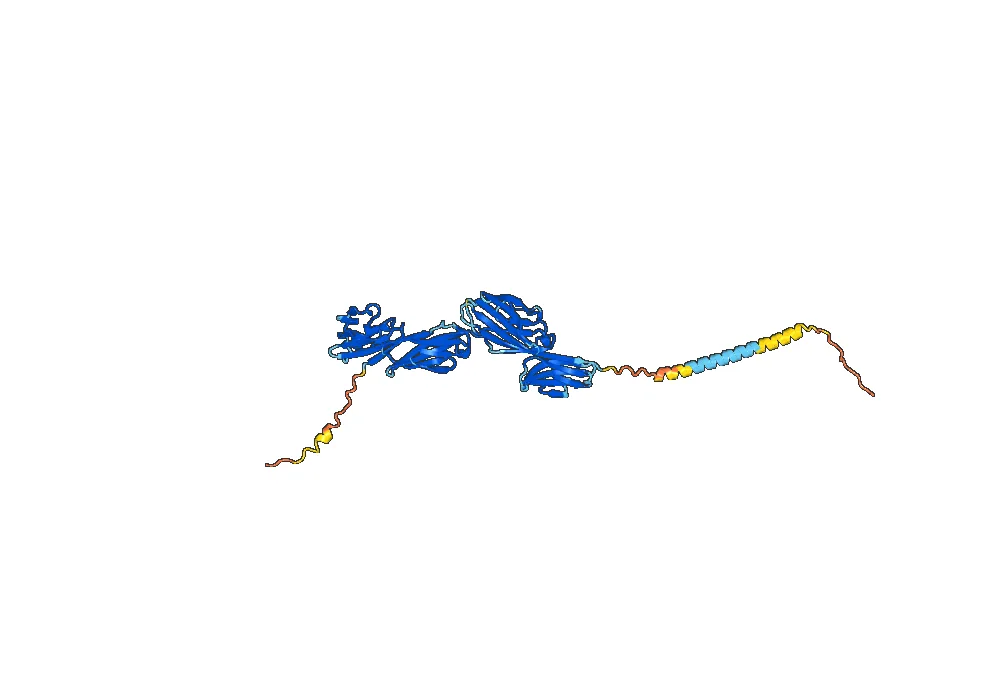
Keliximab Biosimilar is a recombinant humanized IgG1 monoclonal antibody, with a molecular weight of approximately 150 kDa. It is composed of two heavy chains and two light chains, each with a variable region that binds to CD4. The antibody is produced in mammalian cell lines using recombinant DNA technology, ensuring consistent and high-quality production.
Activity of Keliximab Biosimilar:
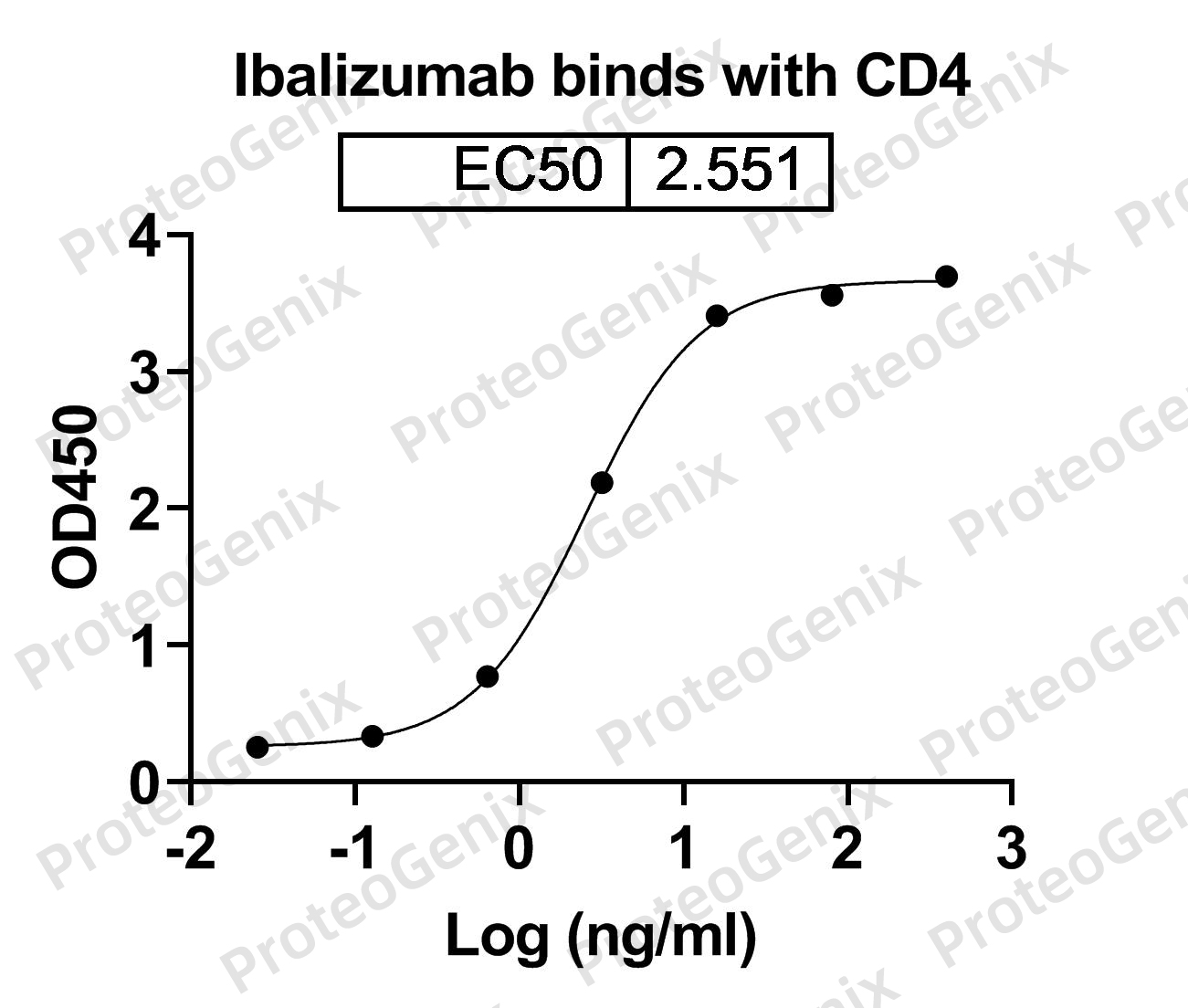
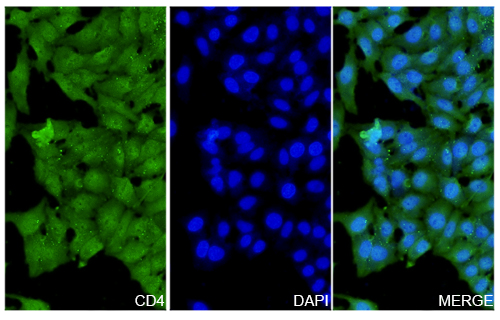
The primary function of Keliximab Biosimilar is to bind to CD4, a glycoprotein found on the surface of T lymphocytes. This binding results in the inhibition of T cell activation, which is a key mechanism in the pathogenesis of autoimmune diseases. By targeting CD4, Keliximab Biosimilar prevents the interaction between T cells and antigen-presenting cells, thereby reducing the production of inflammatory cytokines and the proliferation of autoreactive T cells.
In addition to its direct effects on T cells, Keliximab Biosimilar also has an indirect immunomodulatory activity. It can bind to CD4-expressing dendritic cells and macrophages, inhibiting their activation and reducing the secretion of pro-inflammatory cytokines. This dual mechanism of action makes Keliximab Biosimilar a potent and versatile therapeutic agent for autoimmune diseases.
Applications of Keliximab Biosimilar:
As a research-grade version of Keliximab, this biosimilar is primarily used for preclinical studies and in vitro experiments. However, the potential clinical applications of this anti-CD4 mAb are vast. It has shown promising results in clinical trials for the treatment of multiple sclerosis, rheumatoid arthritis, and psoriasis. In these diseases, Keliximab Biosimilar has demonstrated its ability to reduce disease activity and improve clinical outcomes.
Moreover, Keliximab Biosimilar has also been investigated for its potential use in organ transplantation. By targeting CD4, it can prevent graft rejection and reduce the risk of complications associated with immunosuppressive therapies. This could potentially improve the success rates of organ transplantation and reduce the burden of long-term immunosuppression on patients.
Conclusion:
In summary, Keliximab Biosimilar is a research-grade anti-CD4 monoclonal antibody with a well-defined structure and potent activity. It has shown promising results in preclinical and clinical studies for the treatment of autoimmune diseases and has potential applications in organ transplantation. With further research and development, Keliximab Biosimilar could become a valuable therapeutic option for patients with CD4-mediated disorders.



There are no reviews yet.