The Structure of Izalontamab Biosimilar – Anti-EGFR, ERBB3 mAb
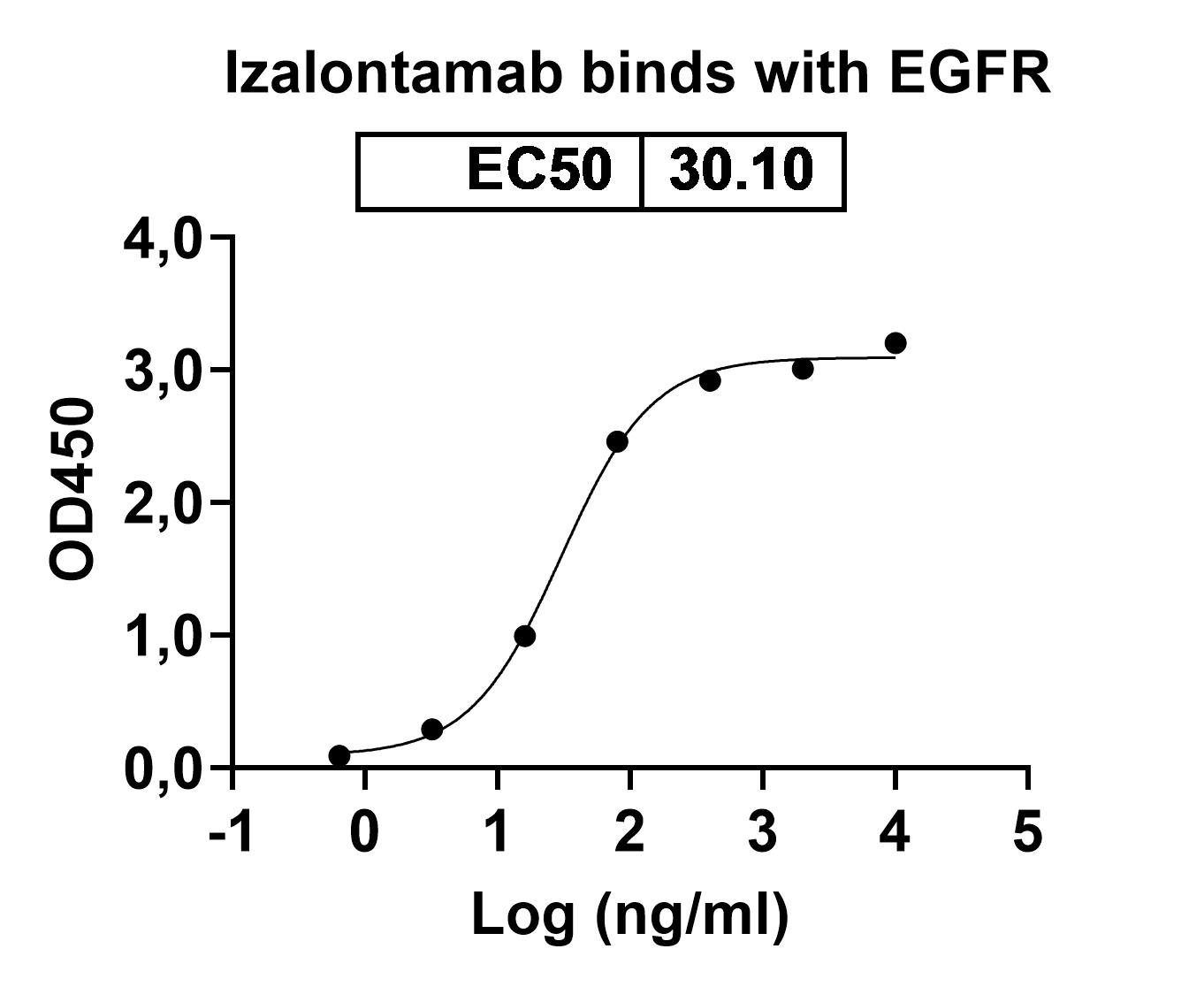
Izalontamab Biosimilar, also known as Anti-EGFR, ERBB3 mAb, is a monoclonal antibody that targets two important proteins in the human body – epidermal growth factor receptor (EGFR) and ERBB3. This biosimilar is a research grade version of the original Izalontamab, which is currently being used as a therapeutic antibody in the treatment of various types of cancer.
The Antibody Structure
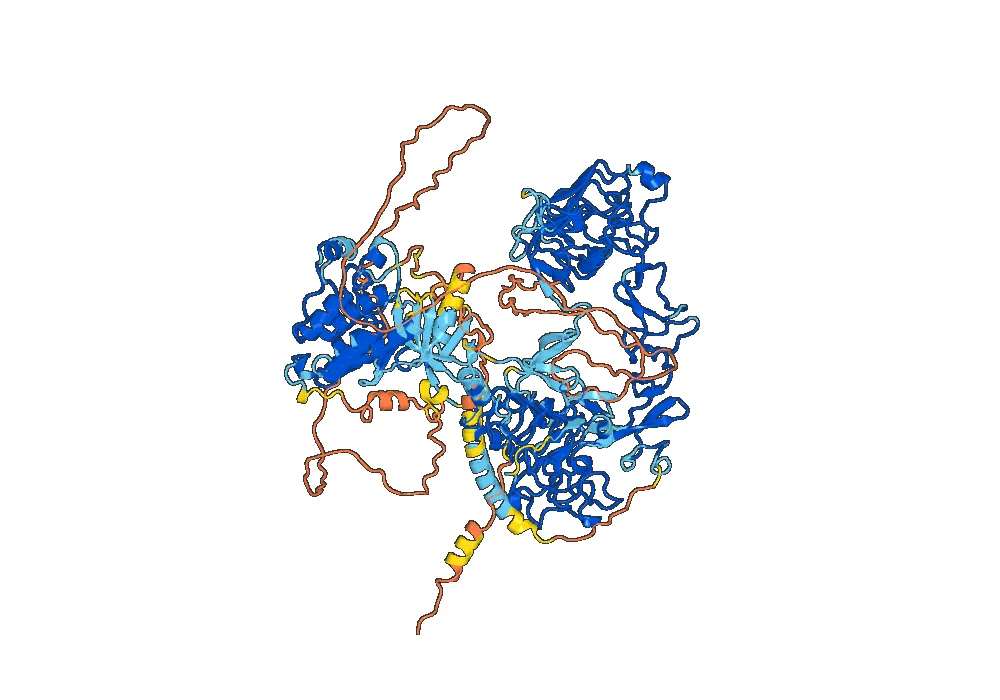
Izalontamab Biosimilar is a chimeric antibody, meaning it is composed of both human and mouse components. It is made up of two heavy chains and two light chains, each with a unique amino acid sequence. The heavy chains are responsible for the antibody’s binding to its target proteins, while the light chains provide stability and support.
The variable regions of the antibody, also known as the antigen-binding sites, are located at the tips of the heavy and light chains. These regions are highly specific and are responsible for recognizing and binding to the target proteins, EGFR and ERBB3. The constant regions of the antibody are responsible for activating the immune system and triggering various immune responses.
The Activity of Izalontamab Biosimilar
As a monoclonal antibody, Izalontamab Biosimilar is designed to target specific proteins in the body. In this case, it targets EGFR and ERBB3, which are overexpressed in many types of cancer. By binding to these proteins, Izalontamab Biosimilar blocks their activity and prevents them from promoting cancer cell growth and survival.
In addition, Izalontamab Biosimilar also activates the immune system to attack and destroy cancer cells. This is achieved through various mechanisms, including antibody-dependent cellular cytotoxicity (ADCC) and complement-dependent cytotoxicity (CDC). These processes involve the recruitment of immune cells to the site of the cancer cells and the destruction of these cells by the immune system.
The Therapeutic Target of Izalontamab Biosimilar
The primary therapeutic target of Izalontamab Biosimilar is cancer, specifically those that overexpress EGFR and ERBB3. These include colorectal cancer, non-small cell lung cancer, head and neck cancer, and breast cancer. By targeting these proteins, Izalontamab Biosimilar aims to inhibit cancer cell growth and promote cell death, ultimately leading to the regression of tumors.
In addition to cancer, Izalontamab Biosimilar has also shown potential in treating other diseases that involve EGFR and ERBB3, such as psoriasis and rheumatoid arthritis. These conditions are characterized by excessive cell growth and inflammation, which can be targeted by Izalontamab Biosimilar’s activity against EGFR and ERBB3.
Application of Izalontamab Biosimilar
Izalontamab Biosimilar is currently being used in pre-clinical and clinical trials as a potential therapeutic option for cancer and other diseases. Its research grade version is also widely used in laboratories for various experiments and studies related to EGFR and ERBB3.
In the clinical setting, Izalontamab Biosimilar is administered through intravenous infusion. The dosage and frequency of administration may vary depending on the type and stage of cancer being treated. It is often used in combination with other cancer treatments, such as chemotherapy and radiation therapy, to achieve better outcomes.
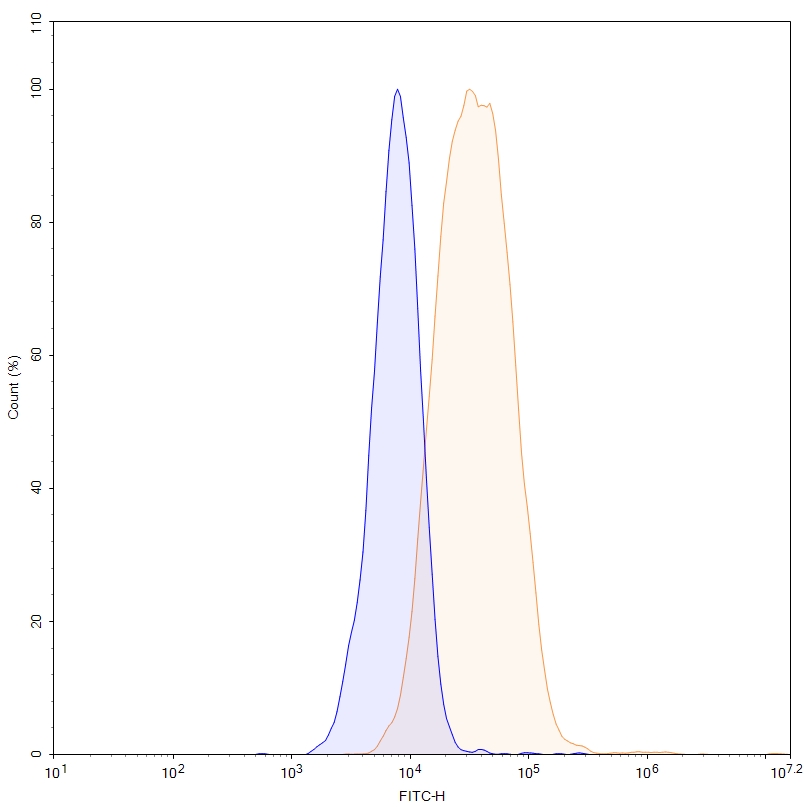
In the laboratory, Izalontamab Biosimilar is used for various purposes, including cell culture experiments, flow cytometry analysis, and in vivo studies. Its high specificity and activity against EGFR and ERBB3 make it a valuable tool in understanding the role of these proteins in cancer and other diseases.
Conclusion
In summary, Izalontamab Biosimilar is a chimeric monoclonal antibody that targets EGFR and ERBB3, two proteins that are overexpressed in many types of cancer. Its unique structure
There are no reviews yet.