Introduction
The Human TM4SF1 HEK293T Stable Cell Line is a valuable tool for studying the structure, activity, and potential therapeutic applications of the TM4SF1 protein. This stable cell line is derived from human embryonic kidney cells (HEK293T) and has been genetically modified to stably express high levels of the TM4SF1 protein. In this article, we will discuss the structure of TM4SF1, its activity in various cellular processes, and its potential as a therapeutic target.
Structure of TM4SF1
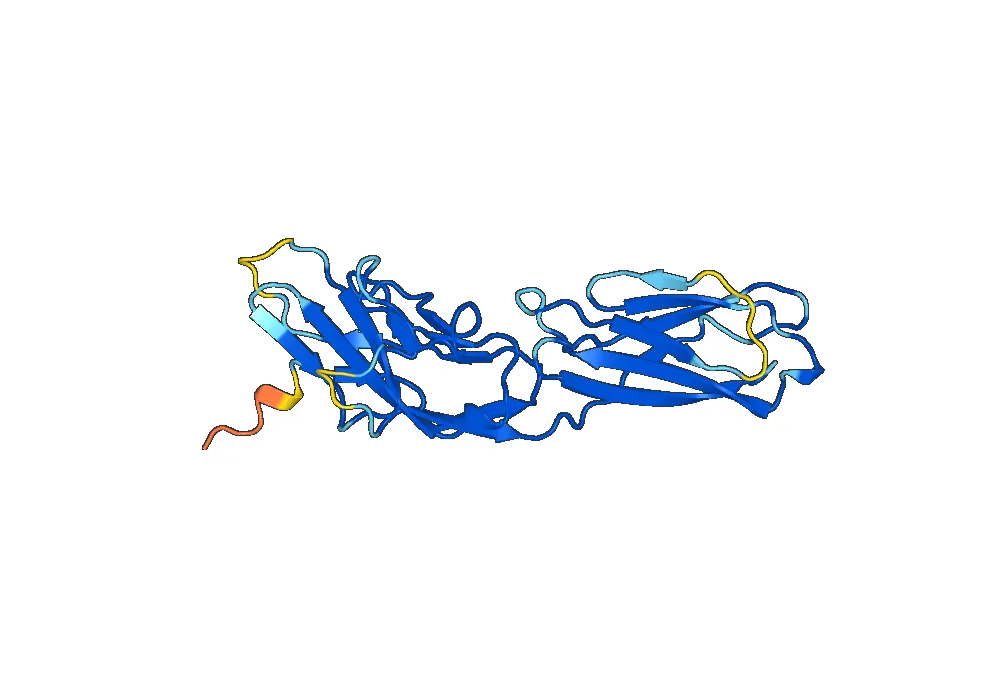
The TM4SF1 protein, also known as transmembrane 4 L six family member 1, is a member of the tetraspanin family of proteins. It is composed of four transmembrane domains, two extracellular loops, and two intracellular loops. TM4SF1 also contains a conserved CCG motif in its extracellular loop, which is important for its interaction with other proteins.
The TM4SF1 protein is highly expressed in various human tissues, including the liver, kidney, lung, and brain. It is also found on the surface of many cell types, including immune cells, endothelial cells, and cancer cells. The expression and localization of TM4SF1 can vary depending on the cell type and its physiological state.
Activity of TM4SF1
TM4SF1 has been shown to play a role in various cellular processes, including cell adhesion, migration, and proliferation. It is also involved in the regulation of immune responses and angiogenesis. The CCG motif in TM4SF1 is important for its interaction with other proteins, such as integrins and tetraspanins, which are involved in these cellular processes.
Studies have also shown that TM4SF1 can modulate the activity of other proteins, such as growth factor receptors and ion channels, through its interaction with them. This further highlights the importance of TM4SF1 in cellular signaling and its potential as a target for therapeutic intervention.
Potential as a Therapeutic Target
Given its involvement in various cellular processes, TM4SF1 has emerged as a potential therapeutic target for various diseases. For example, the overexpression of TM4SF1 has been linked to the progression of cancer, making it a potential target for cancer therapy. Inhibition of TM4SF1 has been shown to reduce tumor growth and metastasis in preclinical studies.
TM4SF1 has also been implicated in the development of fibrosis, a condition characterized by excessive scarring in tissues. Inhibition of TM4SF1 has been shown to reduce fibrosis in animal models, highlighting its potential as a target for treating fibrotic diseases.
Application of Human TM4SF1 HEK293T Stable Cell Line
The Human TM4SF1 HEK293T Stable Cell Line is a valuable tool for studying the structure and function of TM4SF1. It can be used to investigate the role of TM4SF1 in various cellular processes, such as cell adhesion, migration, and proliferation. It can also be used to study the interaction of TM4SF1 with other proteins and its potential as a therapeutic target.
The stable expression of TM4SF1 in this cell line allows for consistent and reliable results, making it an ideal model for studying the effects of TM4SF1 inhibition or overexpression. Additionally, this cell line can be used for drug screening and testing the efficacy of potential TM4SF1-targeted therapies.
Conclusion
The Human TM4SF1 HEK293T Stable Cell Line is a valuable tool for studying the structure, activity, and potential therapeutic applications of the TM4SF1 protein. Its stable expression of TM4SF1 allows for consistent and reliable results, making it an ideal model for studying the role of TM4SF1 in various cellular processes.

There are no reviews yet.