Structure of Human CD33 HEK293T Stable Cell Line
Human CD33 HEK293T Stable Cell Line is a genetically engineered cell line that expresses the human CD33 protein. The CD33 protein is a transmembrane receptor that belongs to the sialic acid-binding immunoglobulin-like lectin (SIGLEC) family. It is encoded by the CD33 gene and is primarily expressed on the surface of myeloid cells, including monocytes, macrophages, and dendritic cells.
The Human CD33 HEK293T Stable Cell Line is derived from HEK293T cells, which are a human embryonic kidney cell line that is commonly used in scientific research. These cells have been stably transfected with the CD33 gene, allowing for consistent and reliable expression of the CD33 protein.
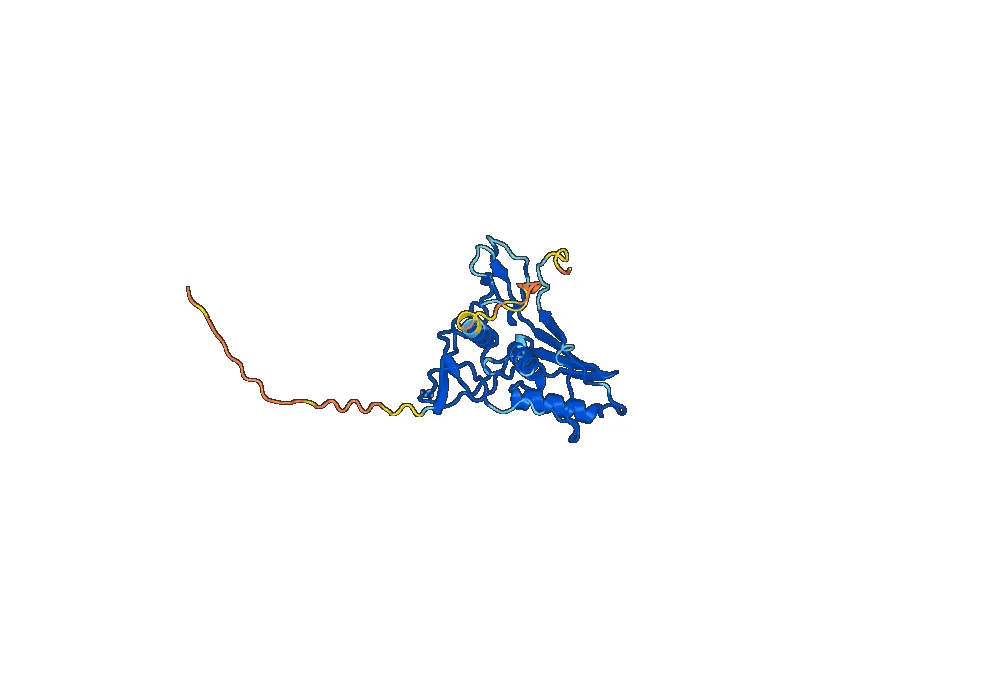
The CD33 protein has a complex structure, consisting of an extracellular domain, a transmembrane domain, and a cytoplasmic tail. The extracellular domain contains two immunoglobulin-like domains and a mucin-like domain, which is responsible for binding to sialic acid residues on other cells. The transmembrane domain anchors the protein to the cell membrane, while the cytoplasmic tail contains signaling motifs that are important for the protein’s function.
Activity of Human CD33 HEK293T Stable Cell Line
The primary function of the CD33 protein is to regulate immune responses. It acts as a negative regulator of immune cell activation, helping to prevent excessive inflammation and tissue damage. This is achieved through the protein’s ability to bind to sialic acid residues on other cells, which can inhibit the activation of immune cells.
In addition to its role in immune regulation, CD33 has also been implicated in the pathogenesis of several diseases. It is a known therapeutic target in acute myeloid leukemia (AML), a type of cancer that affects the blood and bone marrow. In AML, the CD33 protein is overexpressed on the surface of leukemic cells, making it a potential target for targeted therapies.
Furthermore, CD33 has also been linked to Alzheimer’s disease, with studies showing that the protein is involved in the clearance of amyloid-beta, a protein that forms plaques in the brain and is a hallmark of the disease. This suggests that targeting CD33 could potentially be a therapeutic approach for Alzheimer’s disease.
Application of Human CD33 HEK293T Stable Cell Line
The Human CD33 HEK293T Stable Cell Line has a wide range of applications in scientific research. Its stable expression of the CD33 protein makes it a valuable tool for studying the function of this protein in immune regulation and disease pathogenesis.
One of the main applications of this cell line is in drug discovery and development. As CD33 is a therapeutic target in AML, the Human CD33 HEK293T Stable Cell Line can be used to screen potential drugs and assess their effectiveness in targeting CD33-expressing cells. This can help in the development of new treatments for AML.
Additionally, this cell line can also be used in studies related to Alzheimer’s disease. By manipulating the expression of CD33 in these cells, researchers can gain a better understanding of its role in the clearance of amyloid-beta and potentially identify new targets for drug development.
Flow Cytometry Analysis of Human CD33 HEK293T Stable Cell Line
Flow cytometry is a powerful technique that is commonly used to analyze the expression of cell surface markers. As the Human CD33 HEK293T Stable Cell Line expresses the CD33 protein on its surface, it can be easily analyzed using flow cytometry.
Using specific antibodies against CD33, researchers can label the cells and then use a flow cytometer to measure the amount of CD33 expression on each cell. This allows for the quantification of CD33 expression levels and can be used to compare different cell populations or to assess the effects of experimental treatments on CD33 expression.

There are no reviews yet.