Introduction to Human CDH3/P-cadherin HEK293T Stable Cell Line
The Human CDH3/P-cadherin HEK293T Stable Cell Line is a valuable tool for studying the structure, activity, and potential therapeutic applications of the CDH3 gene. This cell line is derived from human embryonic kidney cells (HEK293T) that have been stably transfected with the CDH3 gene, which encodes for the P-cadherin protein. P-cadherin is a member of the cadherin family of cell adhesion molecules and is known to play a crucial role in cell-cell adhesion, migration, and signaling. In this article, we will explore the various features and applications of this stable cell line.
Structure of Human CDH3/P-cadherin HEK293T Stable Cell Line
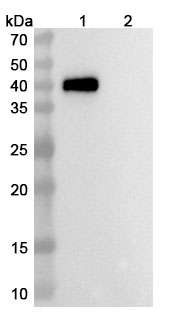
The Human CDH3/P-cadherin HEK293T Stable Cell Line is a genetically modified cell line that expresses high levels of P-cadherin protein on its cell surface. The HEK293T cells used for creating this stable cell line are a commonly used cell line in research due to their easy handling and high transfection efficiency. The CDH3 gene is stably integrated into the genome of these cells, ensuring a consistent expression of P-cadherin over multiple passages. The P-cadherin protein is a transmembrane glycoprotein with a molecular weight of approximately 120 kDa. It consists of five extracellular cadherin domains, a transmembrane domain, and a cytoplasmic domain.
Activity of Human CDH3/P-cadherin HEK293T Stable Cell Line
The primary function of P-cadherin is to mediate cell-cell adhesion through homophilic interactions with other P-cadherin molecules on adjacent cells. This adhesion is crucial for the maintenance of tissue integrity and organization during development and in adult tissues. The stable expression of P-cadherin in the HEK293T cells allows for the formation of stable cell-cell contacts, making it an excellent model for studying the mechanisms of cell adhesion and migration. Additionally, P-cadherin has been shown to play a role in regulating cell signaling pathways, including the Wnt/β-catenin pathway, which is essential for cell proliferation and differentiation.
Application of Human CDH3/P-cadherin HEK293T Stable Cell Line
The Human CDH3/P-cadherin HEK293T Stable Cell Line has a wide range of applications in scientific research. One of the primary uses of this cell line is in studying the role of P-cadherin in cancer. P-cadherin is overexpressed in several types of cancer, including breast, prostate, and colon cancer, and has been linked to increased tumor growth, invasion, and metastasis. The stable cell line can be used to investigate the mechanisms of P-cadherin-mediated cancer progression and to screen potential therapeutic agents that target P-cadherin.
Another application of this cell line is in drug discovery and development. P-cadherin has been identified as a potential therapeutic target for cancer treatment, and drugs that specifically inhibit its function are being developed. The Human CDH3/P-cadherin HEK293T Stable Cell Line can be used to test the efficacy and toxicity of these drugs, providing valuable insights into their potential clinical applications.
The stable cell line is also useful for studying the role of P-cadherin in tissue regeneration and wound healing. P-cadherin has been shown to play a crucial role in promoting cell migration and tissue repair, making it a potential target for regenerative medicine. The stable cell line can be used to investigate the mechanisms of P-cadherin-mediated tissue regeneration and to develop strategies for enhancing its regenerative potential.

There are no reviews yet.