Introduction
The Human CD324/CDH1 HEK293T Stable Cell Line is a valuable tool for researchers studying the role of the CD324/CDH1 protein in various biological processes. This stable cell line is derived from HEK293T cells, a commonly used cell line in biomedical research due to its ability to efficiently produce proteins and its high transfection efficiency. The stable expression of CD324/CDH1 in these cells allows for the study of its structure, activity, and potential therapeutic applications.
Structure of CD324/CDH1
CD324, also known as E-cadherin, is a transmembrane protein that belongs to the cadherin family of cell adhesion molecules. It is composed of five extracellular cadherin repeats, a transmembrane domain, and a cytoplasmic domain. The extracellular domain of CD324 plays a crucial role in cell-cell adhesion by binding to other cadherin molecules on adjacent cells, while the cytoplasmic domain interacts with various intracellular signaling molecules to regulate cell signaling pathways.
Activity of CD324/CDH1
CD324/CDH1 is primarily known for its role in maintaining the integrity and stability of epithelial tissues. It forms adherens junctions between adjacent cells, which are important for the mechanical strength of epithelial tissues. This protein also plays a crucial role in cell signaling, cell migration, and cell proliferation. Dysregulation of CD324/CDH1 has been linked to various diseases, including cancer, where it can promote tumor invasion and metastasis.
Application of Human CD324/CDH1 HEK293T Stable Cell Line
The Human CD324/CDH1 HEK293T Stable Cell Line has several applications in research, particularly in the study of CD324/CDH1 function and its potential as a therapeutic target.
Structure-function studies
Using this stable cell line, researchers can investigate the structure-function relationship of CD324/CDH1 by introducing mutations in specific regions of the protein and studying their effects on cell adhesion and signaling. This can provide valuable insights into the mechanisms of CD324/CDH1 function and its interactions with other proteins.
Flow cytometry analysis
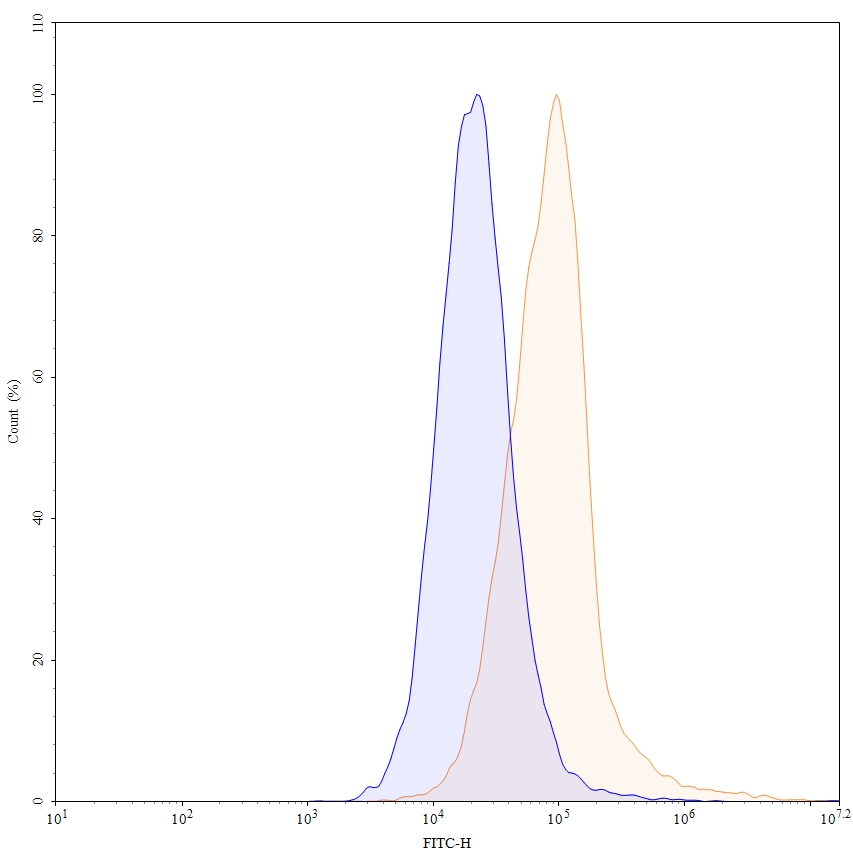
The stable expression of CD324/CDH1 in HEK293T cells allows for the use of flow cytometry to analyze the expression levels of this protein on the cell surface. This technique can be used to study the effects of various treatments or mutations on CD324/CDH1 expression, shedding light on its regulation and potential role in disease.
Therapeutic target for cancer
As mentioned earlier, dysregulation of CD324/CDH1 has been linked to cancer progression. Therefore, the Human CD324/CDH1 HEK293T Stable Cell Line can be used to study the potential of CD324/CDH1 as a therapeutic target for cancer. By manipulating its expression or function in these cells, researchers can evaluate its effects on tumor growth and metastasis, providing valuable information for the development of targeted cancer therapies.
Drug screening
The stable expression of CD324/CDH1 in HEK293T cells also makes this cell line a useful tool for drug screening. By introducing potential therapeutic compounds to these cells and studying their effects on CD324/CDH1 function, researchers can identify potential candidates for further development as cancer treatments.
Other applications
The Human CD324/CDH1 HEK293T Stable Cell Line can also be used in other research areas, such as tissue engineering and developmental biology, where the study of cell adhesion and signaling is crucial.


There are no reviews yet.