Introduction
The Human CD221/IGF1R HEK293T Stable Cell Line is a powerful tool for studying the structure, activity, and application of the human insulin-like growth factor 1 receptor (IGF1R). This stable cell line is derived from the HEK293T cell line, a popular and well-characterized human embryonic kidney cell line. The stable expression of CD221/IGF1R in these cells allows for the study of this important receptor in a controlled and reproducible environment. In this article, we will explore the structure, activity, and potential applications of the Human CD221/IGF1R HEK293T Stable Cell Line.
Structure of CD221/IGF1R
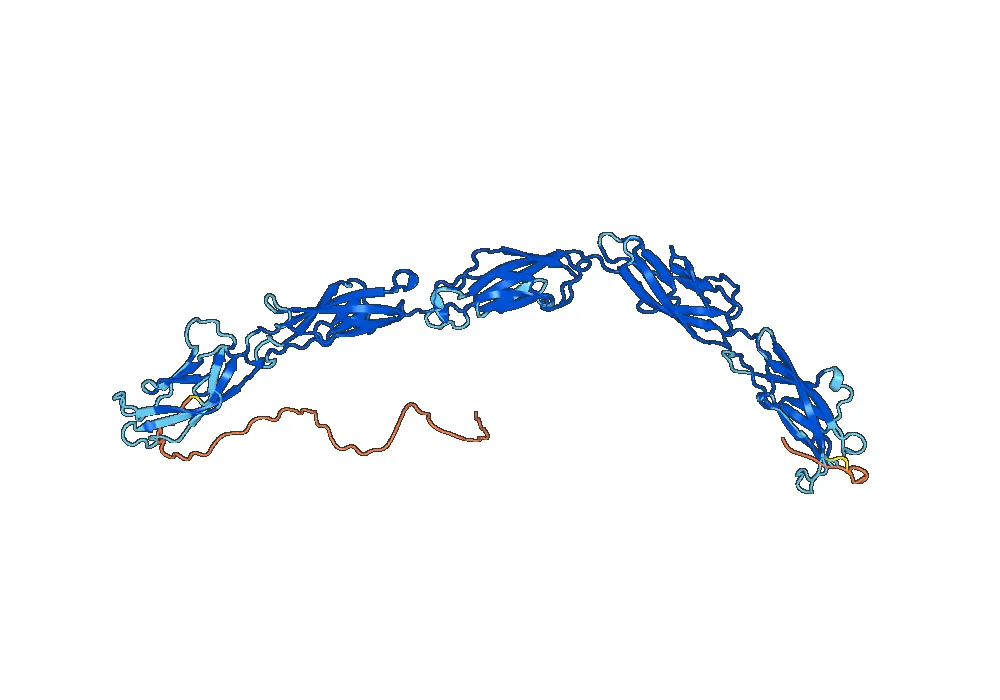
The insulin-like growth factor 1 receptor (IGF1R) is a transmembrane receptor that is activated by the binding of insulin-like growth factor 1 (IGF1). It is composed of two alpha and two beta subunits, which are linked by disulfide bonds. The alpha subunits are located on the extracellular side of the membrane, while the beta subunits span the membrane and contain the intracellular signaling domain. The CD221/IGF1R stable cell line expresses both the alpha and beta subunits, making it an ideal system for studying the structure and function of this receptor.
Activity of CD221/IGF1R
The IGF1R is a key regulator of cell growth, differentiation, and survival. Upon binding of IGF1, the receptor undergoes a conformational change and activates its intracellular signaling pathway. This results in the activation of multiple downstream signaling cascades, including the PI3K/AKT and Ras/MAPK pathways, which are critical for cell proliferation and survival. The stable expression of CD221/IGF1R in the HEK293T cell line allows for the study of these signaling pathways in a controlled and reproducible manner. Additionally, the activity of CD221/IGF1R can be modulated by the addition of IGF1 or other ligands, making this cell line a valuable tool for investigating the regulation of this important receptor.
Application of CD221/IGF1R Stable Cell Line
The Human CD221/IGF1R HEK293T Stable Cell Line has a wide range of potential applications in both basic and translational research. One major application is the study of the role of IGF1R in cancer. The IGF1R signaling pathway is frequently dysregulated in cancer, and the stable expression of CD221/IGF1R in HEK293T cells allows for the investigation of the effects of this dysregulation on cell growth, survival, and metastasis. Additionally, this cell line can be used to screen for potential therapeutic agents that target the IGF1R pathway.
Another potential application of the CD221/IGF1R stable cell line is in drug discovery and development. The IGF1R signaling pathway has been implicated in a variety of diseases, including diabetes, cardiovascular disease, and neurodegenerative disorders. The stable expression of CD221/IGF1R in HEK293T cells can be used to screen for potential therapeutic agents that target this pathway, providing a valuable tool for drug discovery and development.
Flow Cytometry Analysis
Flow cytometry is a powerful technique that allows for the analysis of individual cells based on their physical and chemical properties. The Human CD221/IGF1R HEK293T Stable Cell Line can be easily analyzed using flow cytometry to assess the expression of CD221/IGF1R on the cell surface. This can provide valuable information about the level of receptor expression and its potential role in various cellular processes. Additionally, flow cytometry can be used to study the effects of ligand binding on CD221/IGF1R activation and downstream signaling.

There are no reviews yet.