Introduction
The Human CD64/FCGR1A HEK293T Stable Cell Line is a valuable tool for studying the structure, activity, and applications of the human CD64/FCGR1A protein. This stable cell line is derived from human embryonic kidney (HEK293T) cells and has been genetically modified to stably express the CD64/FCGR1A protein. In this article, we will discuss the structure, activity, and potential applications of this cell line, with a focus on its use as a therapeutic target.
Structure of Human CD64/FCGR1A Protein
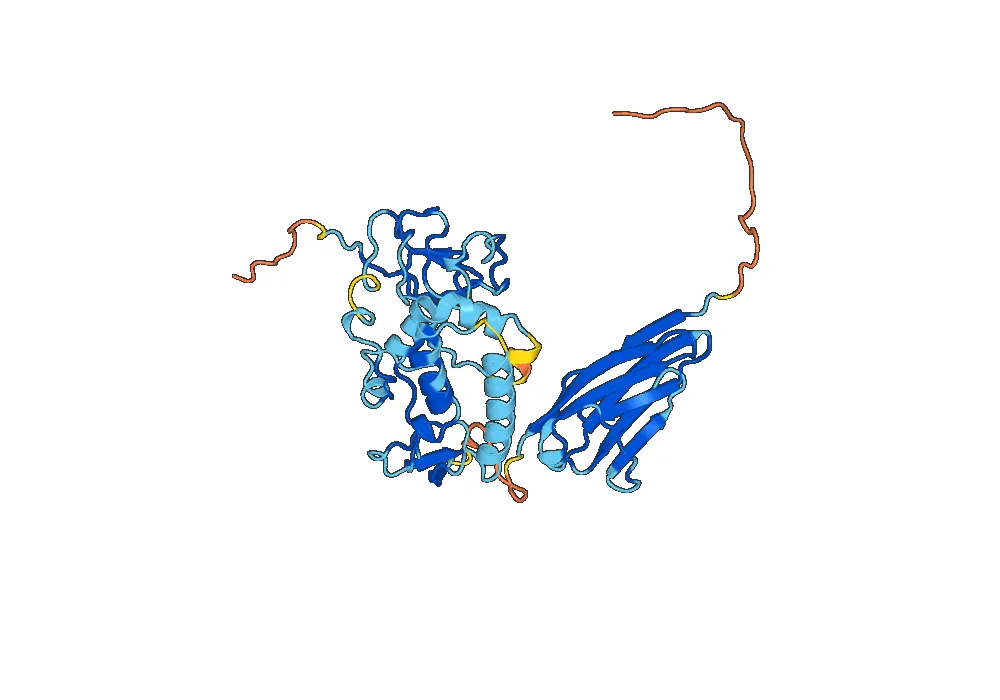
The CD64/FCGR1A protein is a member of the Fc gamma receptor (FcγR) family, which plays a crucial role in the immune response by mediating the binding and uptake of immunoglobulin G (IgG) antibodies. The human CD64/FCGR1A protein is composed of 335 amino acids and has a molecular weight of approximately 37 kDa. It is a type I transmembrane glycoprotein with a single extracellular immunoglobulin-like domain, a transmembrane domain, and a short cytoplasmic tail.
Activity of Human CD64/FCGR1A Protein
The CD64/FCGR1A protein is primarily expressed on the surface of monocytes, macrophages, and dendritic cells, where it functions as a high-affinity receptor for the Fc portion of IgG antibodies. Upon binding to IgG, the CD64/FCGR1A protein triggers a series of signaling events that lead to phagocytosis, antibody-dependent cellular cytotoxicity (ADCC), and the release of inflammatory cytokines. This activity is essential for the clearance of pathogens and immune complexes, as well as the initiation of an immune response.
Applications of Human CD64/FCGR1A HEK293T Stable Cell Line
The Human CD64/FCGR1A HEK293T Stable Cell Line has a wide range of applications in both basic research and drug discovery. Here are some of the most common applications of this cell line:
1. Flow Cytometry
The stable expression of CD64/FCGR1A in this cell line allows for the easy detection and quantification of this protein by flow cytometry. This technique can be used to study the expression levels of CD64/FCGR1A on different cell types, as well as its regulation under different physiological and pathological conditions.
2. Antibody Screening
The CD64/FCGR1A protein is a potential therapeutic target for a variety of diseases, including autoimmune disorders and cancer. The Human CD64/FCGR1A HEK293T Stable Cell Line can be used for antibody screening to identify novel therapeutic antibodies that can bind to and modulate the activity of CD64/FCGR1A.
3. Drug Development
In addition to antibody screening, this cell line can also be used for drug development targeting CD64/FCGR1A. By studying the effects of different compounds on the activity of CD64/FCGR1A, researchers can identify potential drug candidates for the treatment of diseases involving this protein.
4. Disease Modeling
The Human CD64/FCGR1A HEK293T Stable Cell Line can also be used to model diseases involving aberrant CD64/FCGR1A activity. By introducing disease-specific mutations into the CD64/FCGR1A gene, researchers can study the effects of these mutations on the function of the protein and potentially identify new therapeutic targets.
5. Immunotherapy
The CD64/FCGR1A protein is a promising target for immunotherapy, particularly in the treatment of cancer.

There are no reviews yet.