Introduction
The Human CD16a/FCGR3A HEK293T Stable Cell Line is a valuable tool for studying the structure, activity, and potential applications of the human CD16a protein. This stable cell line is derived from HEK293T cells, a human embryonic kidney cell line that is commonly used in biotechnology and biomedical research. The stable expression of CD16a in these cells allows for the production of a large amount of this protein, making it an ideal tool for various scientific applications.
Structure of CD16a
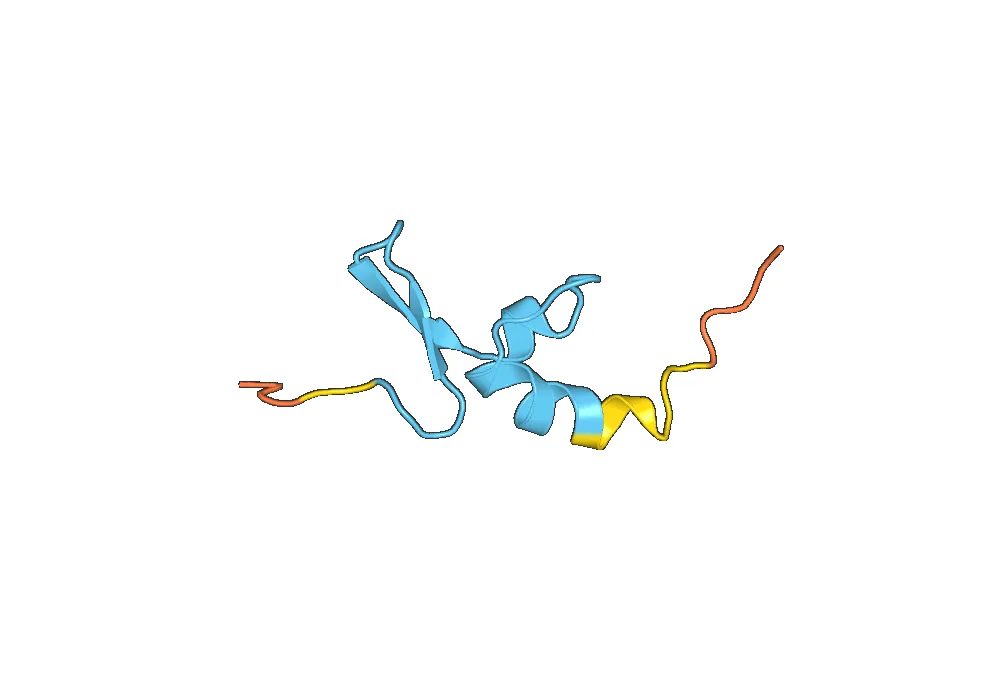
CD16a, also known as Fc gamma receptor IIIa (FCGR3A), is a transmembrane protein that belongs to the immunoglobulin superfamily. It is primarily expressed on the surface of natural killer (NK) cells, monocytes, and macrophages, and plays a crucial role in the immune response. The CD16a protein consists of two extracellular immunoglobulin-like domains, a transmembrane domain, and a short cytoplasmic tail. The extracellular domains are responsible for binding to the Fc region of immunoglobulin G (IgG) antibodies, while the cytoplasmic tail is involved in signal transduction.
Activity of CD16a
The main function of CD16a is to mediate antibody-dependent cell-mediated cytotoxicity (ADCC), a process by which immune cells kill target cells that are coated with antibodies. When an antibody binds to its specific antigen on the surface of a target cell, the Fc region of the antibody binds to CD16a on NK cells, monocytes, or macrophages. This triggers a series of signaling events that ultimately lead to the killing of the target cell. CD16a is also involved in phagocytosis, the process by which immune cells engulf and destroy foreign particles or cells.
Applications of CD16a
The Human CD16a/FCGR3A HEK293T Stable Cell Line has numerous potential applications in the field of immunology and biotechnology. One of the most common uses of this cell line is in flow cytometry, a technique used to analyze and sort cells based on their physical and chemical properties. The stable expression of CD16a in these cells allows for the identification and isolation of immune cells that express this protein, making it a valuable tool for studying their function and behavior.
CD16a is also a potential therapeutic target for various diseases, particularly cancer. ADCC, mediated by CD16a, has been shown to play a crucial role in the immune response against tumor cells. Therefore, the Human CD16a/FCGR3A HEK293T Stable Cell Line can be used to study the mechanisms of ADCC and develop novel treatments that enhance this process. Additionally, this cell line can be used to screen potential therapeutic antibodies for their ability to bind to CD16a and induce ADCC.
Conclusion
In summary, the Human CD16a/FCGR3A HEK293T Stable Cell Line is a valuable tool for studying the structure, activity, and applications of CD16a. Its stable expression of this protein allows for the production of a large amount of CD16a, making it an ideal tool for various scientific applications. This cell line has the potential to advance our understanding of the immune response and aid in the development of novel treatments for diseases such as cancer.

There are no reviews yet.