Introduction
The Human CD114/CSF3R HEK293T Stable Cell Line is a valuable tool for studying the structure, activity, and potential therapeutic applications of the human Colony Stimulating Factor 3 Receptor (CSF3R). This stable cell line is derived from human embryonic kidney cells (HEK293T) and has been genetically engineered to stably express the human CD114/CSF3R protein. In this article, we will explore the structure and function of CD114/CSF3R, as well as the potential applications of this stable cell line in research and drug discovery.
Structure of CD114/CSF3R
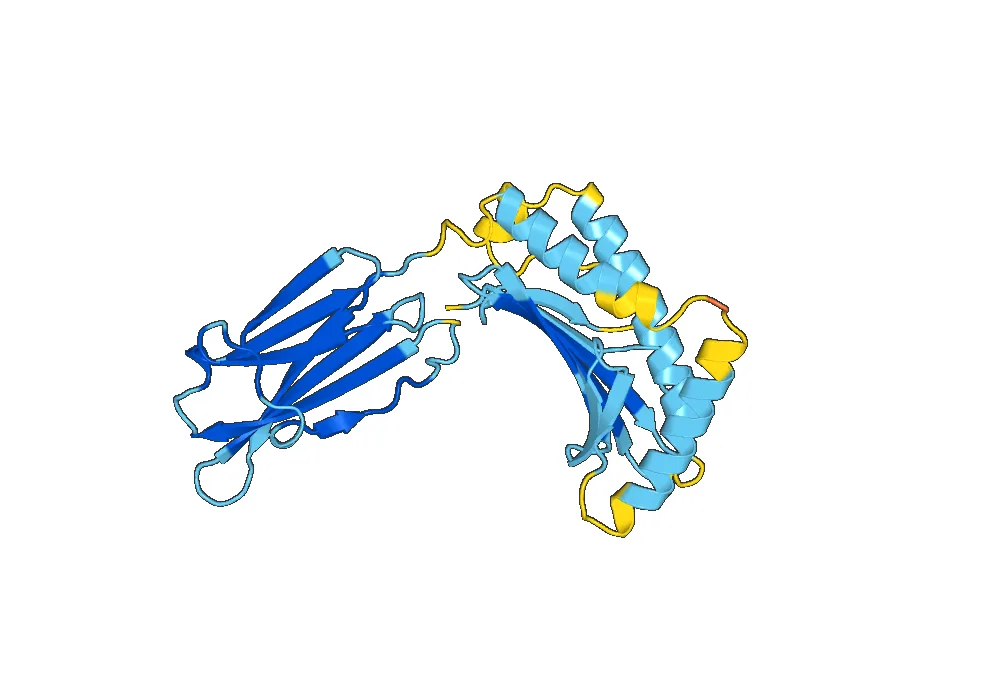
The CSF3R gene encodes for the Colony Stimulating Factor 3 Receptor, also known as the granulocyte colony-stimulating factor receptor (G-CSFR). This receptor is a type I transmembrane protein that belongs to the cytokine receptor superfamily. It is composed of an extracellular domain, a transmembrane domain, and an intracellular domain. The extracellular domain contains the ligand binding site, while the intracellular domain is responsible for signal transduction.
The extracellular domain of CD114/CSF3R is composed of five immunoglobulin-like domains (D1-D5) and a cytokine receptor homology domain (CRH). The CRH domain is important for receptor dimerization and activation. The intracellular domain contains a conserved Box 1 motif, which is essential for signal transduction via the JAK/STAT pathway.
Activity of CD114/CSF3R
The primary function of CD114/CSF3R is to bind to its ligand, granulocyte colony-stimulating factor (G-CSF). G-CSF is a cytokine that plays a critical role in the production and differentiation of neutrophils, a type of white blood cell that is essential for immune defense against infection. Binding of G-CSF to CD114/CSF3R leads to receptor dimerization and activation of downstream signaling pathways, including the JAK/STAT, PI3K/AKT, and MAPK pathways.
The activation of CD114/CSF3R results in the proliferation, differentiation, and survival of neutrophil progenitor cells. It also enhances the function of mature neutrophils, including chemotaxis, phagocytosis, and production of reactive oxygen species. Dysregulation of CD114/CSF3R activity has been linked to various hematological disorders, including severe congenital neutropenia and acute myeloid leukemia.
Application of Human CD114/CSF3R HEK293T Stable Cell Line
The Human CD114/CSF3R HEK293T Stable Cell Line offers a valuable tool for studying the function of CD114/CSF3R and its potential as a therapeutic target. This stable cell line can be used for various applications, including:
1. Flow Cytometry
The stable expression of CD114/CSF3R in HEK293T cells allows for the isolation and purification of this receptor for flow cytometric analysis. This technique can be used to study the expression levels of CD114/CSF3R on different cell types and to assess the binding of G-CSF to the receptor.
2. Drug Screening
The Human CD114/CSF3R HEK293T Stable Cell Line can be used for drug screening and target validation studies. By testing the effects of potential therapeutic compounds on CD114/CSF3R activity, this stable cell line can aid in the identification of novel drugs for the treatment of hematological disorders.
3.

There are no reviews yet.