Introduction to Glofitamab Biosimilar – Anti-CD3E, MS4A1 mAb
Glofitamab Biosimilar – Anti-CD3E, MS4A1 mAb is a novel biosimilar antibody that targets the CD3E and MS4A1 proteins. This antibody has shown promising results in preclinical studies and is currently being evaluated in clinical trials for the treatment of various diseases. In this article, we will discuss the structure, activity, and potential applications of Glofitamab Biosimilar – Anti-CD3E, MS4A1 mAb in detail.
Structure of Glofitamab Biosimilar – Anti-CD3E, MS4A1 mAb
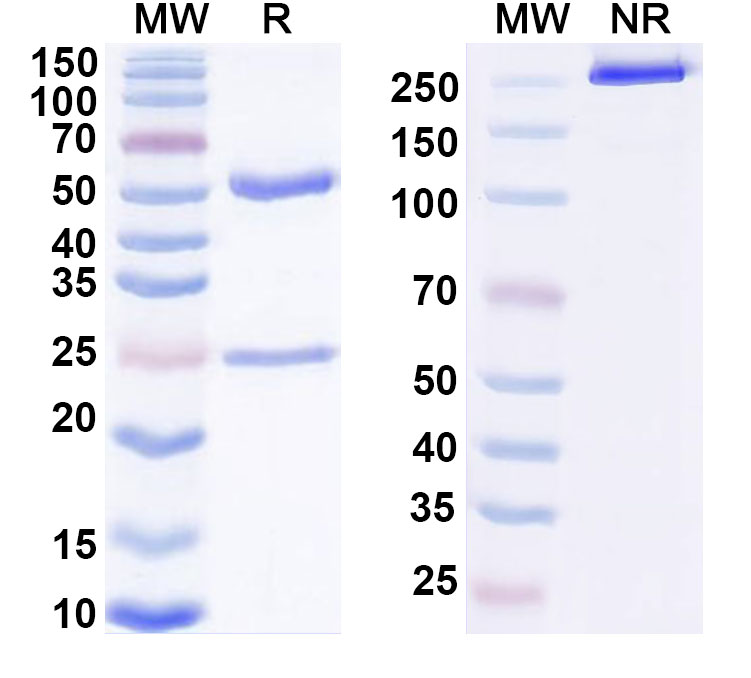
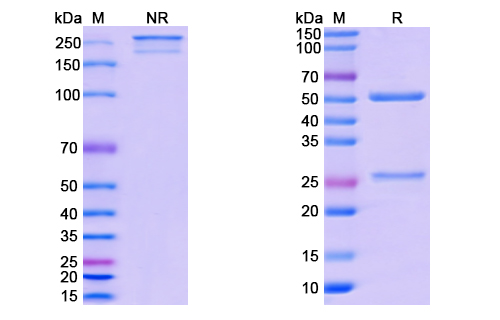
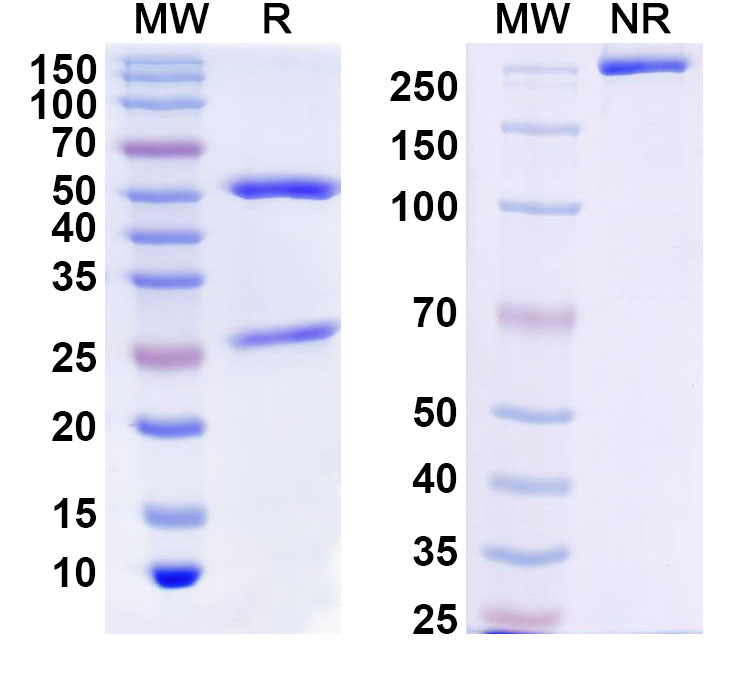
Glofitamab Biosimilar – Anti-CD3E, MS4A1 mAb is a monoclonal antibody that is designed to mimic the structure and function of the original antibody, which targets CD3E and MS4A1 proteins. It is composed of two heavy chains and two light chains, which are connected by disulfide bonds. The heavy chains are further divided into four constant domains (CH1, CH2, CH3, and CH4) and one variable domain (VH), while the light chains consist of one constant domain (CL) and one variable domain (VL). The variable domains are responsible for binding to the target proteins, while the constant domains provide stability and effector functions.
Activity of Glofitamab Biosimilar – Anti-CD3E, MS4A1 mAb
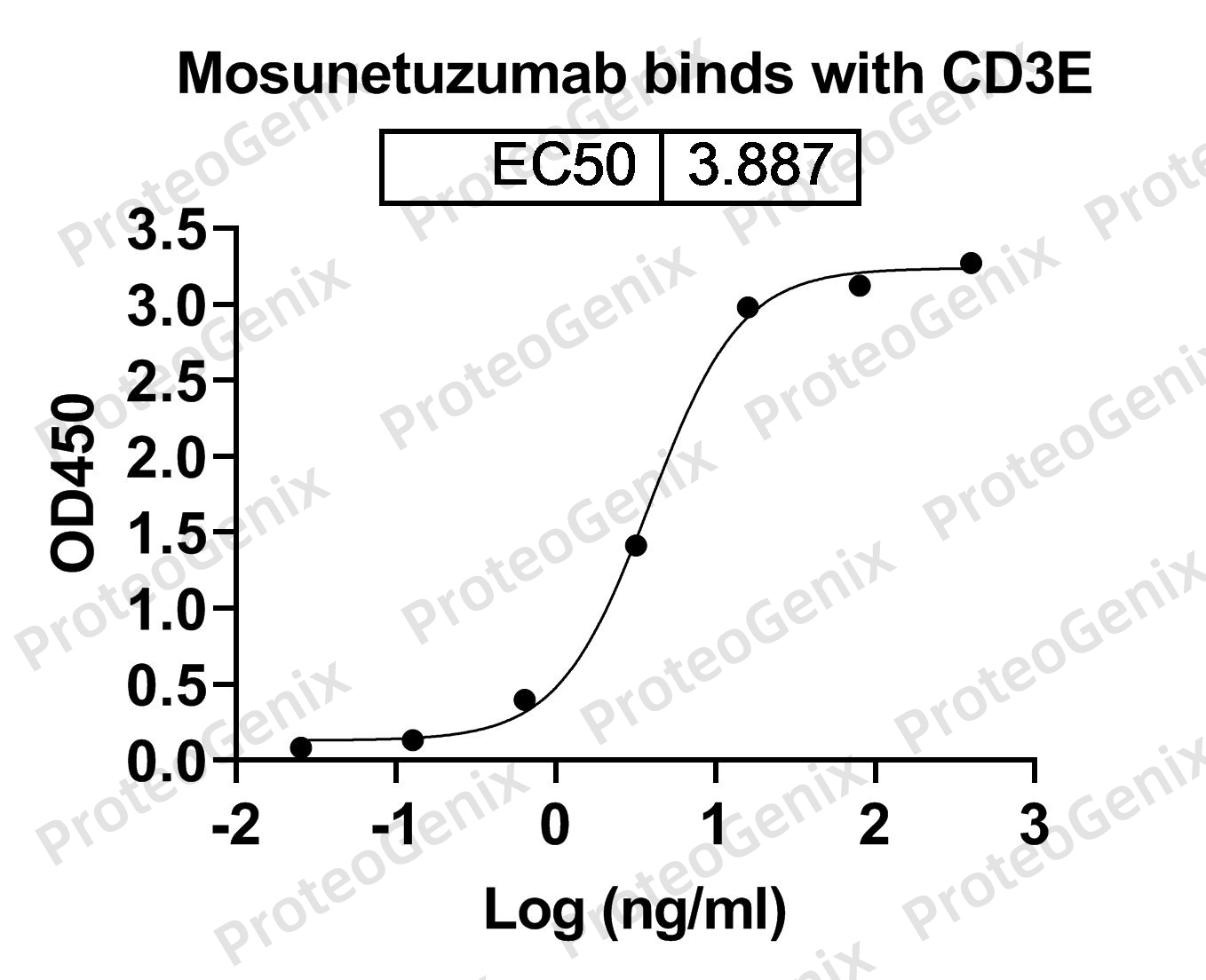
Glofitamab Biosimilar – Anti-CD3E, MS4A1 mAb has a dual mechanism of action, which makes it a promising therapeutic candidate. Firstly, it binds to CD3E, a protein that is expressed on the surface of T cells, leading to T cell activation and proliferation. This results in the destruction of target cells, such as cancer cells, by the activated T cells. Secondly, it binds to MS4A1, a protein that is expressed on the surface of B cells, leading to their depletion. This is particularly beneficial in diseases where B cells play a pathogenic role, such as autoimmune diseases.
Potential Applications of Glofitamab Biosimilar – Anti-CD3E, MS4A1 mAb
Glofitamab Biosimilar – Anti-CD3E, MS4A1 mAb has shown promising results in preclinical studies and is currently being evaluated in clinical trials for the treatment of various diseases. Some of the potential applications of this antibody are:
1.
Cancer: CD3E is overexpressed on the surface of many types of cancer cells, making it an attractive target for cancer therapy. Glofitamab Biosimilar – Anti-CD3E, MS4A1 mAb has shown promising results in preclinical studies for the treatment of various types of cancer, including lymphoma, leukemia, and solid tumors.
2. Autoimmune diseases: MS4A1 is involved in the activation and survival of B cells, which play a pathogenic role in many autoimmune diseases. Glofitamab Biosimilar – Anti-CD3E, MS4A1 mAb has shown potential in preclinical studies for the treatment of autoimmune diseases such as rheumatoid arthritis, multiple sclerosis, and lupus.
3. Organ transplantation: CD3E is also expressed on the surface of T cells that are involved in organ rejection in transplant patients. Glofitamab Biosimilar – Anti-CD3E, MS4A1 mAb has the potential to prevent organ rejection by depleting these T cells.
Conclusion
Glofitamab Biosimilar – Anti-CD3E, MS4A1 mAb is a novel biosimilar antibody with a dual mechanism of action. It has shown promising results in preclinical studies and is currently being evaluated in clinical trials for the treatment of various diseases, including cancer, autoimmune diseases, and organ transplantation. Its unique structure and activity make it a promising therapeutic candidate, and further studies are needed to fully explore its potential applications.


There are no reviews yet.