Introduction
Frexalimab Biosimilar, also known as Anti-CD40LG mAb, is a monoclonal antibody that has been developed as a potential therapeutic agent for various diseases. In this article, we will discuss the structure, activity, and potential applications of Frexalimab Biosimilar in detail.
Structure of Frexalimab Biosimilar
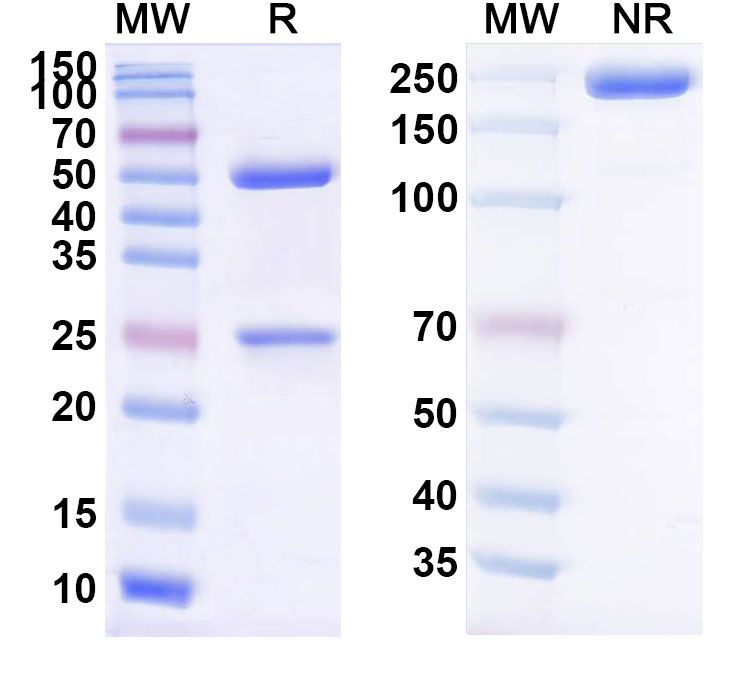
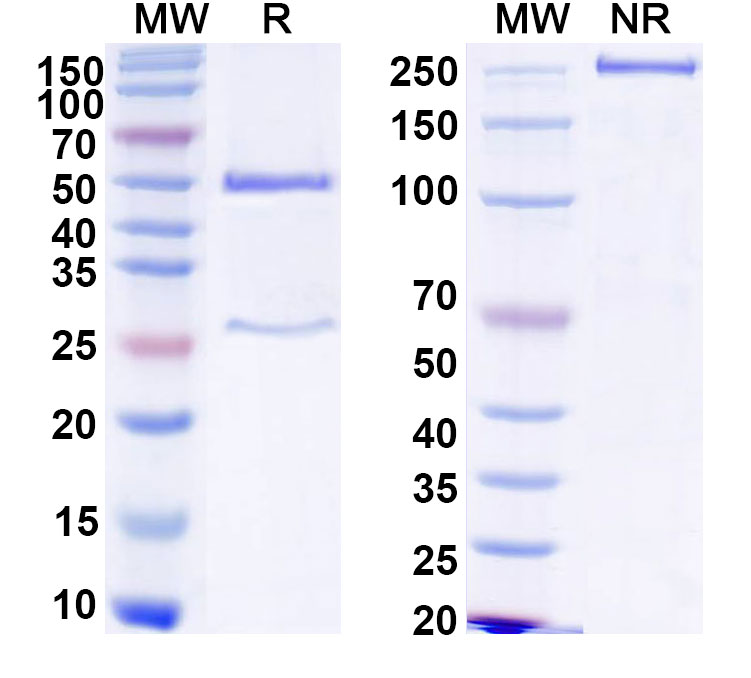
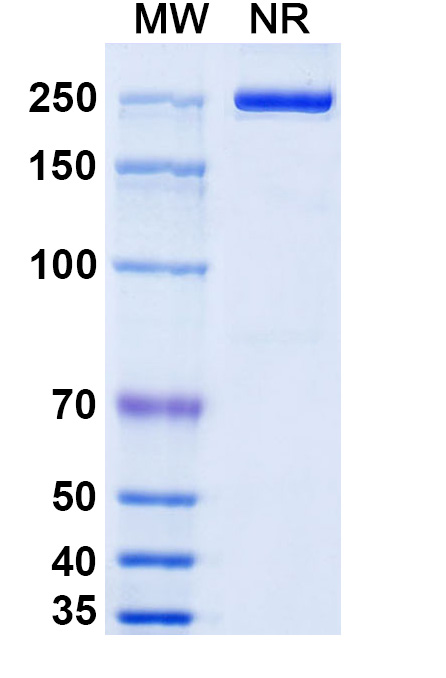
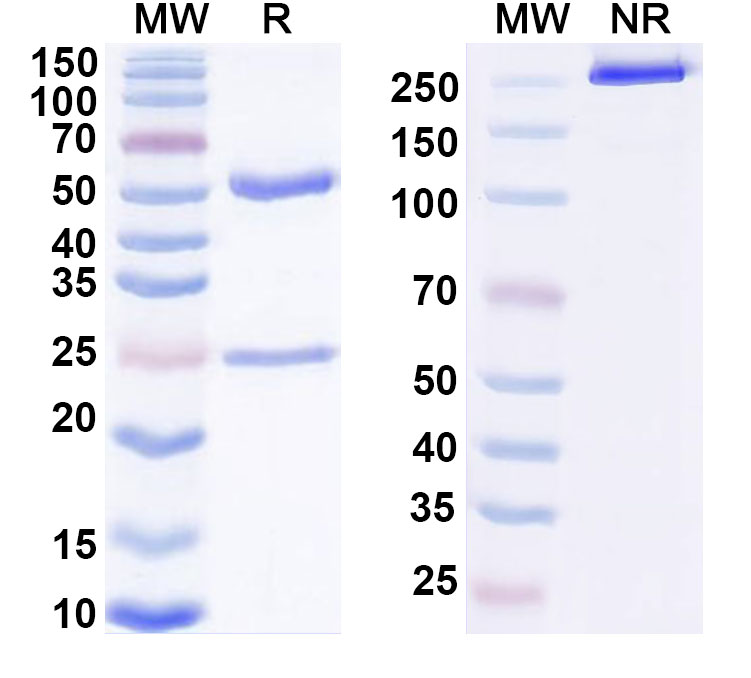
Frexalimab Biosimilar is a fully humanized monoclonal antibody that specifically targets CD40 ligand (CD40LG). It is composed of two heavy chains and two light chains, which are connected by disulfide bonds. The antibody has a molecular weight of approximately 150 kDa.
The heavy chains of Frexalimab Biosimilar consist of four constant regions (CH1, CH2, CH3, and CH4) and one variable region (VH). The light chains have one constant region (CL) and one variable region (VL). The variable regions are responsible for binding to the CD40LG molecule.
Activity of Frexalimab Biosimilar
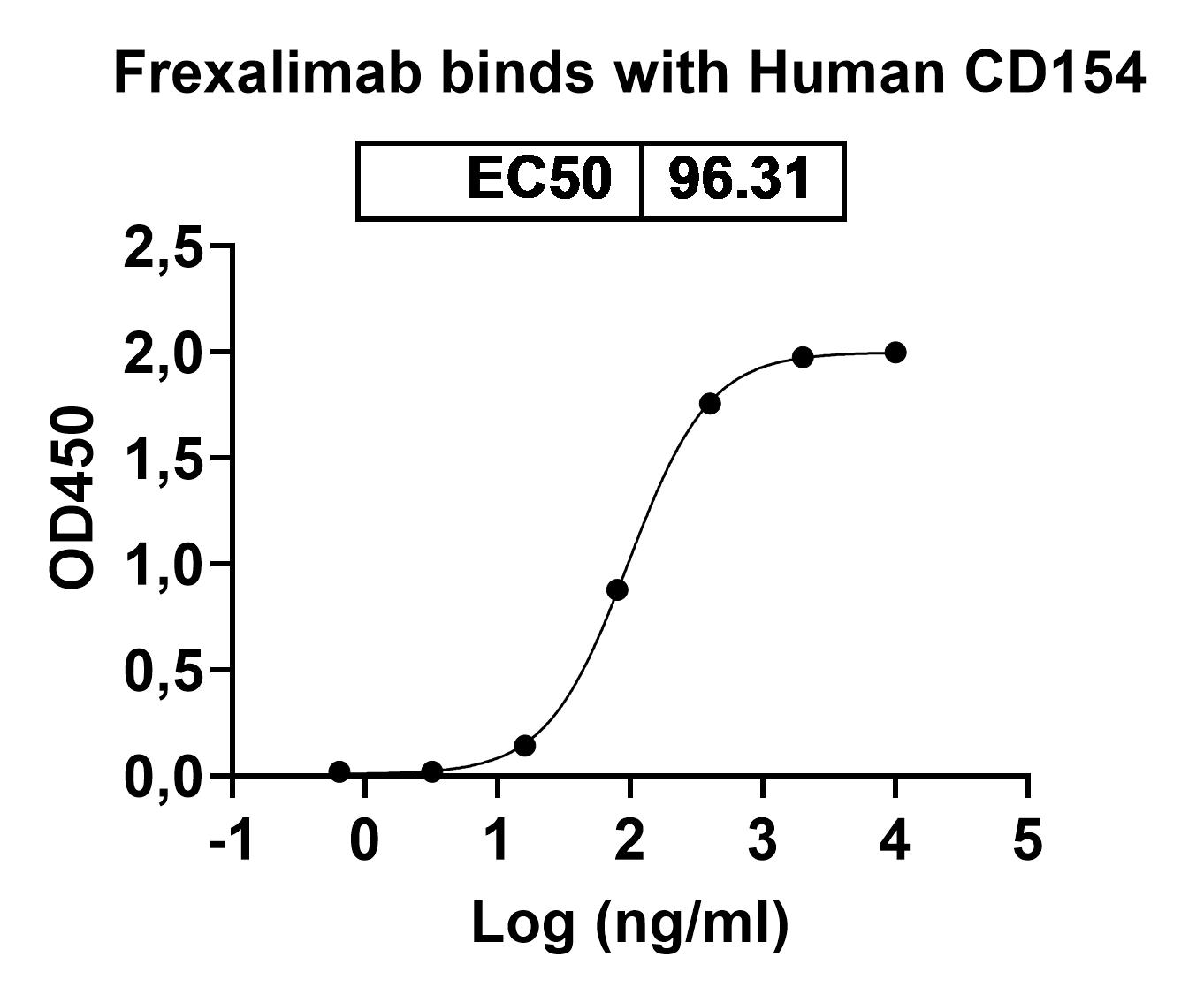
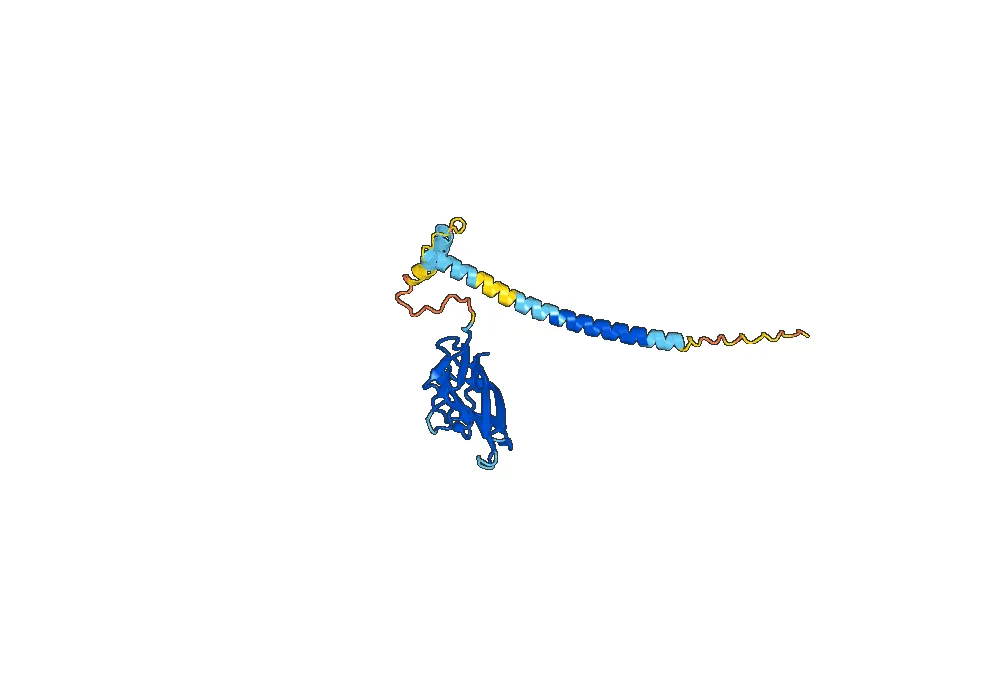
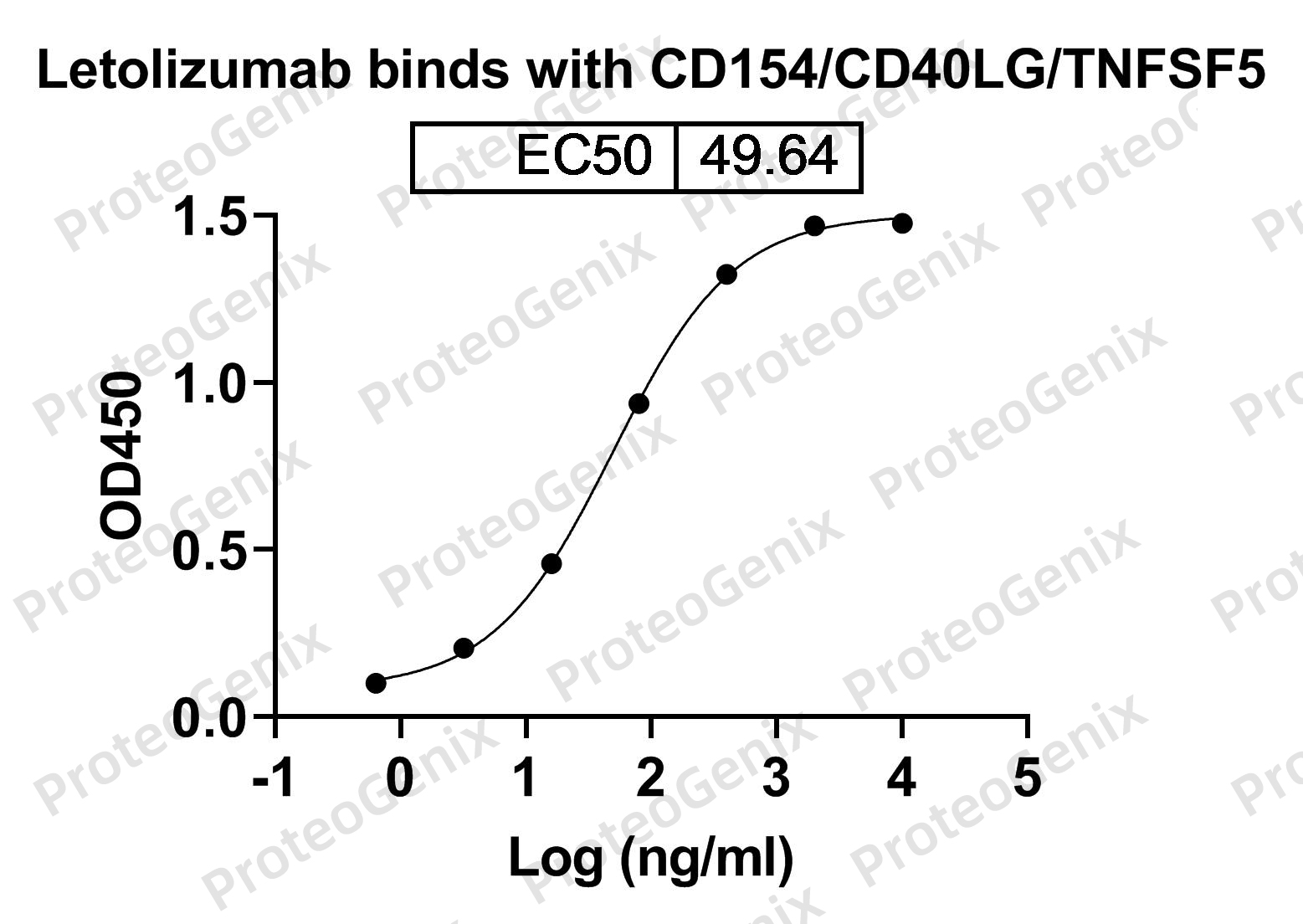
Frexalimab Biosimilar exerts its activity by binding to CD40LG, a transmembrane protein that is expressed on various immune cells, including B cells, T cells, and dendritic cells. CD40LG plays a crucial role in the activation and differentiation of these immune cells.
By binding to CD40LG, Frexalimab Biosimilar blocks its interaction with its receptor, CD40. This prevents the activation of immune cells and reduces the production of pro-inflammatory cytokines, such as interleukin-6 (IL-6) and tumor necrosis factor-alpha (TNF-α). This leads to the suppression of immune responses, making Frexalimab Biosimilar a potential therapeutic agent for autoimmune diseases and inflammatory conditions.
Applications of Frexalimab Biosimilar
Frexalimab Biosimilar has shown promising results in preclinical studies as a potential treatment for various diseases. Some of the potential applications of this antibody are discussed below.
Autoimmune Diseases
Autoimmune diseases, such as rheumatoid arthritis, systemic lupus erythematosus, and multiple sclerosis, are characterized by an overactive immune response. Frexalimab Biosimilar has shown efficacy in preclinical studies as a potential treatment for these diseases by inhibiting the activation of immune cells and reducing the production of pro-inflammatory cytokines.
Inflammatory Bowel Disease
Inflammatory bowel disease (IBD), including Crohn’s disease and ulcerative colitis, is a chronic inflammatory condition of the digestive tract. Frexalimab Biosimilar has shown potential as a therapeutic agent for IBD by inhibiting the production of pro-inflammatory cytokines and reducing the infiltration of immune cells into the inflamed intestinal tissue.
Organ Transplantation
Organ transplantation is often accompanied by complications, such as rejection and graft-versus-host disease (GVHD). Frexalimab Biosimilar has shown potential in preclinical studies as a potential treatment for these complications by suppressing immune responses and preventing tissue damage.
Cancer
CD40LG has been found to play a role in the growth and survival of certain types of cancer cells. Frexalimab Biosimilar has shown potential as a therapeutic agent for cancer by inhibiting the interaction between CD40LG and its receptor, which can lead to the death of cancer cells.
Conclusion
In conclusion, Frexalimab Biosimilar is a promising monoclonal antibody that targets CD40LG and has shown potential as a therapeutic agent for various diseases. Its unique mechanism of action makes it a potential treatment option for autoimmune diseases, inflammatory conditions, organ transplantation, and cancer. Further clinical studies are needed to fully evaluate the efficacy and safety of this antibody in humans.
There are no reviews yet.