The Structure of Farletuzumab Biosimilar – Anti-FOLR1 mAb
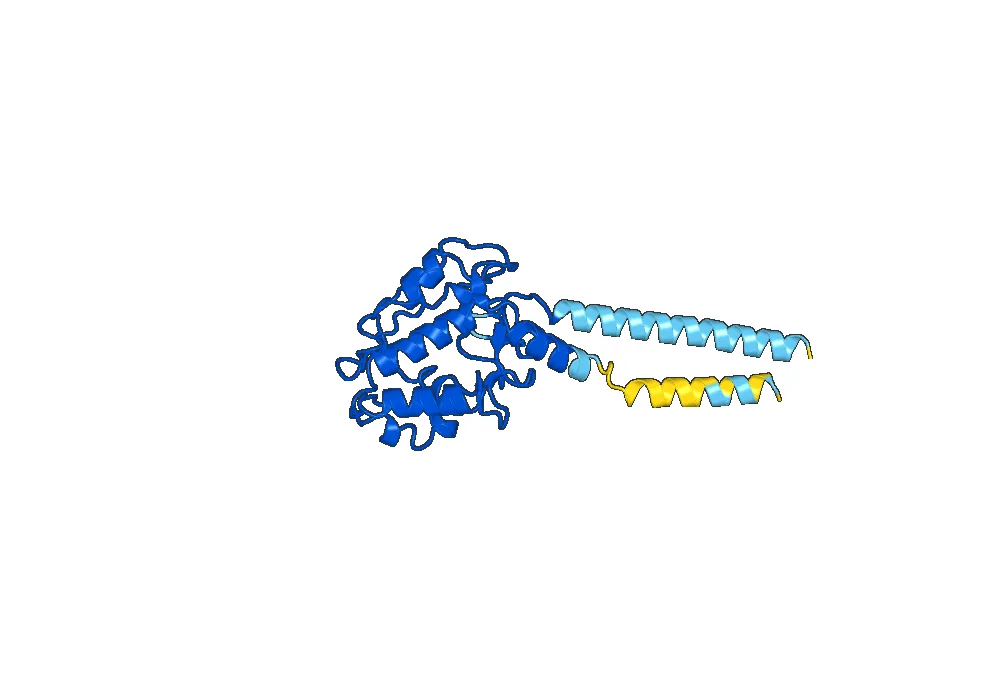
Farletuzumab Biosimilar, also known as Anti-FOLR1 monoclonal antibody (mAb), is a therapeutic antibody that specifically targets the folate receptor alpha (FOLR1) protein. It is a biosimilar version of the original Farletuzumab, which has been developed to have the same structure and function as the original antibody.
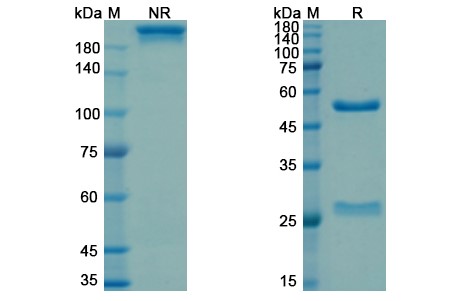
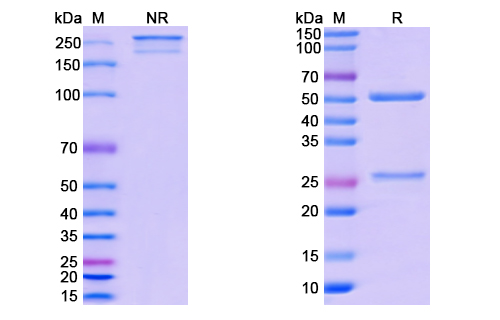
The structure of Farletuzumab Biosimilar is similar to other monoclonal antibodies, consisting of two heavy chains and two light chains that are connected by disulfide bonds. The heavy chains are around 50 kDa in size and the light chains are around 25 kDa, resulting in a total molecular weight of approximately 150 kDa.
The variable regions of the heavy and light chains are responsible for the specificity of Farletuzumab Biosimilar, as they contain the antigen-binding sites that recognize and bind to the FOLR1 protein. The constant regions of the antibody are responsible for mediating the effector functions, such as antibody-dependent cell-mediated cytotoxicity (ADCC) and complement-dependent cytotoxicity (CDC).
The Activity of Farletuzumab Biosimilar – Anti-FOLR1 mAb
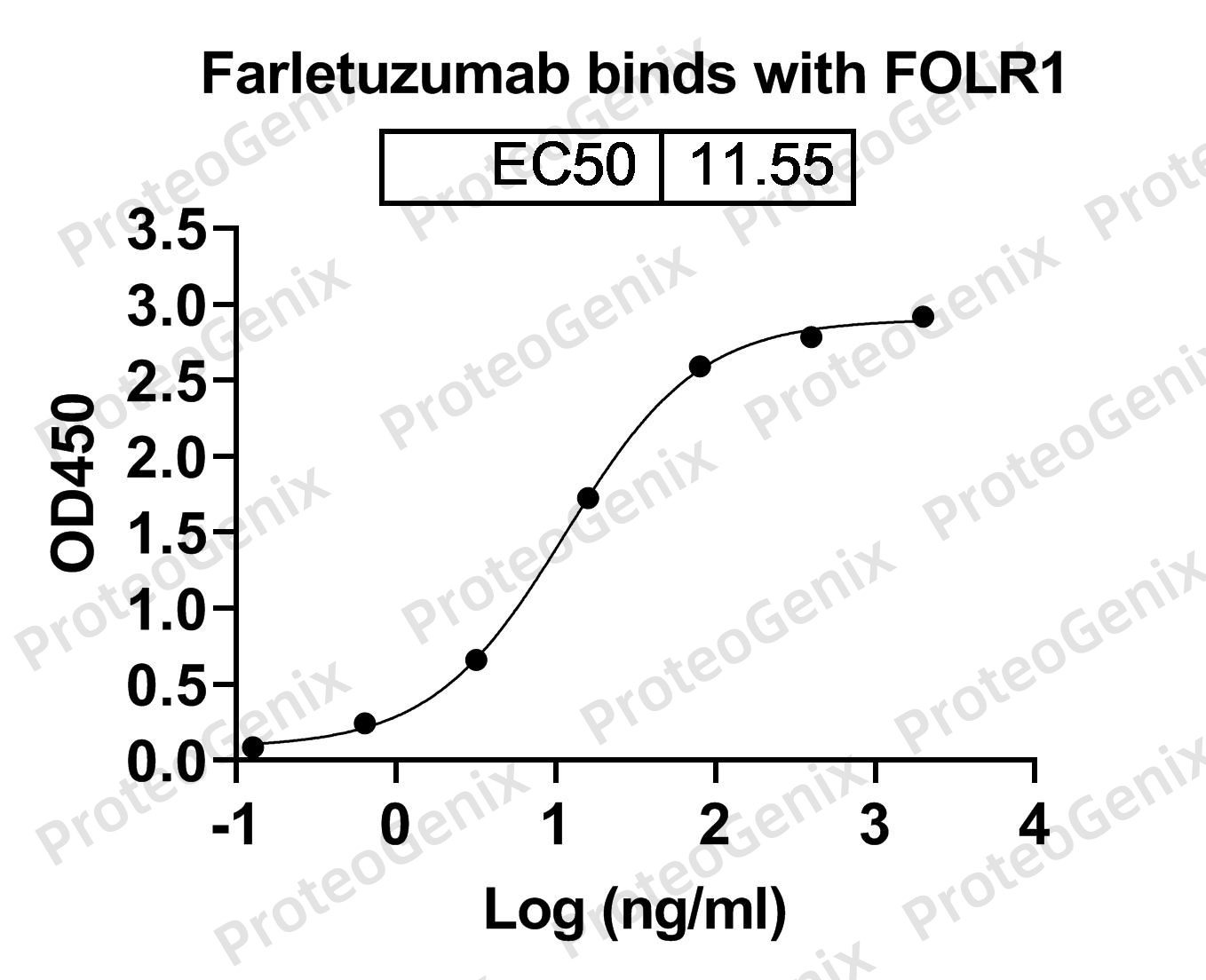
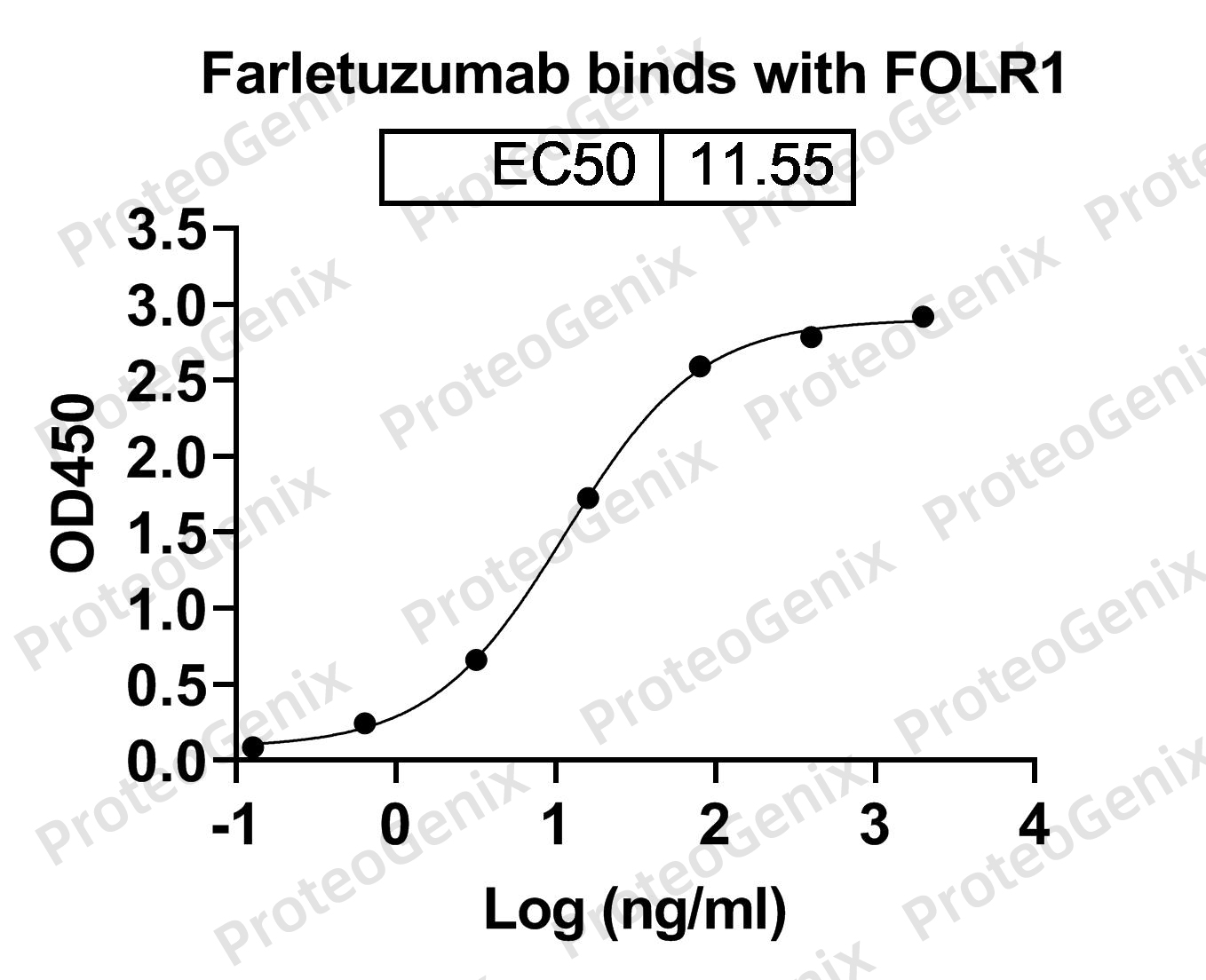
The main activity of Farletuzumab Biosimilar is to bind to the FOLR1 protein, which is overexpressed in various types of cancer cells. This binding leads to the inhibition of cancer cell growth and survival, making Farletuzumab Biosimilar a promising therapeutic agent for the treatment of cancer.
In addition to its direct anti-tumor activity, Farletuzumab Biosimilar also has the ability to activate the immune system through its effector functions. This can enhance the body’s natural defense mechanisms against cancer cells, leading to a more effective and targeted treatment approach.
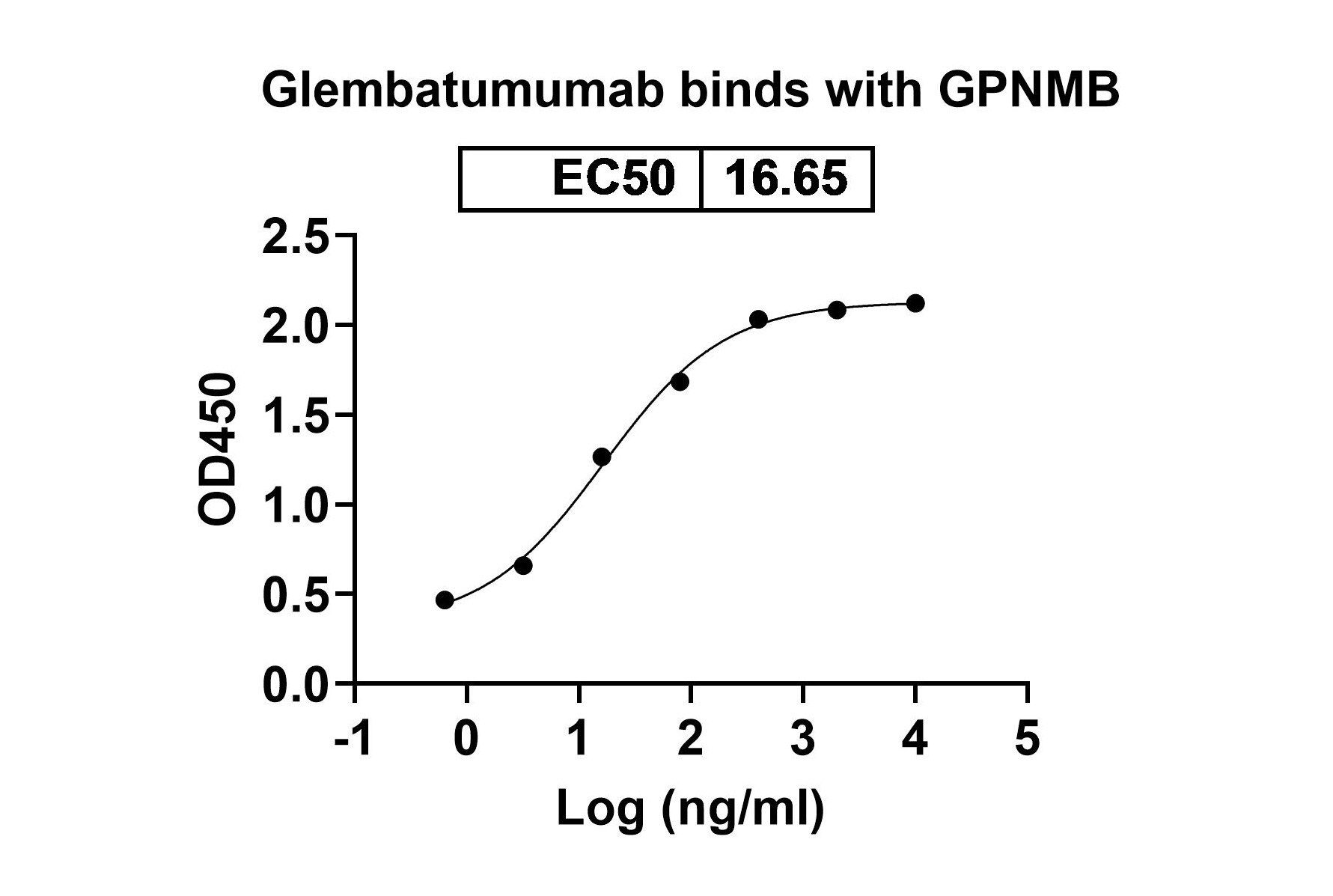
Studies have shown that Farletuzumab Biosimilar has a high affinity and specificity for FOLR1, making it a potent and selective therapeutic agent. It has also been shown to have low immunogenicity, meaning it is less likely to cause an immune response in patients.
The Application of Farletuzumab Biosimilar – Anti-FOLR1 mAb
Farletuzumab Biosimilar is currently being investigated as a potential treatment for various types of cancer, including ovarian, lung, and breast cancer. It is typically used in combination with other cancer therapies, such as chemotherapy, to enhance its anti-tumor effects.
One of the main advantages of Farletuzumab Biosimilar is its biosimilarity to the original Farletuzumab, which has already been extensively studied in clinical trials. This allows for a faster and more streamlined development process, potentially leading to quicker availability of this therapeutic option for cancer patients.
In addition to its potential as a cancer treatment, Farletuzumab Biosimilar is also being explored as a diagnostic tool. Due to its high specificity for FOLR1, it can be used to detect the presence of FOLR1 in cancer cells, allowing for more accurate and targeted diagnosis of certain types of cancer.
In conclusion, Farletuzumab Biosimilar – Anti-FOLR1 mAb is a promising therapeutic option for the treatment of cancer. Its specific structure and activity make it a potent and selective agent, with the potential to enhance the body’s natural defense mechanisms against cancer cells. With ongoing research and clinical trials, Farletuzumab Biosimilar may soon become a valuable addition to the arsenal of cancer treatments.


There are no reviews yet.