Introduction
Drozitumab Biosimilar, also known as Anti-TNFRSF10B, TRAILR2, CD262 mAb, is a monoclonal antibody that targets the TNFRSF10B protein, also known as TRAIL receptor 2 (TRAILR2) or CD262. This protein is a member of the tumor necrosis factor (TNF) receptor superfamily and is involved in the regulation of apoptosis, or programmed cell death. Drozitumab Biosimilar is a research grade antibody that has potential therapeutic applications in the treatment of various cancers.
Structure of Drozitumab Biosimilar
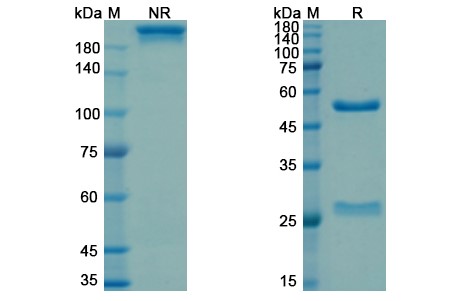
Drozitumab Biosimilar is a fully humanized monoclonal antibody, meaning it is derived from human cells and has a structure similar to natural human antibodies. It is composed of two heavy chains and two light chains, each with a variable region that binds specifically to the TNFRSF10B protein. The variable regions are connected to constant regions that provide stability and effector functions. The structure of Drozitumab Biosimilar allows it to bind to the TNFRSF10B protein with high specificity and affinity.
Activity of Drozitumab Biosimilar
Drozitumab Biosimilar works by binding to the TNFRSF10B protein on the surface of cancer cells. This binding triggers a signaling cascade that leads to the activation of apoptosis, or programmed cell death, in the cancer cells. This mechanism of action is similar to the natural function of TRAILR2, which is to induce apoptosis in cells that are damaged or infected. However, cancer cells often develop resistance to TRAILR2-mediated apoptosis, making Drozitumab Biosimilar a promising therapeutic option for these types of cancers.
Application of Drozitumab Biosimilar
Drozitumab Biosimilar has potential applications in the treatment of various cancers, specifically those that overexpress the TNFRSF10B protein. These include solid tumors such as lung, breast, and colon cancers, as well as hematological malignancies such as leukemia and lymphoma. In preclinical studies, Drozitumab Biosimilar has shown promising results in inhibiting tumor growth and inducing apoptosis in cancer cells.
In addition to its potential as a therapeutic agent, Drozitumab Biosimilar can also be used as a research tool in the study of TNFRSF10B and its role in cancer. Its high specificity and affinity for the TNFRSF10B protein make it a valuable tool for studying the signaling pathways and mechanisms involved in TRAILR2-mediated apoptosis.
Conclusion
In summary, Drozitumab Biosimilar is a research grade monoclonal antibody that targets the TNFRSF10B protein, also known as TRAIL receptor 2 or CD262. Its structure, activity, and potential therapeutic applications make it a promising candidate for the treatment of various cancers. As research in this field continues, Drozitumab Biosimilar may play a significant role in improving cancer treatment and patient outcomes.


There are no reviews yet.