Introduction
Ezabenlimab Biosimilar, also known as Anti-PDCD1 mAb, is a monoclonal antibody that has been developed as a biosimilar to the therapeutic antibody pembrolizumab. It is a promising immunotherapy agent that targets the programmed cell death protein 1 (PD-1) pathway, which plays a crucial role in regulating the immune response against cancer cells. In this article, we will discuss the structure, activity, and potential applications of Ezabenlimab Biosimilar in the field of cancer research.
Structure of Ezabenlimab Biosimilar
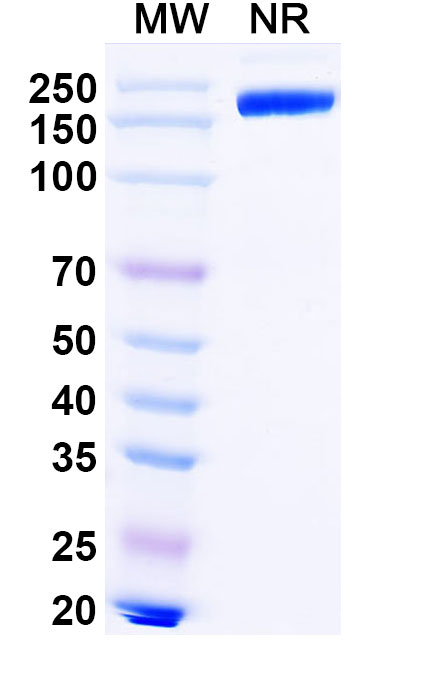
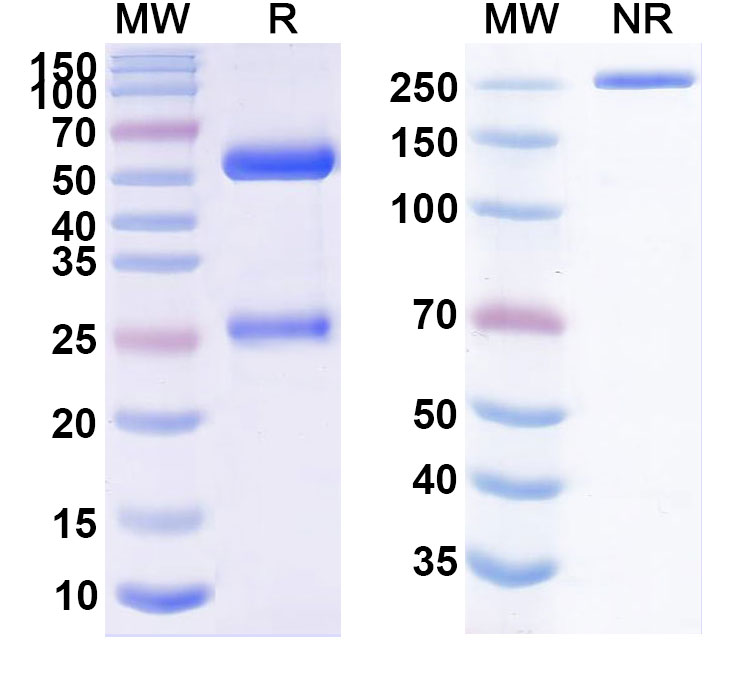
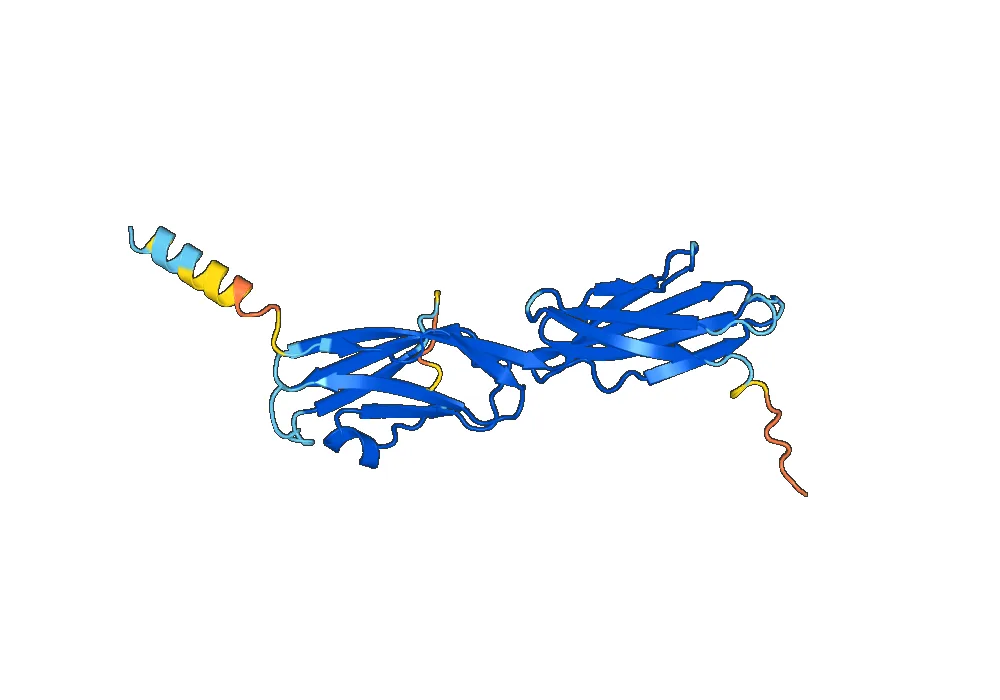
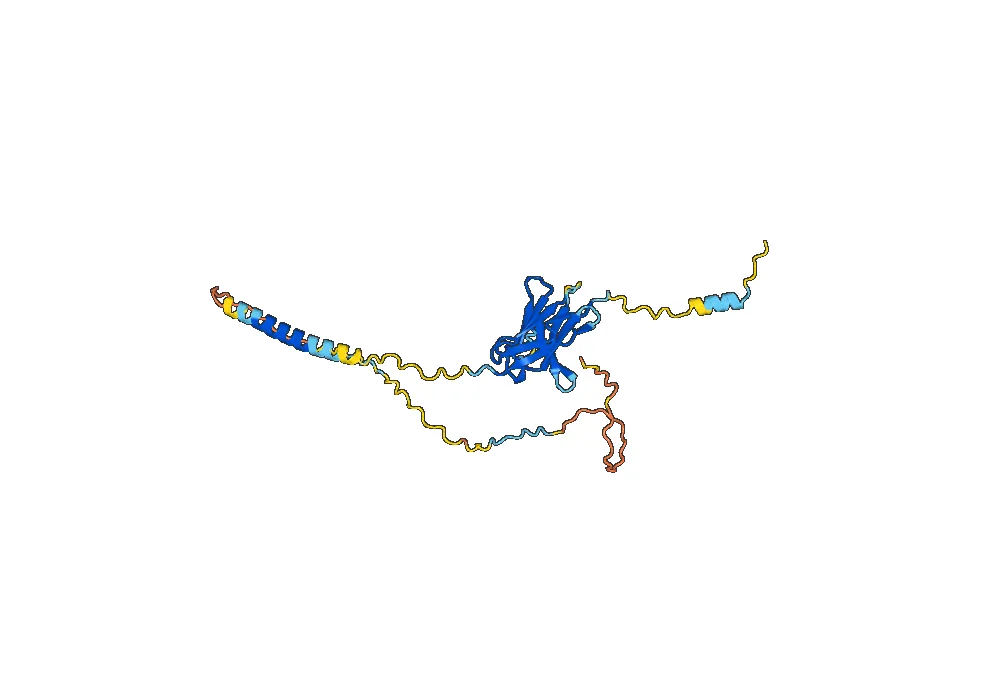
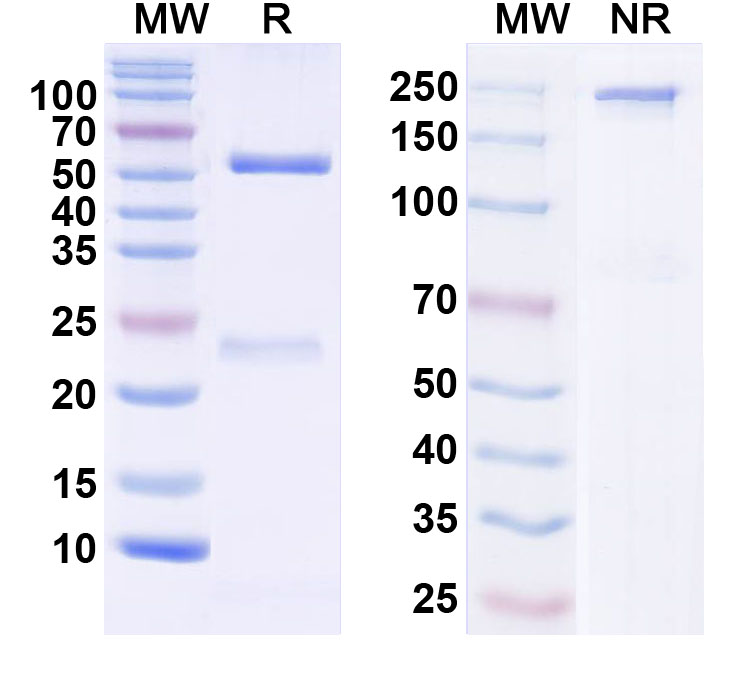
Ezabenlimab Biosimilar is a fully humanized IgG4 monoclonal antibody with a molecular weight of approximately 149 kDa. It is composed of two heavy chains and two light chains, each containing a variable region and a constant region. The variable region of Ezabenlimab Biosimilar is responsible for its specific binding to PD-1, while the constant region determines its effector functions.
The amino acid sequence of Ezabenlimab Biosimilar is highly similar to that of pembrolizumab, with only a few minor differences. This similarity allows for a high degree of structural and functional similarity between the two antibodies, making Ezabenlimab Biosimilar a suitable biosimilar candidate.
Activity of Ezabenlimab Biosimilar
The main activity of Ezabenlimab Biosimilar is its ability to block the PD-1 pathway. PD-1 is a checkpoint protein expressed on the surface of T cells, which helps regulate the immune response by inhibiting T cell activation.
Cancer cells can exploit this pathway by overexpressing PD-L1, a ligand for PD-1, which leads to the suppression of the immune response against them.
Ezabenlimab Biosimilar binds to PD-1 and prevents its interaction with PD-L1, thereby releasing the brakes on the immune system and allowing it to attack cancer cells. This mechanism of action has been shown to be effective in various types of cancer, including melanoma, lung cancer, and bladder cancer.
Applications of Ezabenlimab Biosimilar
Ezabenlimab Biosimilar has shown promising results in preclinical and clinical studies and has the potential to be used in the treatment of various types of cancer. It has been granted orphan drug designation by the FDA for the treatment of hepatocellular carcinoma, a type of liver cancer.
In addition to its potential as a therapeutic agent, Ezabenlimab Biosimilar also has applications in cancer research. It can be used as a tool for studying the PD-1 pathway and its role in cancer immunology. Its structural and functional similarity to pembrolizumab also makes it a useful biosimilar for comparative studies.
Conclusion
In summary, Ezabenlimab Biosimilar is a promising monoclonal antibody that targets the PD-1 pathway and has potential applications in cancer treatment and research. Its structure and activity are highly similar to that of pembrolizumab, making it a suitable biosimilar candidate. Further studies and clinical trials are needed to fully evaluate the efficacy and safety of Ezabenlimab Biosimilar, but it holds great promise in the fight against cancer.


There are no reviews yet.