Introduction
Syn-005-11E6 is a biosimilar antibody that targets the pertussis toxin subunit 2 (PTxS2), a key virulence factor of Bordetella pertussis, the causative agent of whooping cough. This research grade antibody has been developed as a potential therapeutic agent for the treatment of pertussis, a highly contagious respiratory disease that primarily affects infants and young children. In this article, we will explore the structure, activity, and potential applications of SYN-005-11E6 Biosimilar in more detail.
Structure of SYN-005-11E6 Biosimilar
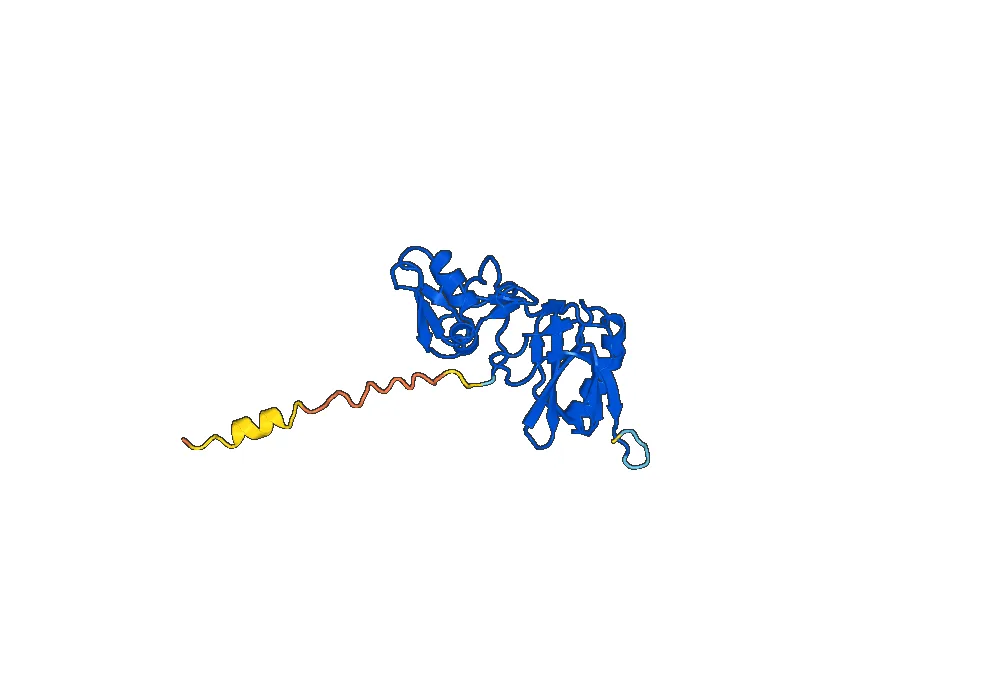
SYN-005-11E6 Biosimilar is a monoclonal antibody (mAb) that specifically targets the PTxS2 protein. It is a recombinant antibody, meaning it is produced in a laboratory using genetic engineering techniques. The antibody is composed of two identical heavy chains and two identical light chains, each containing a variable region and a constant region. The variable regions are responsible for binding to the PTxS2 protein, while the constant regions determine the antibody’s effector functions.
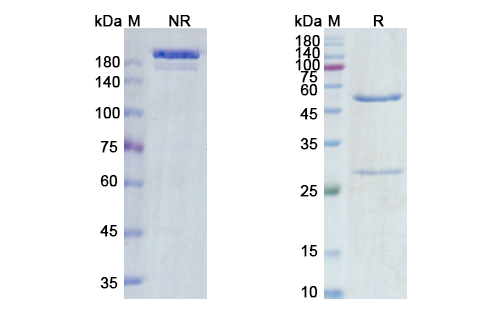
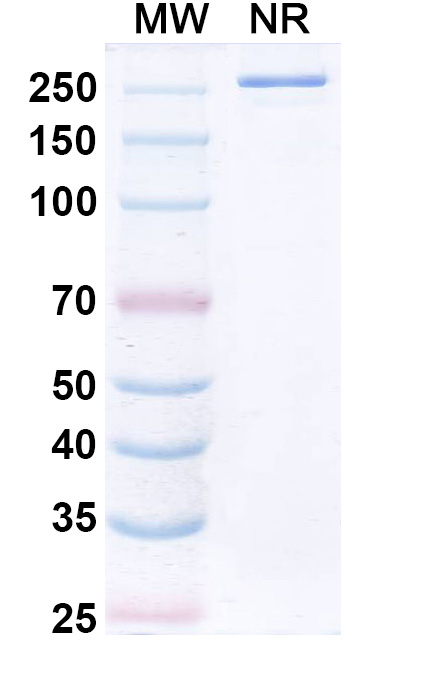
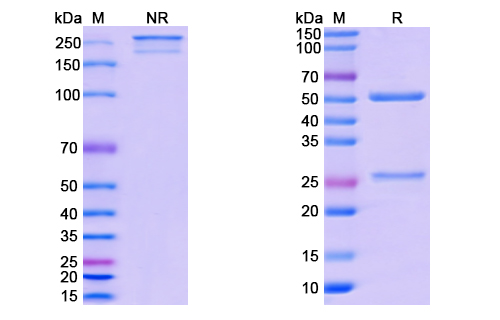
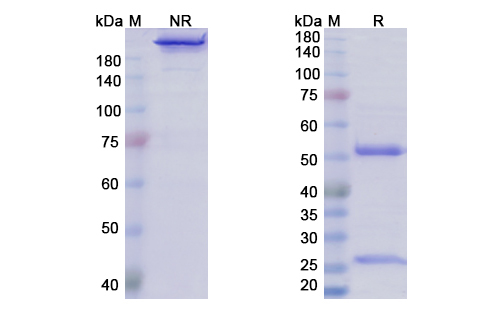
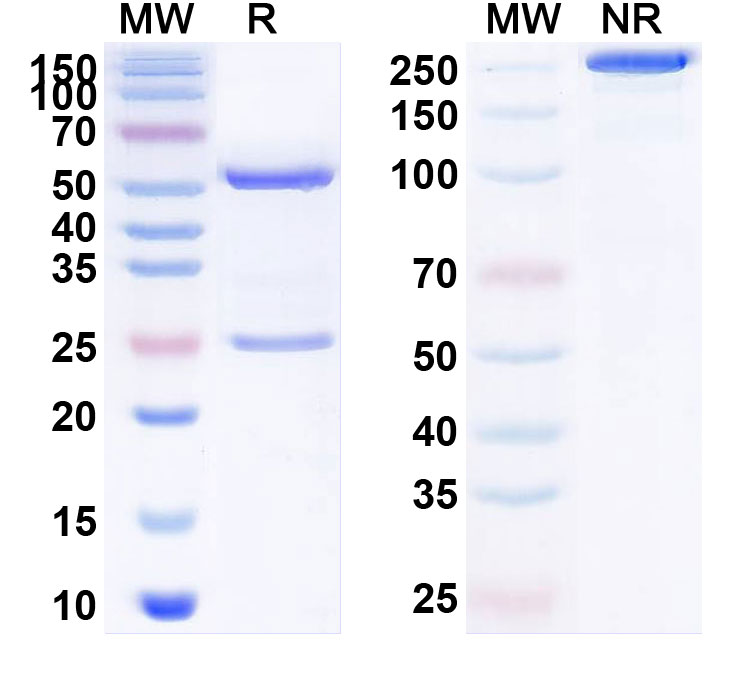
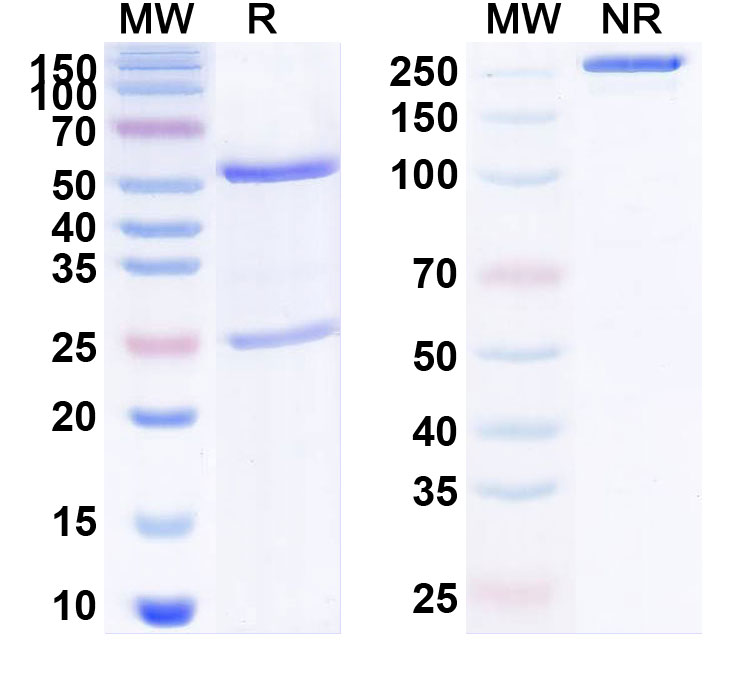
The SYN-005-11E6 Biosimilar antibody has a molecular weight of approximately 150 kDa and belongs to the immunoglobulin G (IgG) class of antibodies. It is a full-length antibody, meaning it contains both the Fab and Fc regions. The Fab region is responsible for antigen binding, while the Fc region is involved in effector functions such as complement activation and antibody-dependent cellular cytotoxicity (ADCC).
Activity of SYN-005-11E6 Biosimilar
The main activity of SYN-005-11E6 Biosimilar is its ability to bind to the PTxS2 protein and neutralize its activity. PTxS2 is a key component of the pertussis toxin, which is responsible for the characteristic symptoms of whooping cough. By binding to PTxS2, SYN-005-11E6 Biosimilar prevents the toxin from attaching to and damaging host cells, thereby reducing the severity of the disease.
In addition to its neutralizing activity, SYN-005-11E6 Biosimilar also has effector functions that can contribute to its therapeutic efficacy. These include complement activation, which can lead to the lysis of bacteria, and ADCC, which involves the destruction of infected cells by immune cells.
Applications of SYN-005-11E6 Biosimilar
The primary application of SYN-005-11E6 Biosimilar is in the treatment of pertussis. Currently, there is no specific treatment for pertussis, and antibiotics are only effective in the early stages of the disease. SYN-005-11E6 Biosimilar offers a targeted approach to treating pertussis by directly neutralizing the toxin responsible for the disease’s symptoms.
Furthermore, SYN-005-11E6 Biosimilar has the potential to be used as a prophylactic treatment for individuals at high risk of contracting pertussis, such as infants and young children. By administering the antibody before exposure to the bacteria, it can prevent or reduce the severity of the disease.
In addition to its application in pertussis, SYN-005-11E6 Biosimilar may also have potential in other diseases caused by Bordetella pertussis, such as bronchitis and pneumonia. It may also be useful in the treatment of other bacterial infections that produce toxins similar to PTxS2.
Conclusion
In summary, SYN-005-11E6 Biosimilar is a biosimilar antibody that specifically targets the pertussis toxin subunit 2. It has a unique structure, with both variable and constant regions that contribute to its activity. Its main activity is neutralizing the PTxS2 protein, and it also has effector functions that can enhance its therapeutic efficacy. SYN-005-11E6 Biosimilar has potential


There are no reviews yet.