Introduction
Epratuzumab Biosimilar – Anti-CD22 mAb – Research Grade is a monoclonal antibody (mAb) that targets the CD22 protein, a cell surface receptor that is highly expressed on B cells. This biosimilar is designed to mimic the structure and function of the original drug, epratuzumab, which is used in the treatment of various autoimmune diseases. In this article, we will explore the structure, activity, and potential applications of Epratuzumab Biosimilar in scientific research.
Structure of Epratuzumab Biosimilar
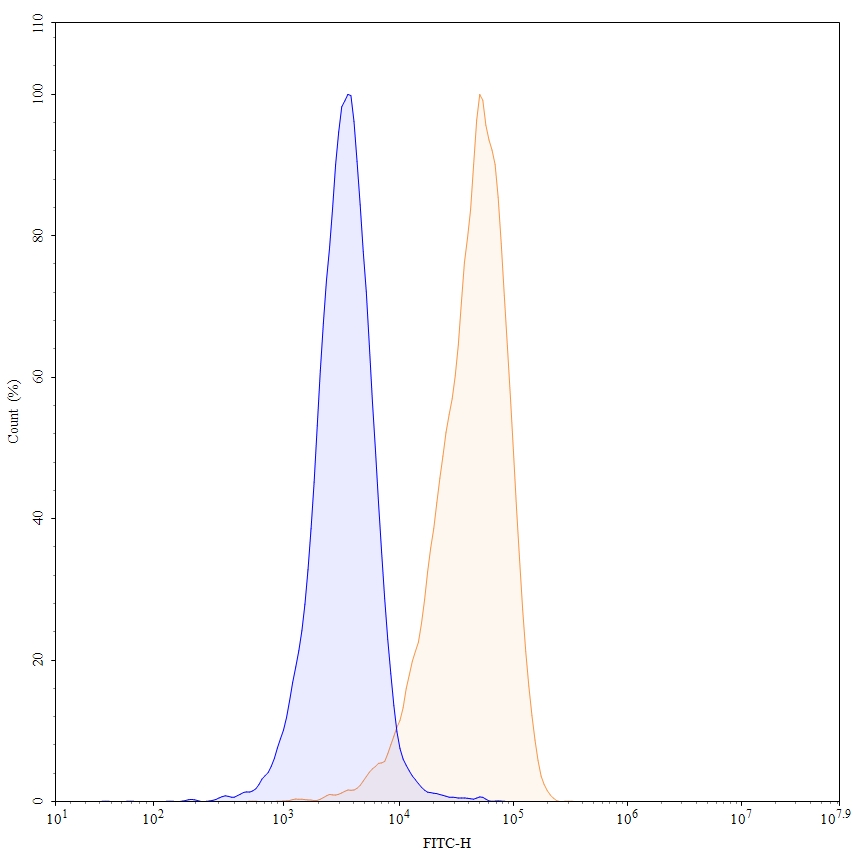
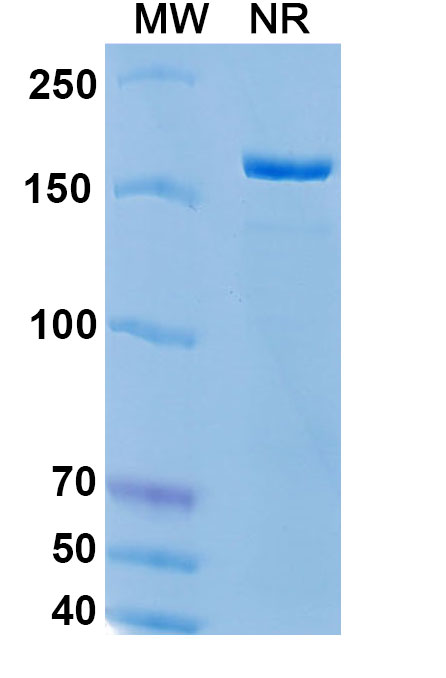
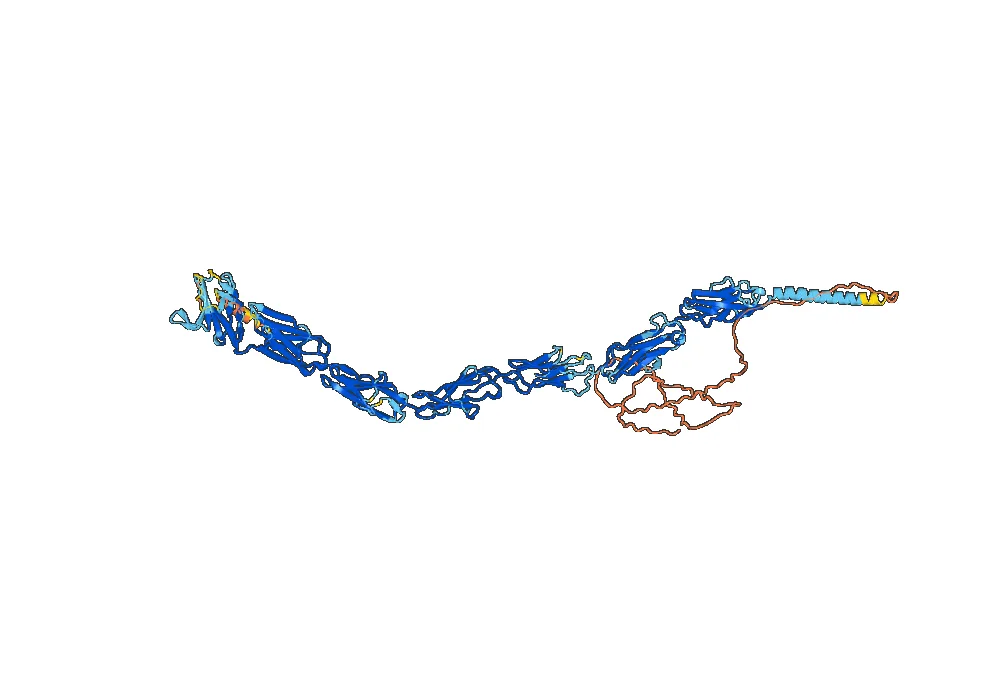
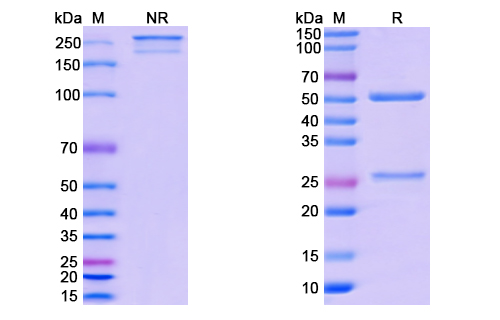
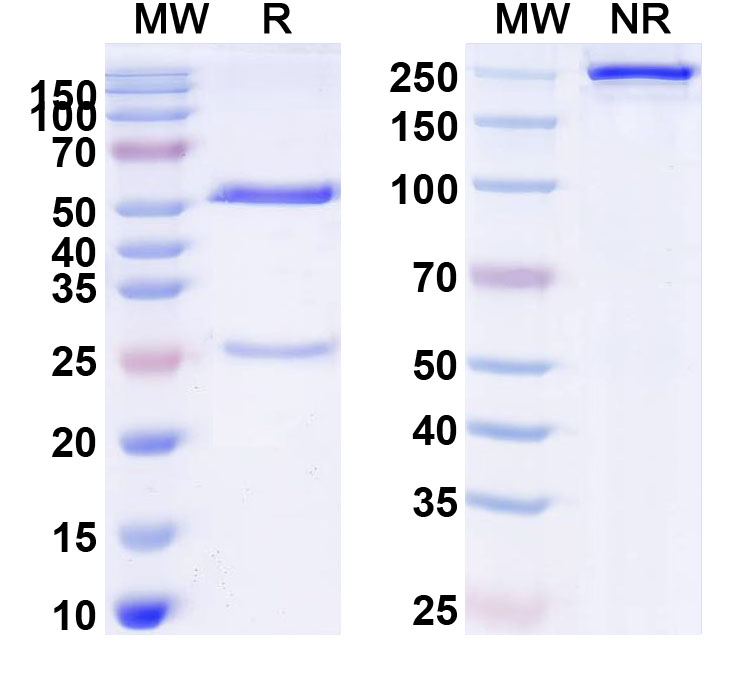
Epratuzumab Biosimilar is a fully humanized IgG1 monoclonal antibody, meaning it is derived from human cells and has a structure similar to the natural antibodies produced by the human immune system. It consists of two heavy chains and two light chains, with a total molecular weight of approximately 150 kDa. The antibody is composed of four distinct regions: the variable region, which binds to the target CD22 protein, and the constant regions, which determine the antibody’s effector functions.
Mechanism of Action
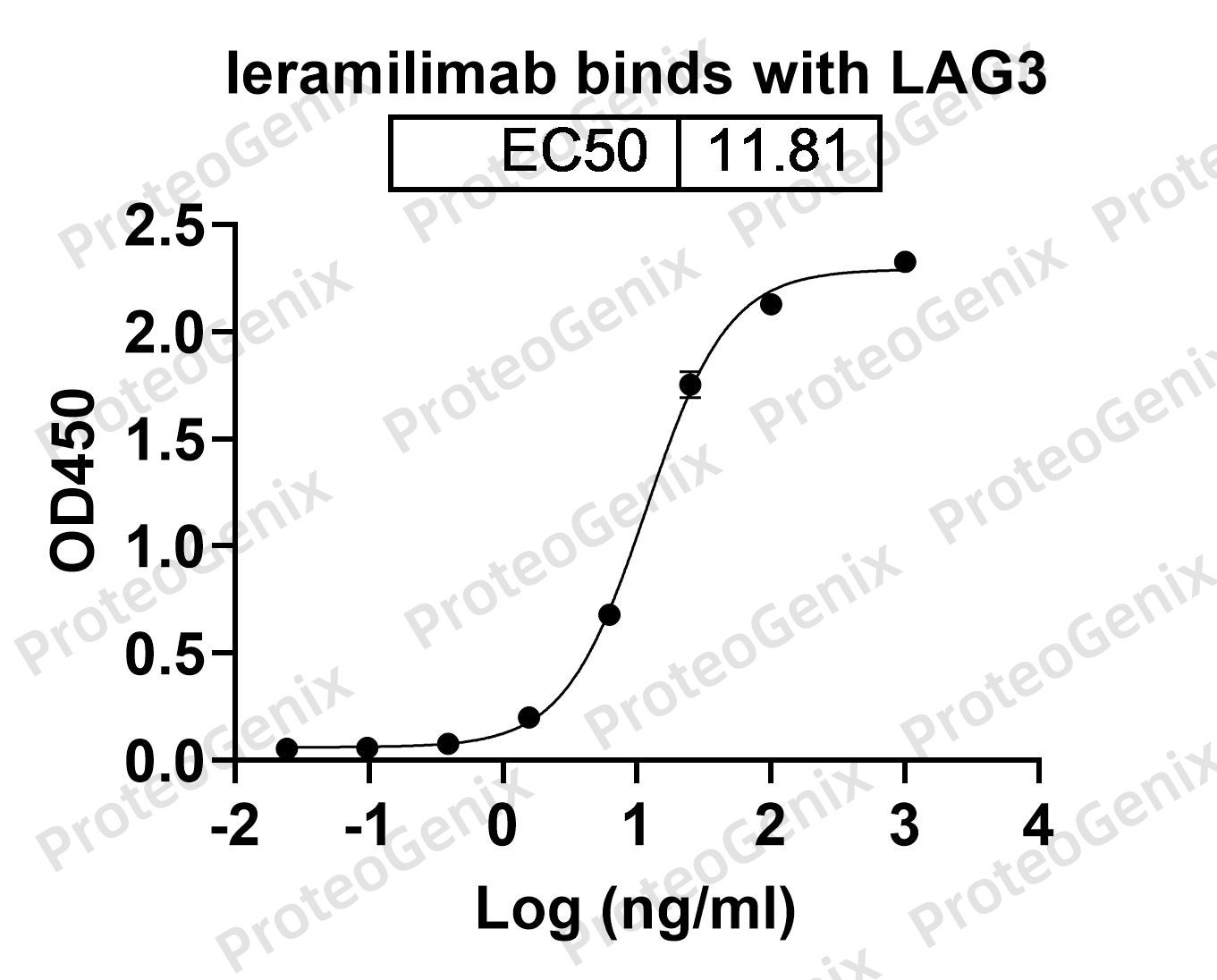
Epratuzumab Biosimilar works by binding to the CD22 protein on the surface of B cells, which plays a critical role in regulating B cell activation and survival. This binding prevents the CD22 protein from interacting with its natural ligand, resulting in the inhibition of B cell signaling pathways. This leads to a decrease in B cell proliferation and production of inflammatory cytokines, ultimately reducing the activity of the immune system.
Applications in Scientific Research
Epratuzumab Biosimilar has been extensively studied for its potential in treating autoimmune diseases such as systemic lupus erythematosus (SLE) and rheumatoid arthritis (RA). However, its use as a research tool has also gained attention due to its ability to specifically target CD22-expressing B cells. This has opened up opportunities for its application in various areas of scientific research, including:
1. Autoimmune Disease Research Epratuzumab Biosimilar has shown promising results in clinical trials for the treatment of SLE and RA. Its ability to target CD22-expressing B cells, which are implicated in the pathogenesis of these diseases, makes it a potential therapeutic option. In addition, the biosimilar’s structure and mechanism of action make it a valuable tool for studying the role of B cells in autoimmune diseases.
2.
Cancer Research
CD22 is also expressed on the surface of certain types of B cell lymphomas and leukemias. Epratuzumab Biosimilar has shown potential in targeting these cancer cells and inducing cell death. This makes it a promising candidate for the development of new cancer treatments and for studying the role of B cells in cancer progression.
3. Immunological Research The specific targeting of CD22-expressing B cells by Epratuzumab Biosimilar makes it a useful tool for studying the role of these cells in the immune system. It can be used to investigate the function of B cells in various diseases and to understand the mechanisms of B cell activation and regulation.
4. Drug Development Epratuzumab Biosimilar can also be used in the development and testing of new drugs that target the CD22 protein. Its structure and mechanism of action provide a valuable template for designing and optimizing new therapeutic agents.
Conclusion
In summary, Epratuzumab Biosimilar – Anti-CD22 mAb – Research Grade is a promising monoclonal antibody with potential applications in both clinical and scientific research. Its structure, mechanism of action, and ability to specifically target CD22-expressing B cells make it a valuable tool for studying various diseases and developing new treatments. Further research and development of this biosimilar could lead to significant advancements in the fields of autoimmune disease, cancer, and immunology.
There are no reviews yet.