Introduction
Domvanalimab Biosimilar, also known as Anti-TIGIT mAb, is a monoclonal antibody that has been developed as a biosimilar to the original TIGIT antibody. This biosimilar has been designed to target a specific protein, TIGIT, which has been identified as a potential therapeutic target in various diseases. In this article, we will provide a detailed scientific description of the structure, activity, and potential applications of Domvanalimab Biosimilar.
Structure of Domvanalimab Biosimilar
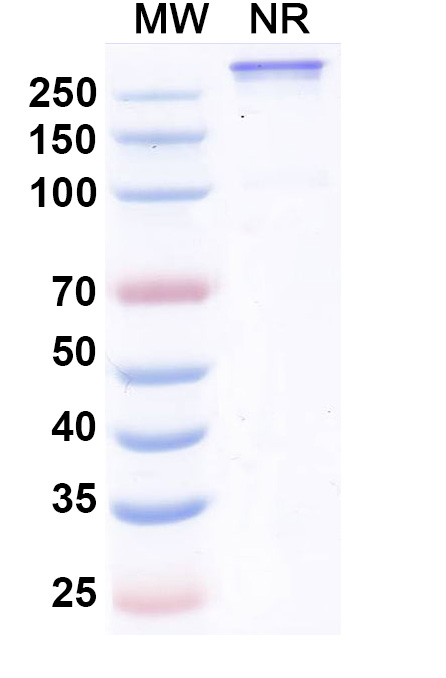
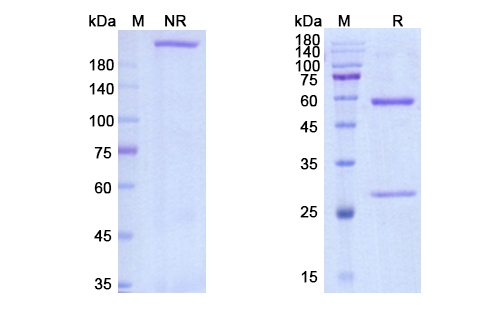
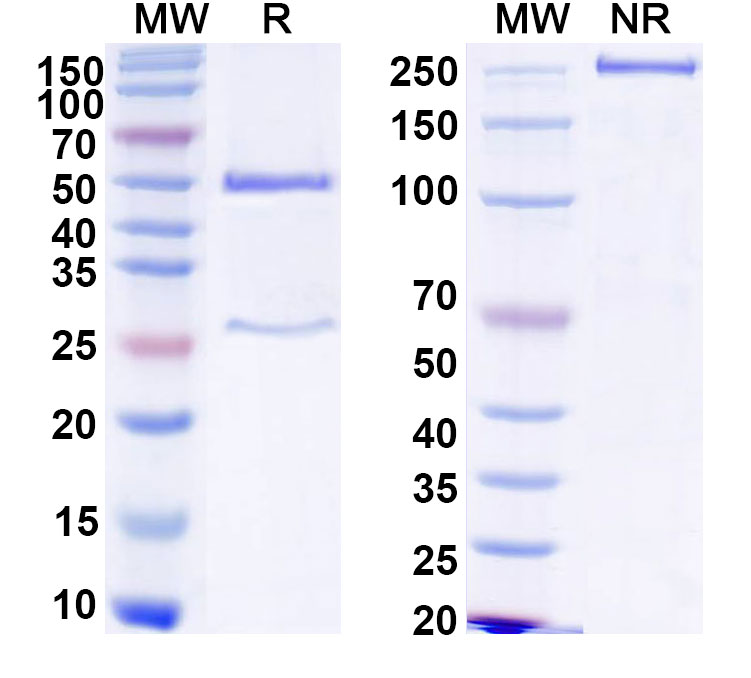
Domvanalimab Biosimilar is a recombinant humanized IgG1 monoclonal antibody, which means it has been engineered to closely resemble a human antibody. It consists of two heavy chains and two light chains, each containing a variable region and a constant region. The variable region is responsible for binding to its target, TIGIT, while the constant region determines the antibody’s effector functions.
Activity of Domvanalimab Biosimilar
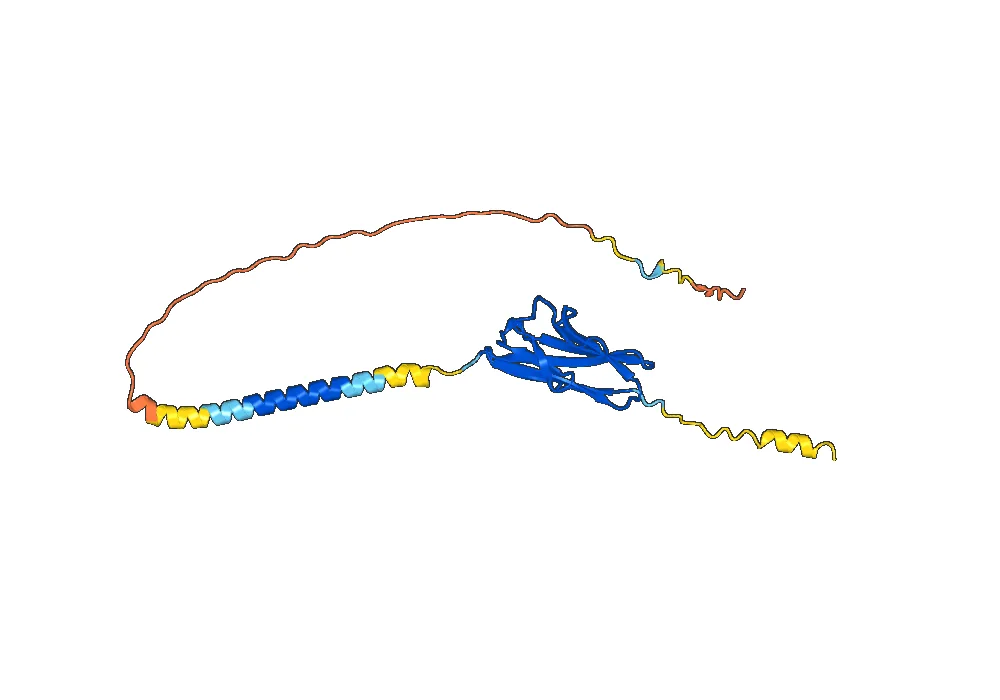
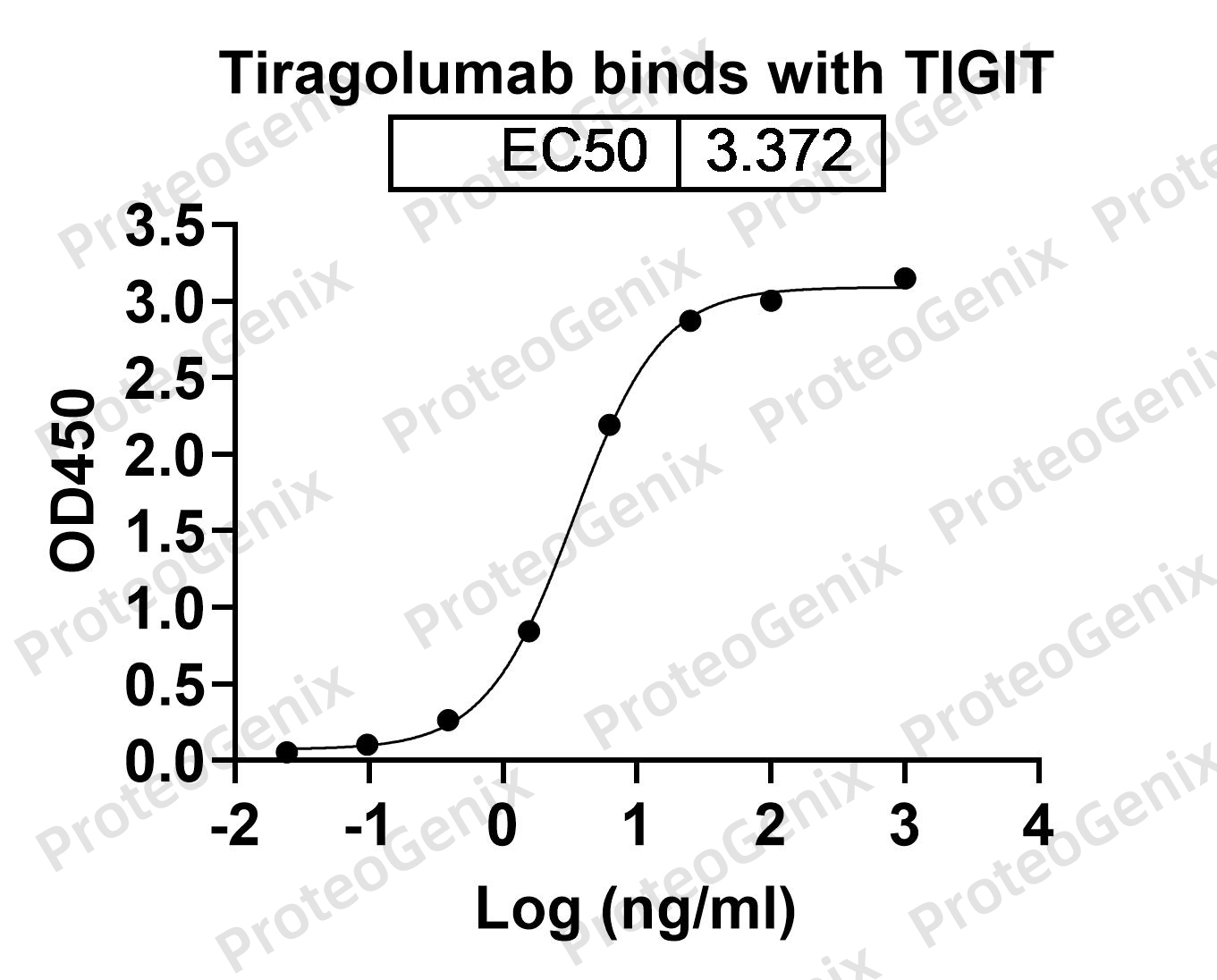
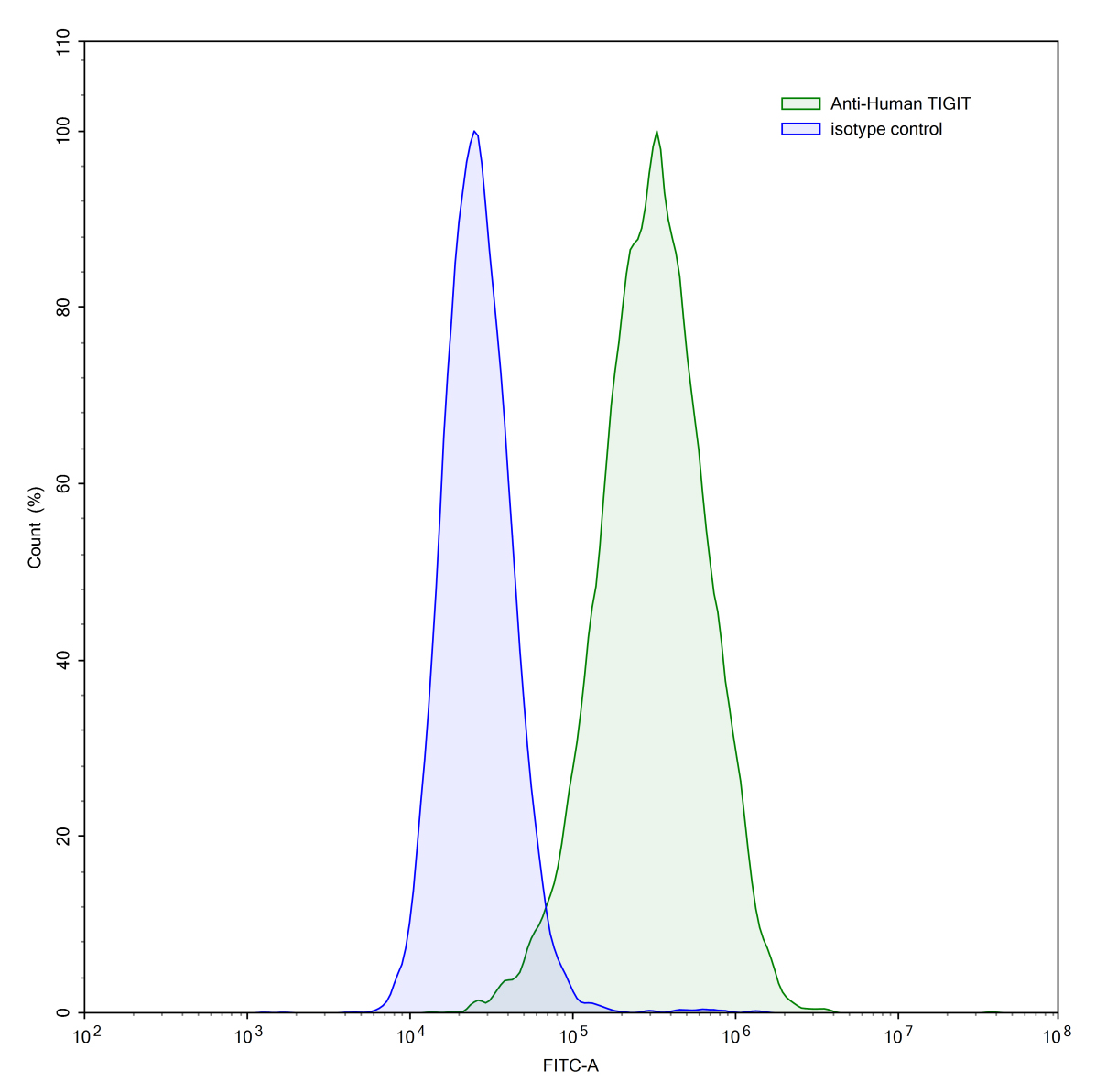
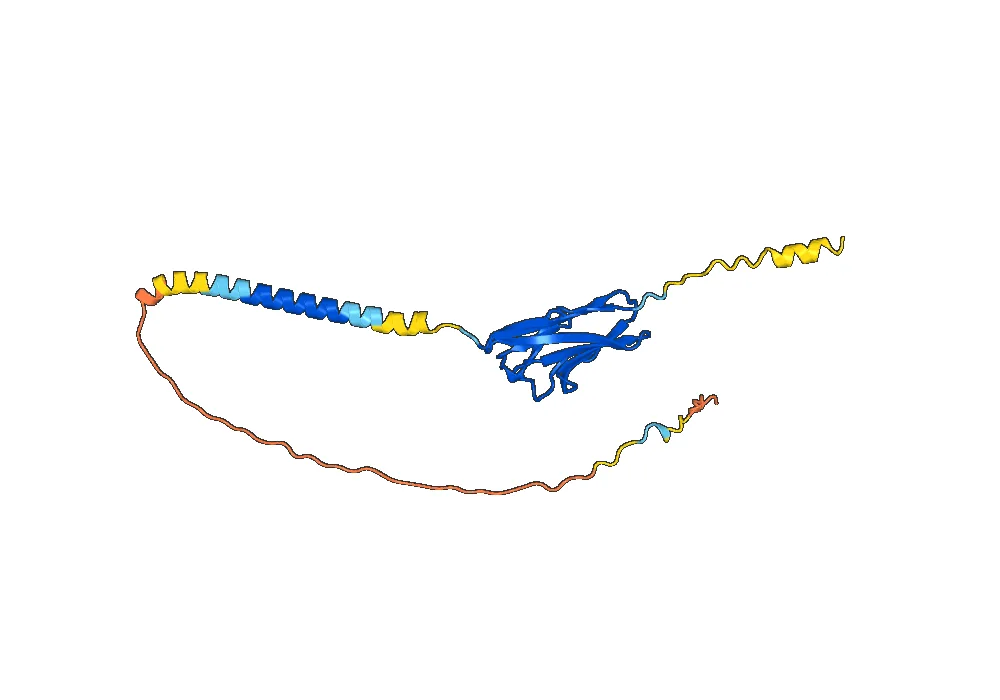
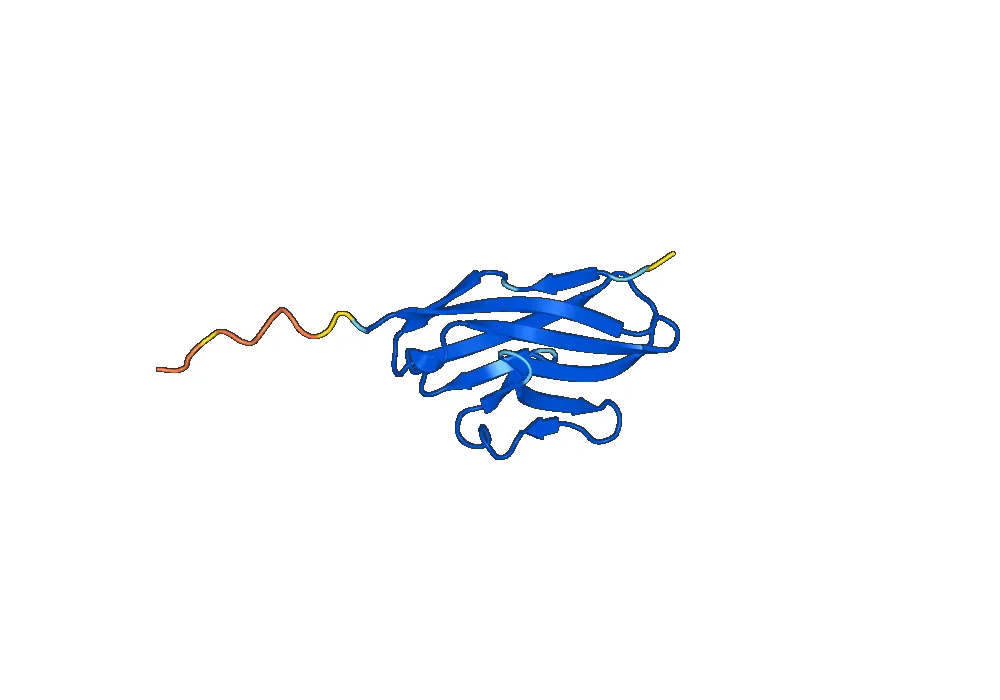
TIGIT is a protein that is expressed on the surface of immune cells, including T cells, natural killer cells, and regulatory T cells. It interacts with another protein called PVR, which is found on the surface of tumor cells and immune cells. This interaction between TIGIT and PVR leads to the suppression of immune responses, allowing tumors to evade the immune system and grow. Domvanalimab Biosimilar works by binding to TIGIT and blocking its interaction with PVR, thereby restoring the immune system’s ability to recognize and attack tumor cells.
Applications of Domvanalimab Biosimilar
Domvanalimab Biosimilar has shown promising results in preclinical studies and is currently being evaluated in clinical trials for its potential therapeutic applications. Some of the diseases that may benefit from this biosimilar include:
1.
Cancer: TIGIT has been identified as a potential therapeutic target in various types of cancer, including lung cancer, breast cancer, and melanoma. By blocking TIGIT, Domvanalimab Biosimilar may enhance the anti-tumor immune response and improve the effectiveness of cancer treatments.
2. Autoimmune diseases: TIGIT has also been implicated in the development of autoimmune diseases such as rheumatoid arthritis and multiple sclerosis. By inhibiting TIGIT, Domvanalimab Biosimilar may help to regulate the immune response and reduce inflammation in these conditions.
3.
Infectious diseases: TIGIT has been found to play a role in the immune response to viral infections, such as hepatitis B and HIV. Domvanalimab Biosimilar may potentially be used as an adjuvant therapy to enhance the body’s immune response and improve the efficacy of antiviral treatments.
4.
Transplant rejection: TIGIT has been shown to be involved in the suppression of immune responses in transplant rejection. By blocking TIGIT, Domvanalimab Biosimilar may help to prevent the rejection of transplanted organs.
Conclusion
In summary, Domvanalimab Biosimilar is a promising monoclonal antibody that has been developed as a biosimilar to the original TIGIT antibody. Its structure, activity, and potential applications make it a valuable therapeutic agent in the treatment of various diseases. Further research and clinical trials will help to determine the full potential of this biosimilar in improving patient outcomes.
There are no reviews yet.