Introduction
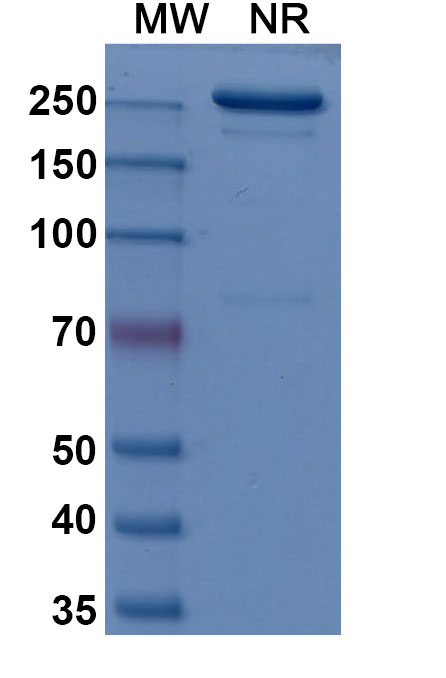
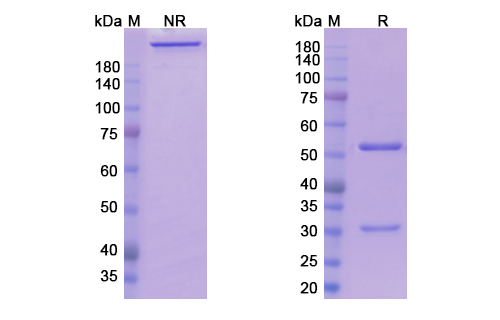
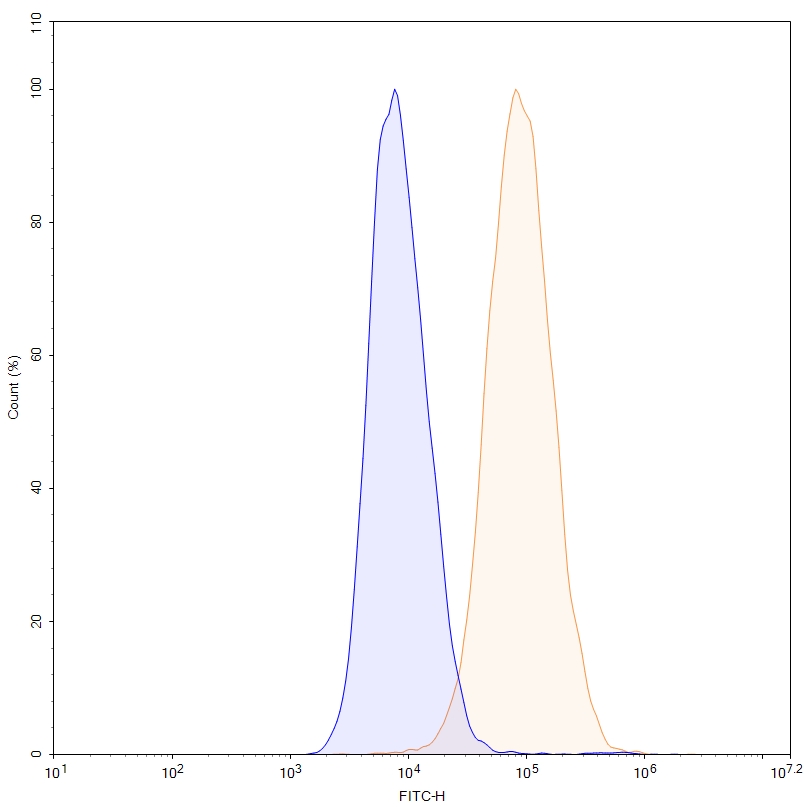
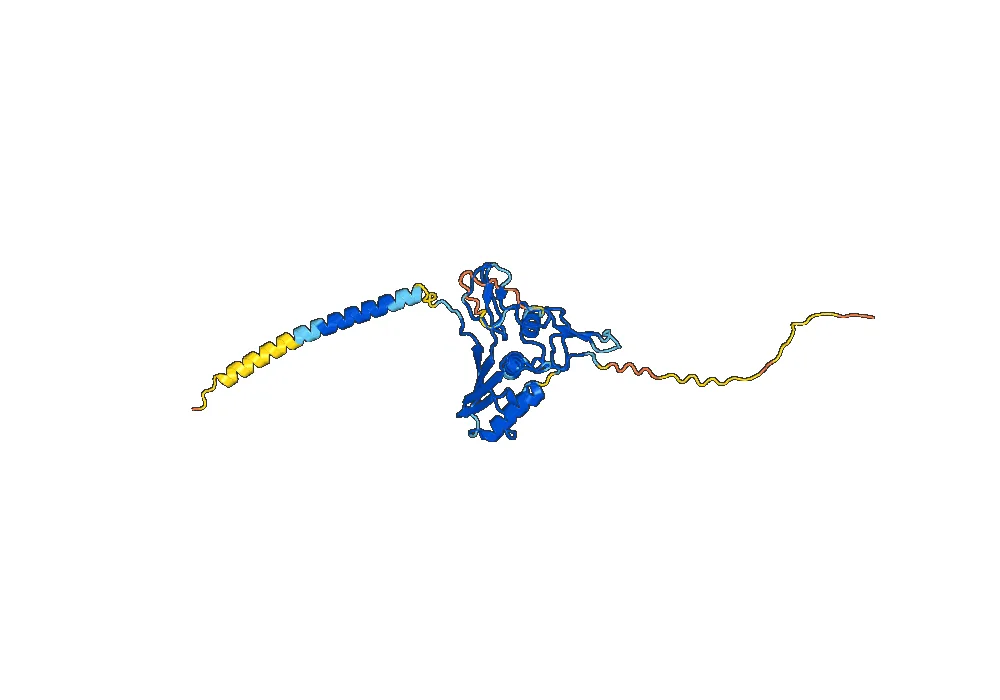
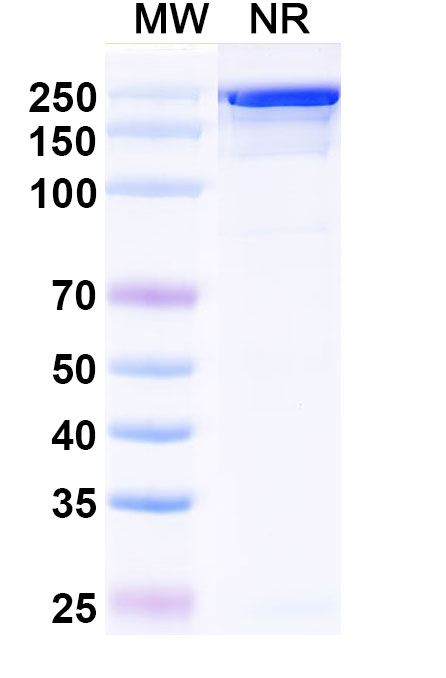
Datopotamab Biosimilar, also known as Anti-TACSTD2 mAb, is a research grade monoclonal antibody that has been developed as a potential therapeutic agent for various diseases. In this article, we will discuss the structure, activity, and potential applications of Datopotamab Biosimilar.
Structure of Datopotamab Biosimilar
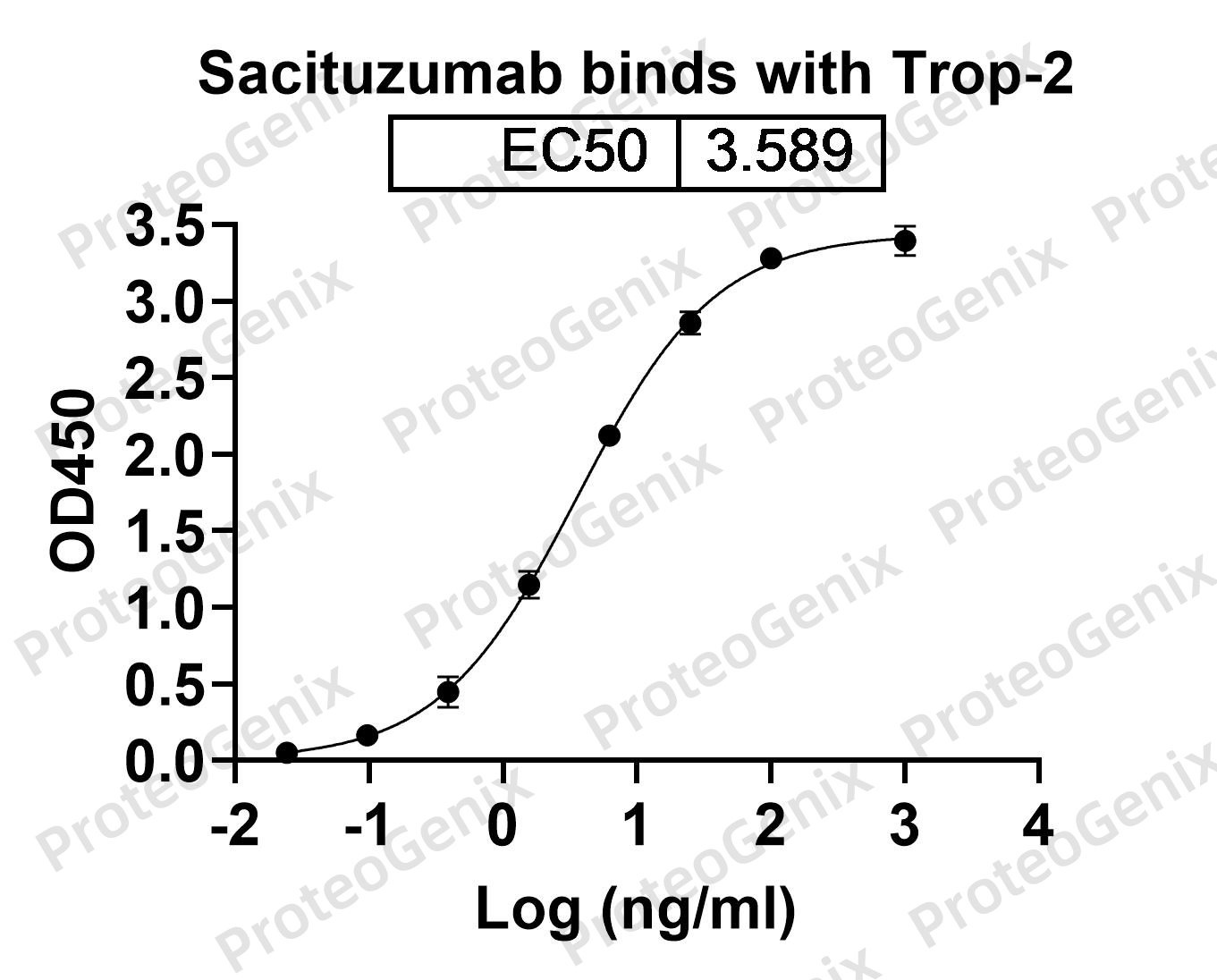
Datopotamab Biosimilar is a monoclonal antibody that specifically targets TACSTD2, also known as TROP2. It is a glycoprotein that is expressed on the surface of various types of cancer cells, including breast, lung, and pancreatic cancer. The antibody is a fully human IgG1 molecule, which means it is derived from human cells and has a constant region that is responsible for its therapeutic activity.
The variable region of Datopotamab Biosimilar has been engineered to bind specifically to TACSTD2, allowing it to selectively target cancer cells. This is achieved through the use of hybridoma technology, where mouse B cells are fused with human myeloma cells to produce a hybrid cell line that can produce human antibodies.
Activity of Datopotamab Biosimilar
Datopotamab Biosimilar has been shown to have potent anti-tumor activity in preclinical studies. It works by binding to TACSTD2 on the surface of cancer cells, which leads to the activation of immune cells and subsequent destruction of the cancer cells. This mechanism of action is known as antibody-dependent cell-mediated cytotoxicity (ADCC).
In addition to its direct anti-tumor activity, Datopotamab Biosimilar has also been shown to inhibit the growth and metastasis of cancer cells. This is achieved through the downregulation of key signaling pathways that are involved in cancer cell proliferation and migration.
Applications of Datopotamab Biosimilar
Datopotamab Biosimilar has shown promising results in preclinical studies and is currently being evaluated in clinical trials for the treatment of various types of cancer. Its potential applications include:
- Breast cancer: TACSTD2 is overexpressed in approximately 90% of breast cancer cases, making it a promising therapeutic target. Datopotamab Biosimilar has shown to be effective in inhibiting the growth and metastasis of breast cancer cells in preclinical studies.
- Lung cancer: TACSTD2 is also highly expressed in lung cancer, and Datopotamab Biosimilar has been shown to inhibit the growth and migration of lung cancer cells. It is currently being evaluated in clinical trials for the treatment of non-small cell lung cancer.
- Pancreatic cancer: Datopotamab Biosimilar has shown promising results in preclinical studies for the treatment of pancreatic cancer, which is known to have limited treatment options. It has been shown to inhibit the growth and metastasis of pancreatic cancer cells, and is currently being evaluated in clinical trials.
In addition to these specific applications, Datopotamab Biosimilar has the potential to be used in combination with other therapies, such as chemotherapy and immunotherapy, to enhance their effectiveness and overcome treatment resistance.
Conclusion
Datopotamab Biosimilar is a research grade monoclonal antibody that has shown promising results in preclinical studies for the treatment of various types of cancer. Its specific targeting of TACSTD2 and its potent anti-tumor activity make it a promising therapeutic agent. With ongoing clinical trials, it has the potential to become a valuable addition to the treatment options for cancer patients.
Keywords: antibody, therapeutic target, Datopotamab Biosimilar, Anti-TACSTD2 mAb, TACSTD2, cancer, preclinical studies, clinical trials, breast cancer, lung cancer, pancreatic cancer, ADCC, hybridoma technology


There are no reviews yet.