Introduction to Cixutumumab Biosimilar – A Promising Antibody for Targeting IGF1R Cixutumumab Biosimilar, also known as Anti-IGF1R, CD221 mAb – Research Grade, is a monoclonal antibody that has shown great potential in the field of cancer therapy. This biosimilar is designed to target the insulin-like growth factor-1 receptor (IGF1R), a protein that plays a crucial role in cell growth and survival. In this article, we will discuss the structure, activity, and potential applications of Cixutumumab Biosimilar.
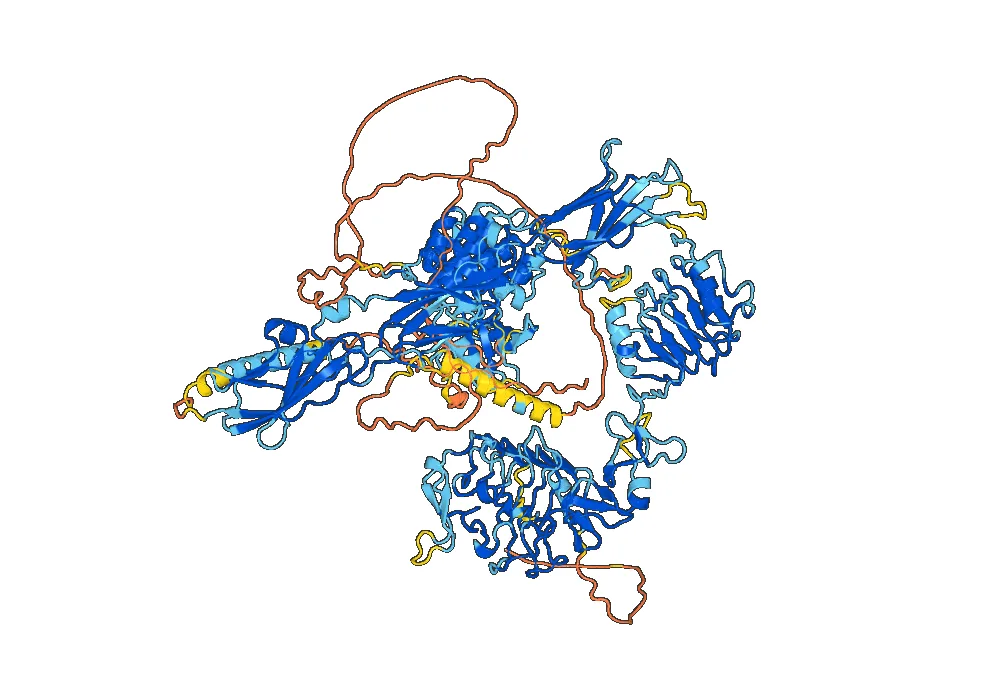
Structure of Cixutumumab Biosimilar
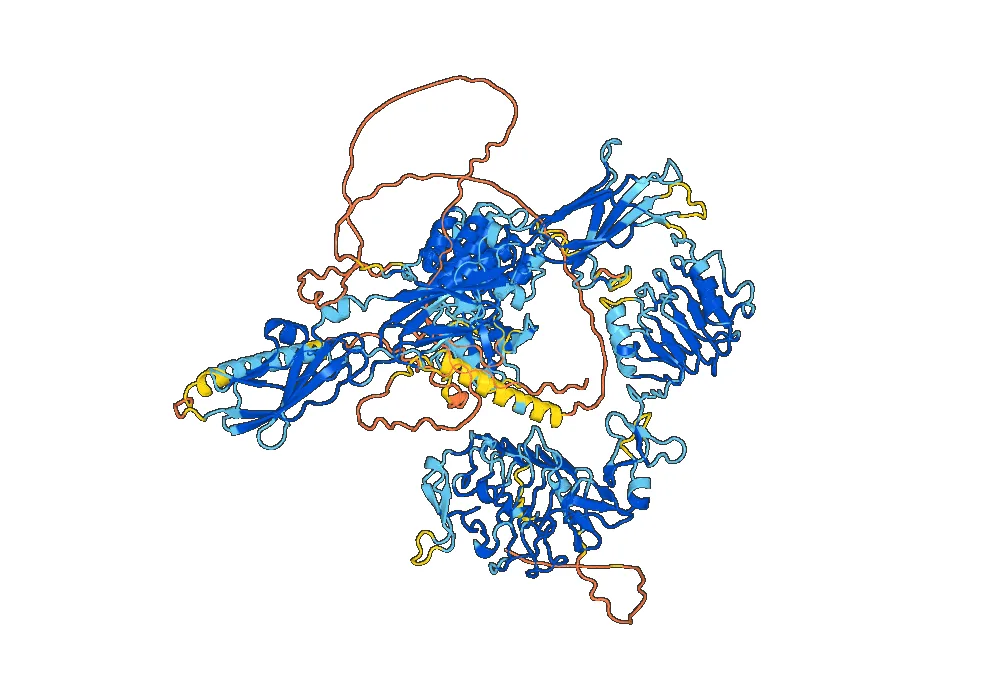
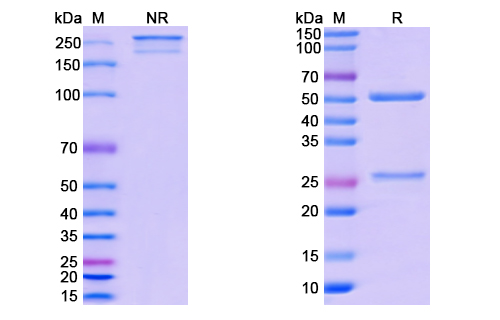
Cixutumumab Biosimilar is a humanized IgG1 monoclonal antibody, which means that it is derived from human antibodies and has been modified to reduce potential immune reactions in patients. The antibody is composed of two heavy chains and two light chains, connected by disulfide bonds. It has a molecular weight of approximately 150 kDa.
Activity of Cixutumumab Biosimilar
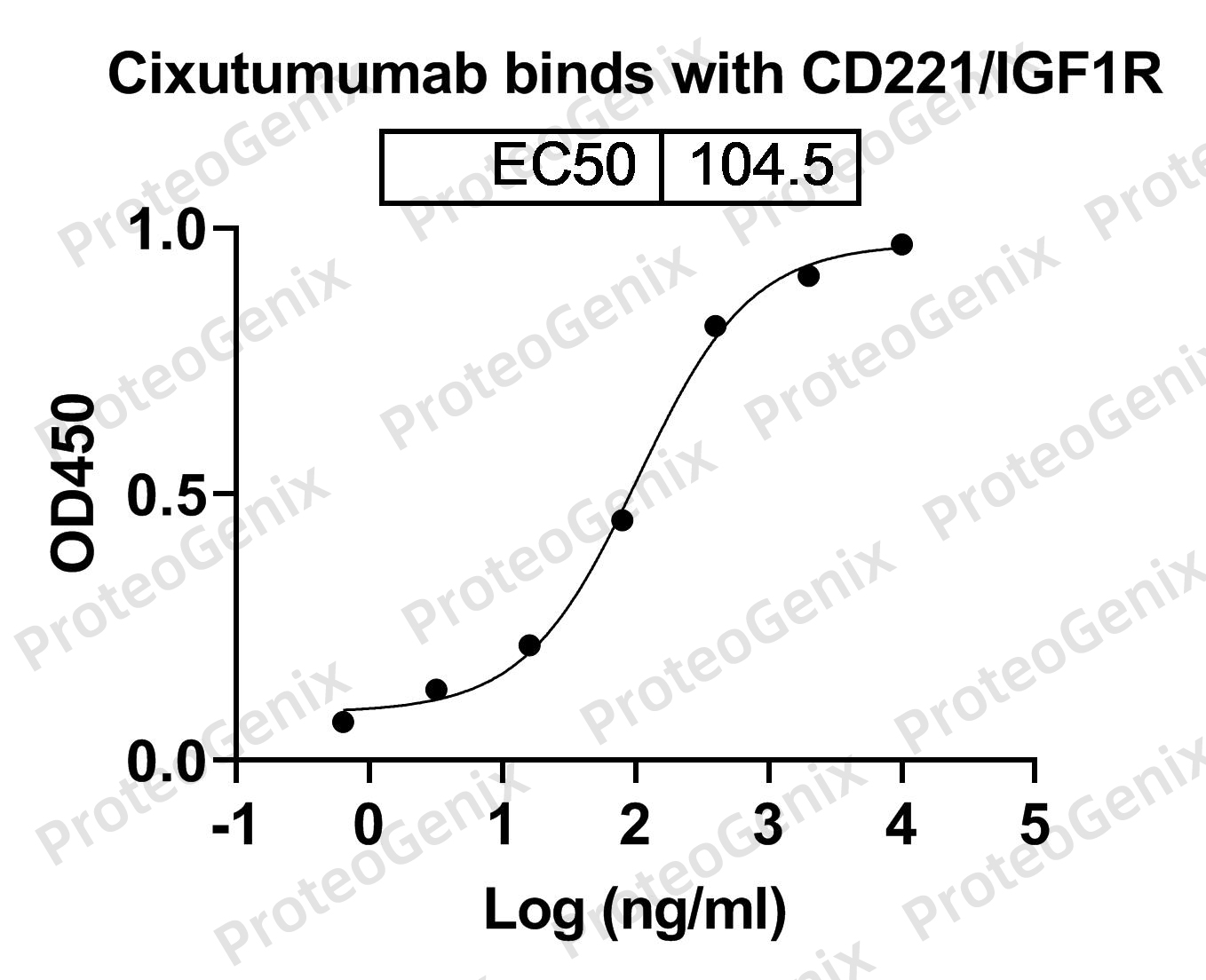
Cixutumumab Biosimilar specifically targets the IGF1R, a transmembrane receptor that is expressed on the surface of many types of cancer cells. This receptor is activated by the binding of insulin-like growth factors (IGF) and plays a crucial role in promoting cell growth and survival. Overexpression of IGF1R has been linked to the development and progression of various types of cancer, making it a promising therapeutic target.
By binding to IGF1R, Cixutumumab Biosimilar inhibits the binding of IGF and blocks the downstream signaling pathways that promote cancer cell growth and survival. This leads to the inhibition of tumor growth and ultimately, cancer cell death. Additionally, Cixutumumab Biosimilar has been shown to enhance the activity of other cancer treatments, such as chemotherapy and radiation therapy, making it a potential combination therapy for cancer treatment.
Potential Applications of Cixutumumab Biosimilar
Cixutumumab Biosimilar is currently being studied in clinical trials for the treatment of various types of cancer, including lung, breast, and prostate cancer. Preliminary results have shown promising anti-tumor activity, with some patients experiencing tumor shrinkage and prolonged survival. It is also being investigated as a potential treatment for pediatric cancers, such as Ewing’s sarcoma and neuroblastoma.
In addition to its potential as a standalone therapy, Cixutumumab Biosimilar is also being studied in combination with other cancer treatments. Preclinical studies have shown that combining Cixutumumab Biosimilar with chemotherapy or radiation therapy can enhance their anti-tumor effects, making it a potential adjuvant therapy for cancer treatment.
Conclusion
Cixutumumab Biosimilar, also known as Anti-IGF1R, CD221 mAb – Research Grade, is a promising antibody that specifically targets the insulin-like growth factor-1 receptor (IGF1R). Its unique structure and mechanism of action make it a potential therapy for various types of cancer. As further research and clinical trials are conducted, Cixutumumab Biosimilar has the potential to become a valuable addition to the arsenal of treatments for cancer patients.

There are no reviews yet.