Introduction
Cepreprubart Biosimilar – Anti-Selectin P ligand mAb – Research Grade is a novel biosimilar antibody that has shown promising results in pre-clinical studies. This therapeutic antibody targets the selectin P ligand, a protein involved in inflammation and immune response. In this article, we will discuss the structure, activity, and potential applications of this biosimilar antibody.
Structure of Cepreprubart Biosimilar
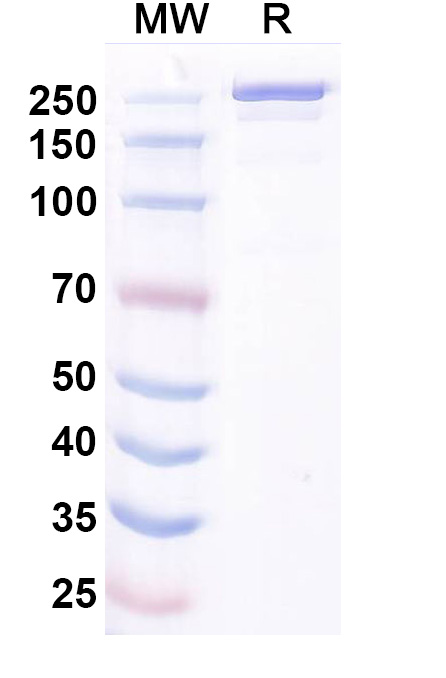
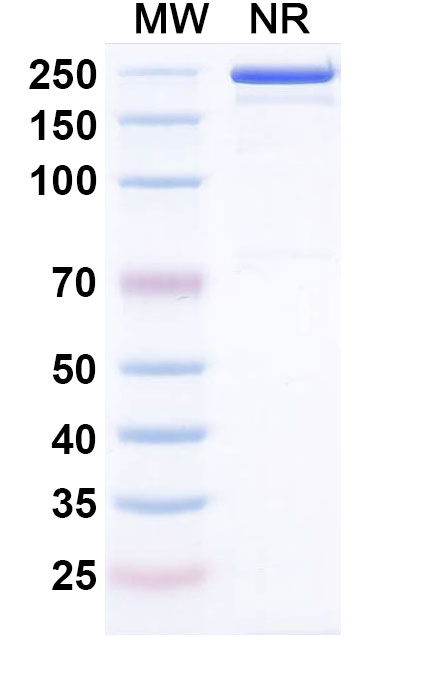
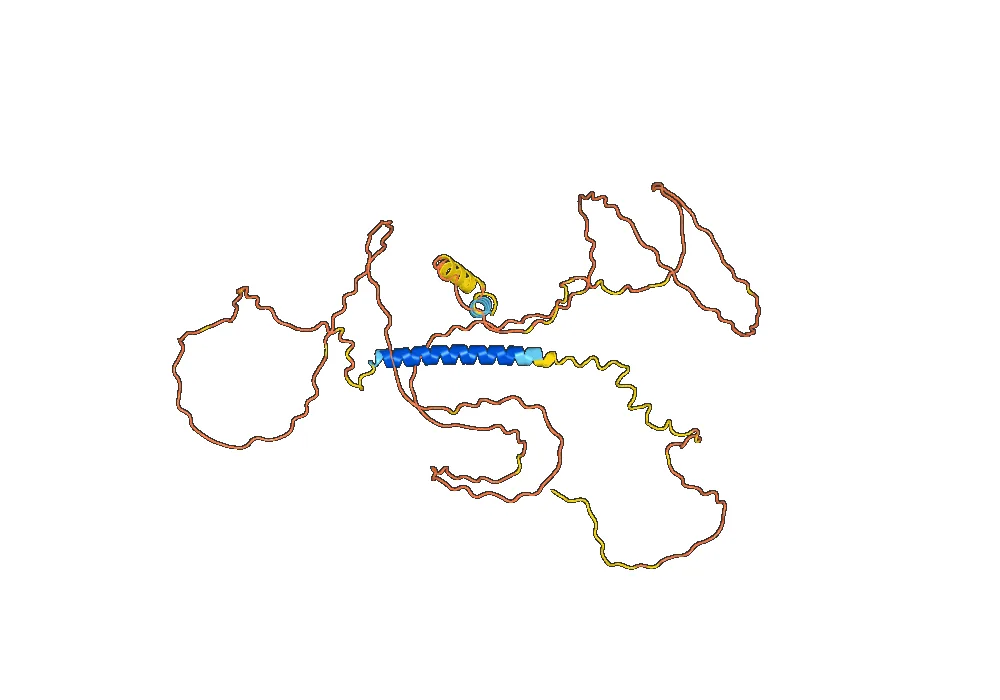
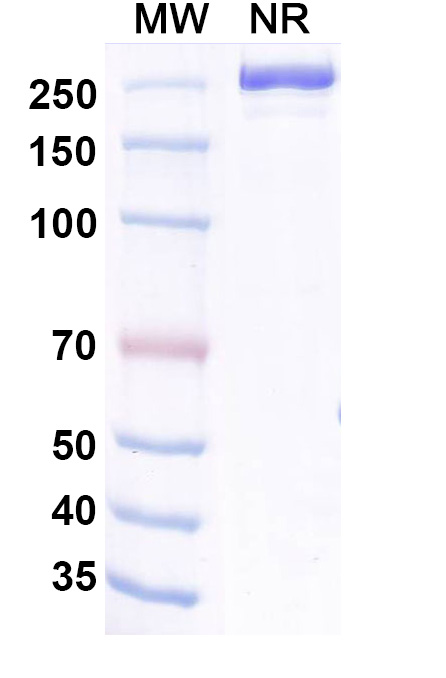
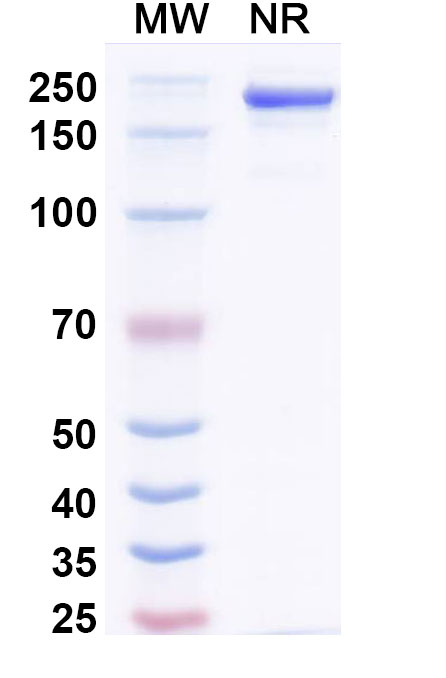
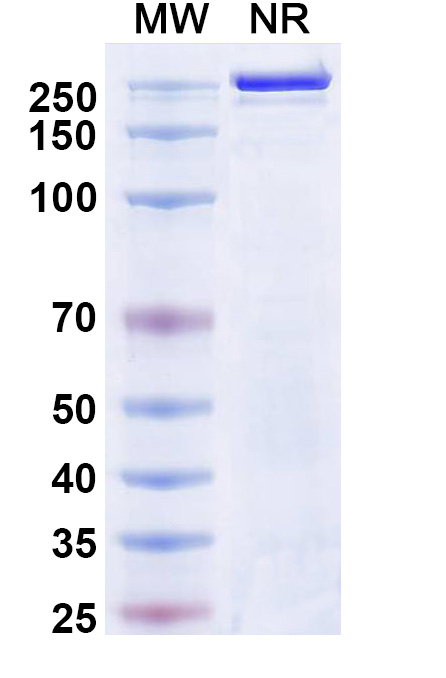
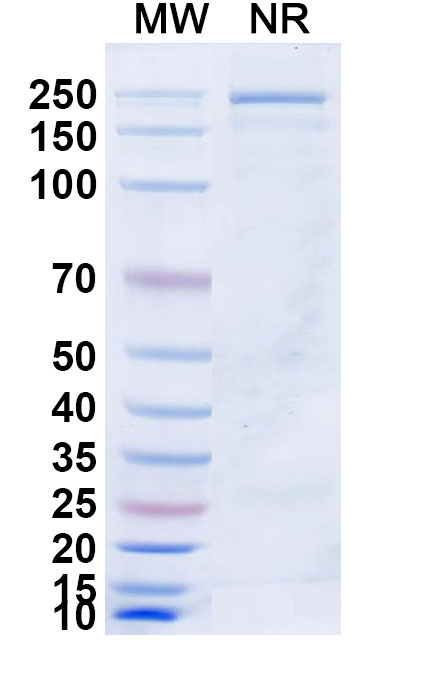
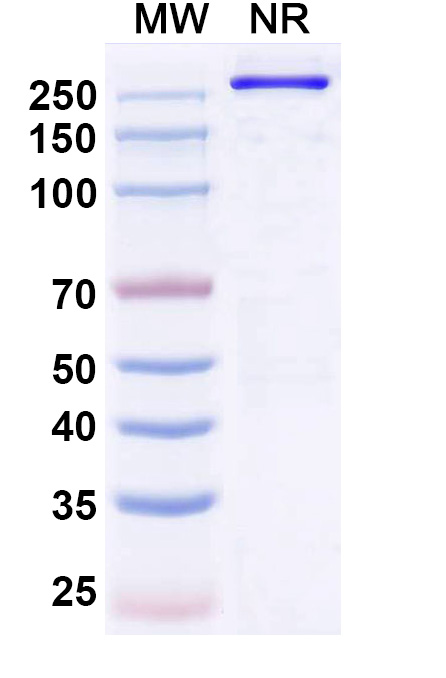
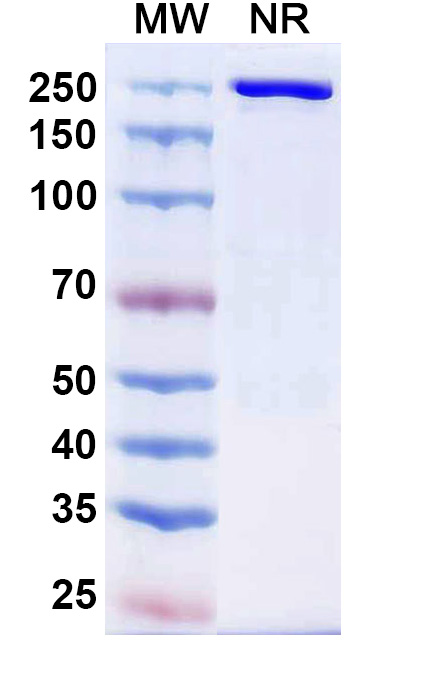
Cepreprubart Biosimilar is a monoclonal antibody (mAb) produced through recombinant DNA technology. It is a biosimilar of a well-known anti-selectin P ligand mAb, with a similar amino acid sequence and glycosylation pattern. The antibody has a molecular weight of approximately 150 kDa, and it is composed of two identical heavy chains and two identical light chains. The heavy chains consist of four constant domains (CH1, CH2, CH3, and CH4) and one variable domain (VH), while the light chains have two constant domains (CL) and one variable domain (VL).
Activity of Cepreprubart Biosimilar
The main target of Cepreprubart Biosimilar is the selectin P ligand, a glycoprotein expressed on the surface of activated leukocytes. This protein plays a crucial role in the recruitment of leukocytes to sites of inflammation and tissue damage. By binding to the selectin P ligand, Cepreprubart Biosimilar blocks the interaction between the ligand and its receptors, thus inhibiting leukocyte adhesion and migration.
In addition to its anti-selectin P ligand activity, Cepreprubart Biosimilar has also been shown to have immunomodulatory effects. It can modulate the function of immune cells, such as T cells and macrophages, and regulate the production of pro-inflammatory cytokines. This dual mechanism of action makes Cepreprubart Biosimilar a promising therapeutic agent for various inflammatory and autoimmune diseases.
Potential Applications of Cepreprubart Biosimilar
Cepreprubart Biosimilar has shown potential in the treatment of various inflammatory and autoimmune diseases, including rheumatoid arthritis, multiple sclerosis, and psoriasis. In pre-clinical studies, it has demonstrated significant efficacy in reducing disease severity and improving clinical symptoms.
In addition to its therapeutic potential, Cepreprubart Biosimilar also has potential applications in research. Its high specificity and affinity for the selectin P ligand make it a valuable tool for studying the role of this protein in inflammation and immune response. It can also be used in diagnostic assays to detect levels of the selectin P ligand in patient samples.
Conclusion
Cepreprubart Biosimilar – Anti-Selectin P ligand mAb – Research Grade is a promising biosimilar antibody with a unique mechanism of action. Its structure, activity, and potential applications make it a valuable therapeutic and research tool for various inflammatory and autoimmune diseases. Further clinical studies are needed to validate its efficacy and safety in humans, but the pre-clinical data is highly encouraging. With the increasing prevalence of inflammatory and autoimmune diseases, Cepreprubart Biosimilar has the potential to make a significant impact in the field of biomedicine.
There are no reviews yet.