Introduction
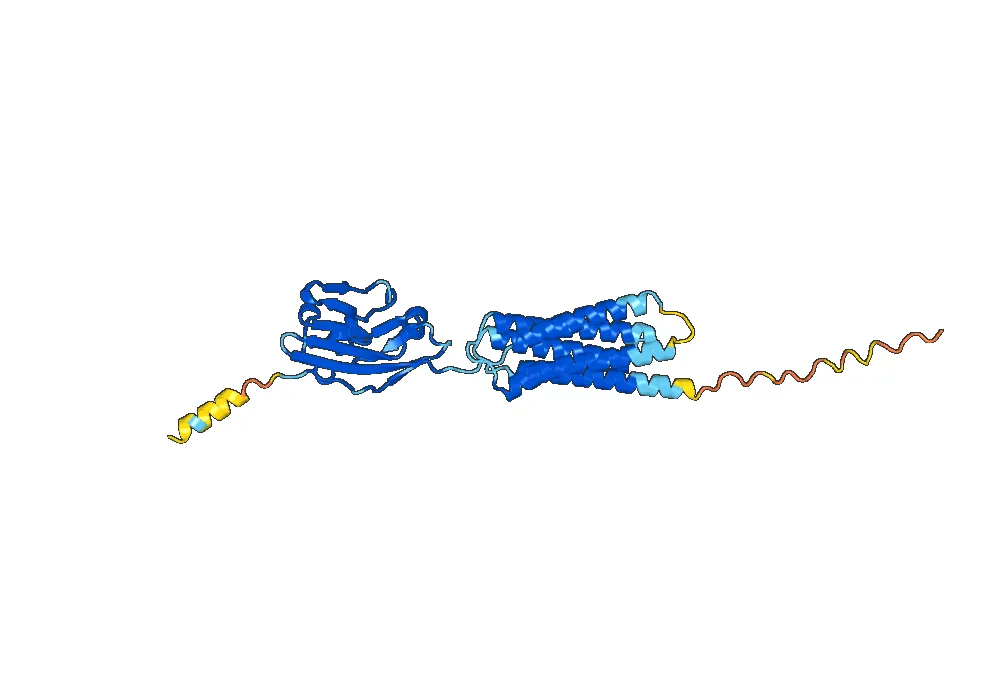
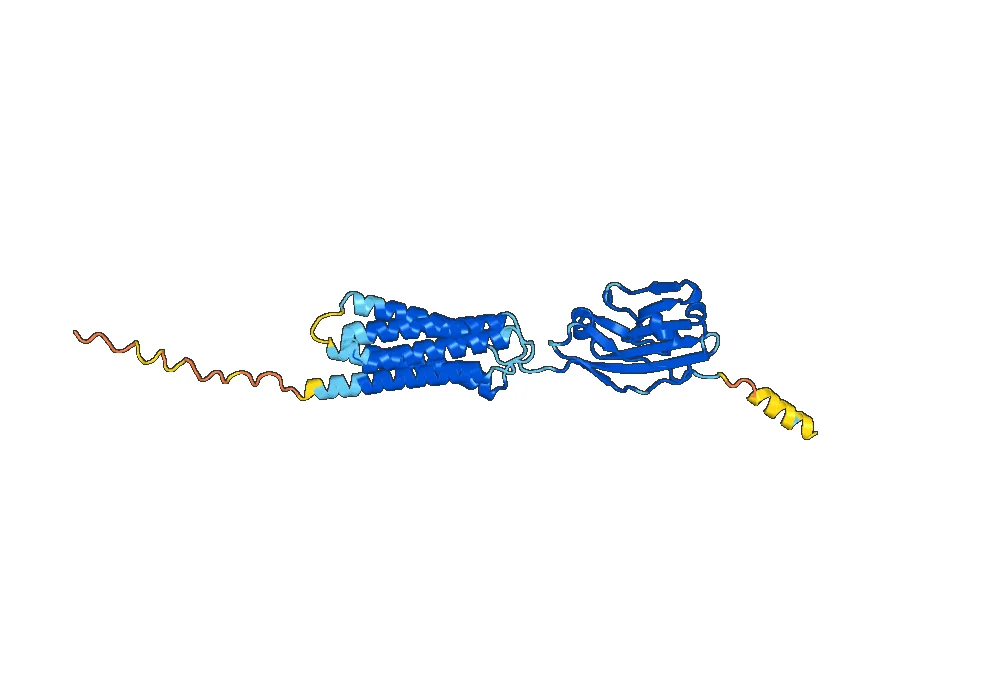
CC-90002 Biosimilar is a monoclonal antibody (mAb) that targets the leukocyte surface antigen CD47. This biosimilar is a research grade version of an already approved therapeutic antibody, with the potential to offer similar benefits at a lower cost. In this article, we will explore the structure, activity and potential applications of CC-90002 Biosimilar.
Structure of CC-90002 Biosimilar
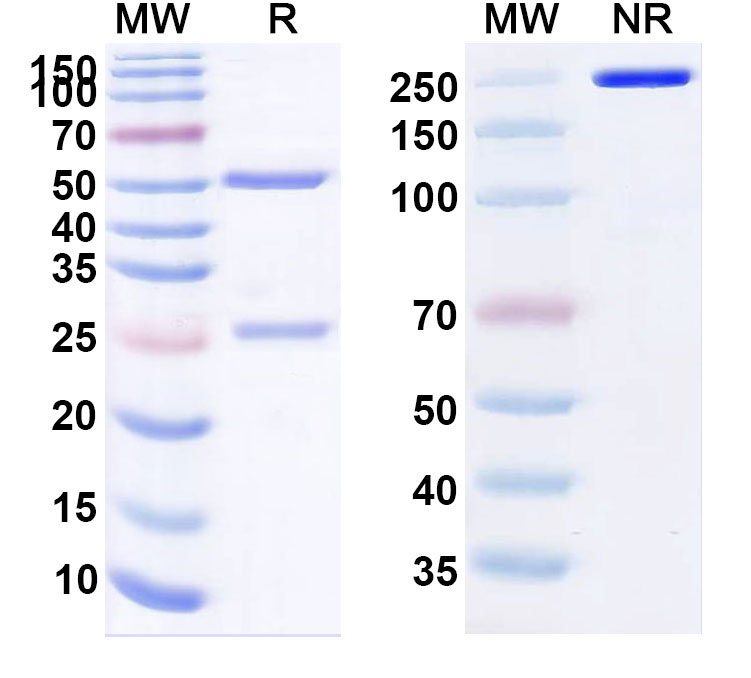
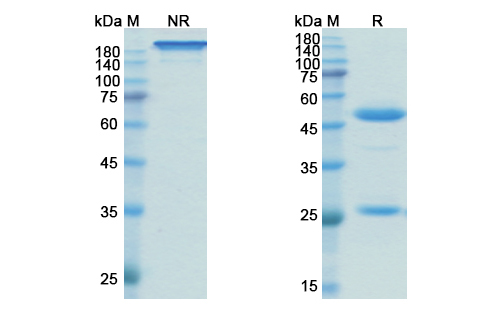
CC-90002 Biosimilar is a recombinant humanized IgG1 monoclonal antibody, meaning it is a human antibody with a small portion of mouse antibody sequence. It is composed of two heavy chains and two light chains, connected by disulfide bonds. The heavy chains contain the antigen-binding region, while the light chains are responsible for effector functions such as binding to immune cells and activating complement.
Activity of CC-90002 Biosimilar
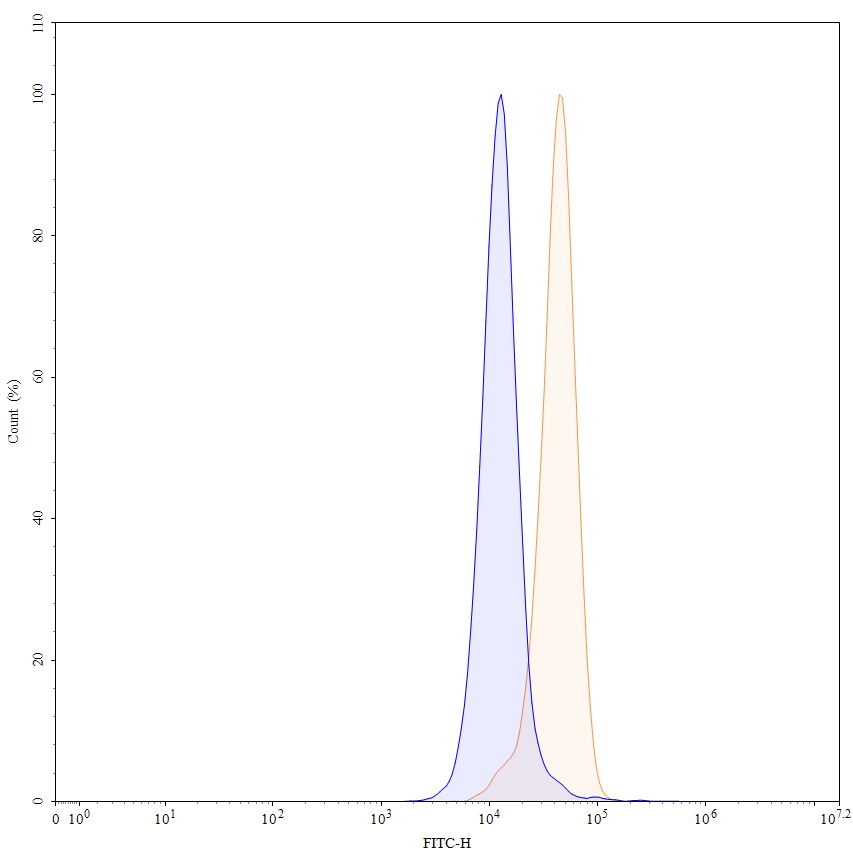
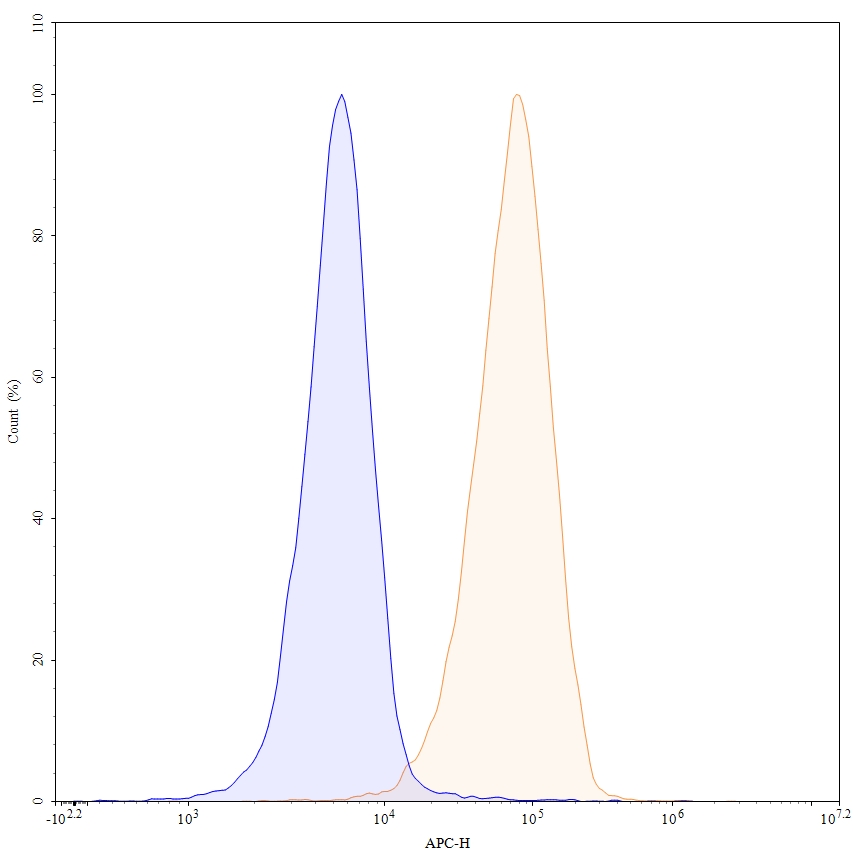
The primary target of CC-90002 Biosimilar is CD47, a protein that is widely expressed on the surface of leukocytes (white blood cells). CD47 acts as a “don’t eat me” signal, preventing phagocytosis (cellular ingestion) by macrophages. This is a key mechanism used by cancer cells to evade the immune system and promote tumor growth. By targeting CD47, CC-90002 Biosimilar can block this signal and enhance the phagocytic activity of macrophages, leading to the destruction of cancer cells.
In addition to its anti-CD47 activity, CC-90002 Biosimilar also has the potential to activate immune effector cells such as natural killer cells and T cells, further enhancing its anti-tumor effects. It has also been shown to have anti-angiogenic properties, inhibiting the formation of new blood vessels that are necessary for tumor growth and metastasis.
Applications of CC-90002 Biosimilar
The primary application of CC-90002 Biosimilar is in the treatment of cancer. CD47 is overexpressed on the surface of many types of cancer cells, making it a promising therapeutic target. Preclinical studies have shown that CC-90002 Biosimilar can effectively inhibit tumor growth and promote tumor regression in various types of cancer, including solid tumors and hematological malignancies.
In addition to its potential as a standalone therapy, CC-90002 Biosimilar also has the potential to be used in combination with other cancer treatments. For example, combining it with chemotherapy or radiation therapy may enhance their effectiveness by promoting the recognition and destruction of cancer cells by the immune system.
Furthermore, CC-90002 Biosimilar may have applications in other diseases where CD47 is implicated, such as autoimmune disorders and cardiovascular diseases. Its ability to modulate immune responses and inhibit angiogenesis may also have potential in treating inflammatory diseases.
Conclusion
In summary, CC-90002 Biosimilar is a research grade monoclonal antibody that targets the leukocyte surface antigen CD47. Its structure and activity make it a promising candidate for the treatment of cancer and other diseases. Further research and clinical trials are needed to fully evaluate its potential as a therapeutic option. However, its lower cost as a biosimilar may make it a more accessible treatment option for patients in need.




There are no reviews yet.