Introduction to Bapineuzumab Biosimilar – Anti-APP Abeta mAb – Research Grade Bapineuzumab Biosimilar – Anti-APP Abeta mAb – Research Grade is a monoclonal antibody that has been developed as a potential treatment for Alzheimer’s disease. This biosimilar is designed to target amyloid-beta (Abeta) protein, which is believed to play a crucial role in the development and progression of Alzheimer’s disease. In this article, we will provide a detailed description of the structure, activity, and potential applications of Bapineuzumab Biosimilar.
Structure of Bapineuzumab Biosimilar
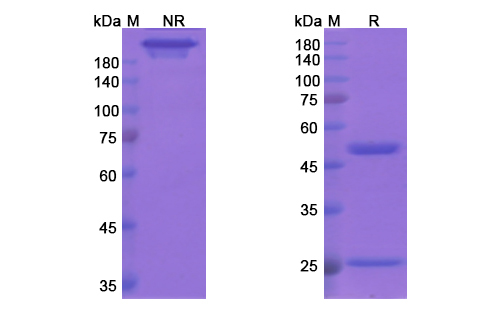
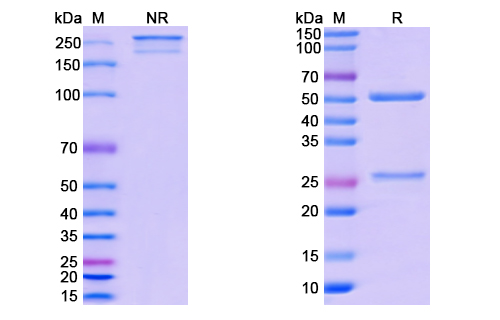
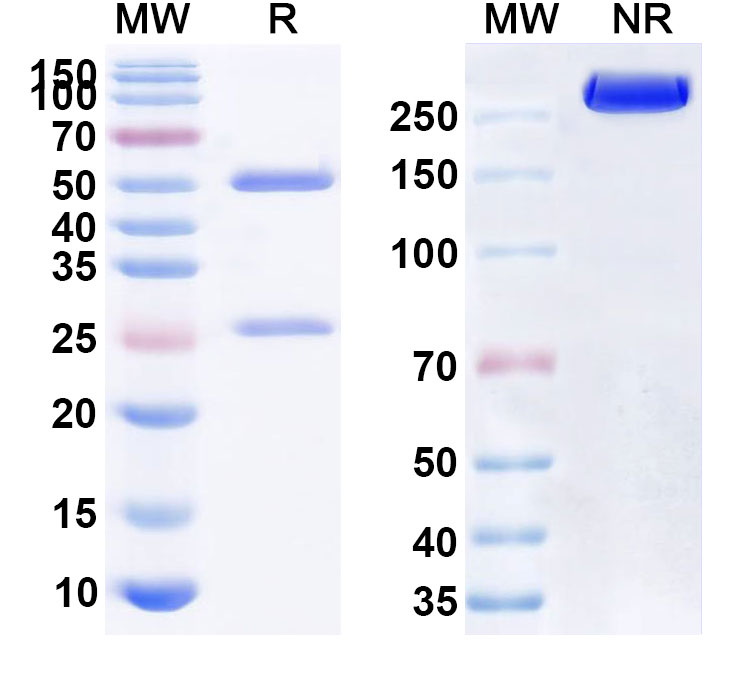
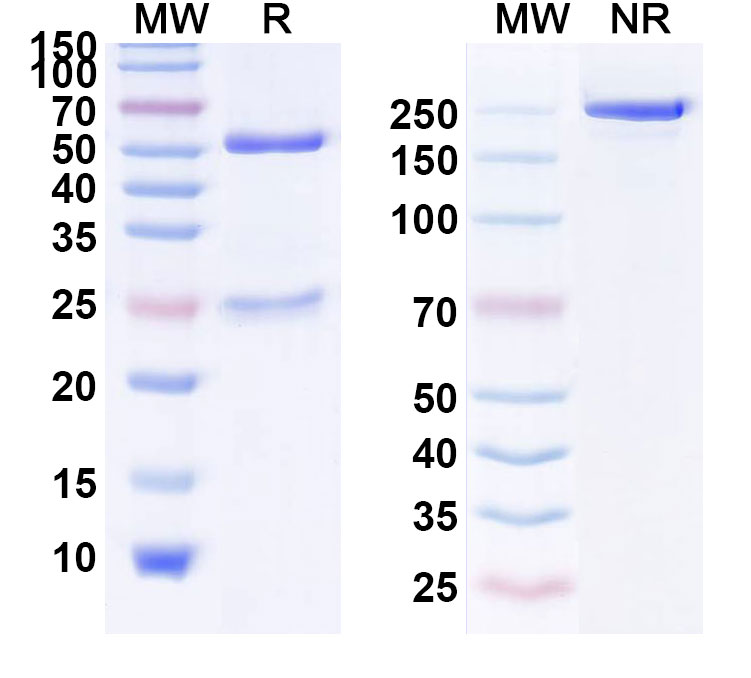
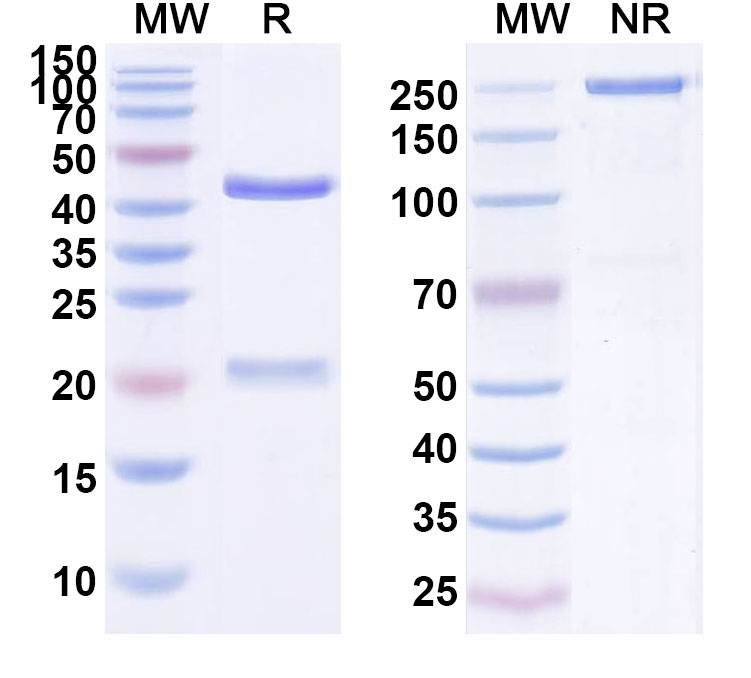
Bapineuzumab Biosimilar is a monoclonal antibody that is produced by recombinant DNA technology. It is a humanized antibody, meaning that it is derived from non-human sources but has been modified to resemble a human antibody. The antibody is composed of two identical heavy chains and two identical light chains, which are linked together by disulfide bonds. The heavy and light chains contain variable regions that are responsible for binding to the target protein, Abeta.
Activity of Bapineuzumab Biosimilar
Bapineuzumab Biosimilar works by binding to and neutralizing Abeta protein, which is known to form toxic plaques in the brains of Alzheimer’s patients. These plaques are believed to contribute to the cognitive decline and memory loss associated with the disease. By targeting and binding to Abeta, Bapineuzumab Biosimilar prevents the formation of these plaques and may slow down the progression of Alzheimer’s disease.
In addition to targeting Abeta, Bapineuzumab Biosimilar also has an immunomodulatory effect. It has been shown to activate the immune system and stimulate the production of anti-inflammatory cytokines, which may help to reduce inflammation in the brain. This is important as chronic inflammation has been linked to the development of Alzheimer’s disease.
Potential Applications of Bapineuzumab Biosimilar
Bapineuzumab Biosimilar is currently being investigated as a potential treatment for Alzheimer’s disease. It is believed that by targeting Abeta, this biosimilar may slow down the progression of the disease and improve cognitive function in patients. Clinical trials have shown promising results, with some patients showing improvements in cognitive function and a reduction in the size of Abeta plaques.
Aside from its potential as a therapeutic treatment, Bapineuzumab Biosimilar also has potential applications in research. It can be used as a tool to study the role of Abeta in Alzheimer’s disease and to better understand the mechanisms of action of this biosimilar. Additionally, Bapineuzumab Biosimilar can be used to develop diagnostic tests for early detection of Alzheimer’s disease.
Conclusion
In conclusion, Bapineuzumab Biosimilar – Anti-APP Abeta mAb – Research Grade is a monoclonal antibody that has been developed as a potential treatment for Alzheimer’s disease. It works by targeting and neutralizing Abeta protein, which is believed to play a crucial role in the development and progression of the disease. This biosimilar has shown promising results in clinical trials and also has potential applications in research. With further studies and development, Bapineuzumab Biosimilar may offer a new treatment option for Alzheimer’s disease and contribute to a better understanding of this debilitating condition.


There are no reviews yet.