Altumomab Biosimilar – Anti-CEACAM5, CD66e mAb: A Promising Antibody for Targeting CEACAM5 in
Cancer Therapy Introduction
Altumomab Biosimilar, also known as Anti-CEACAM5, CD66e mAb, is a monoclonal antibody that has been developed as a biosimilar to the original Altumomab antibody. This biosimilar has been designed to target the carcinoembryonic antigen-related cell adhesion molecule 5 (CEACAM5), also known as CD66e, which is a glycoprotein that is overexpressed in various types of cancer. In this article, we will discuss the structure, activity, and potential applications of Altumomab Biosimilar in cancer research.
Structure of Altumomab Biosimilar
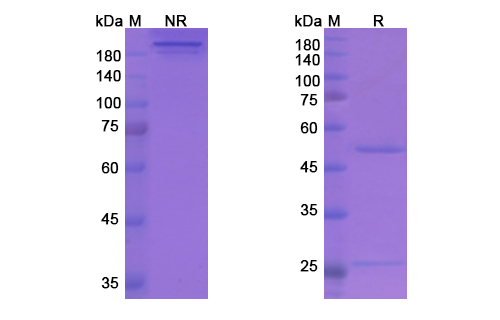
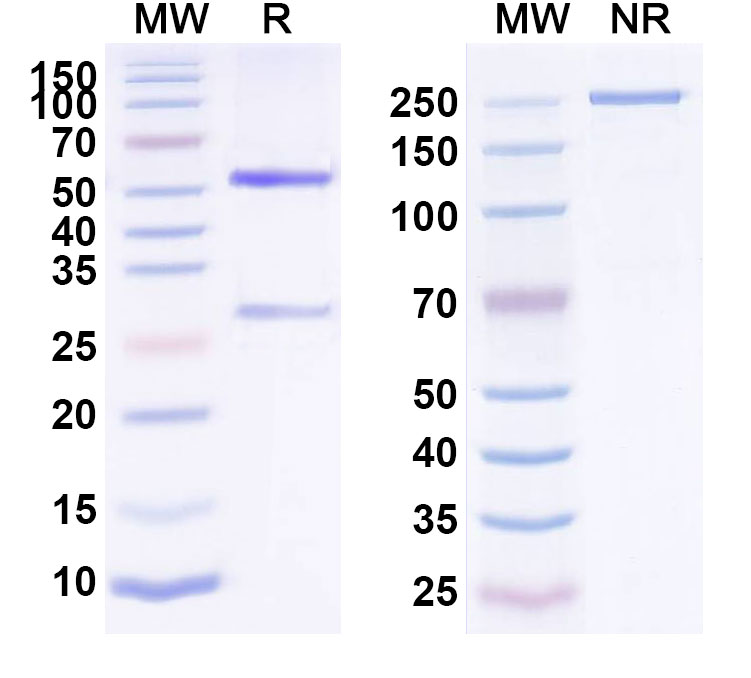
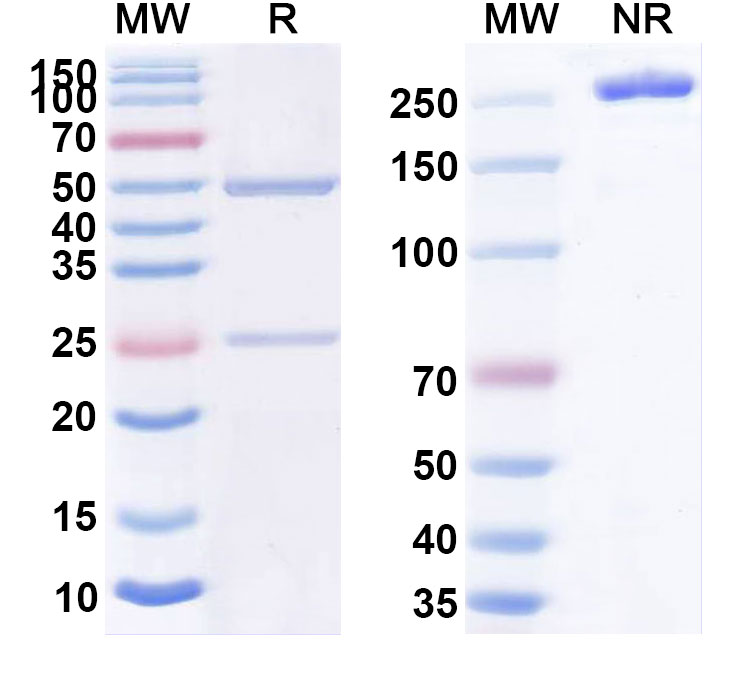
Altumomab Biosimilar is a recombinant humanized IgG1 monoclonal antibody that has been engineered to have a high binding affinity for CEACAM5. It is composed of two heavy chains and two light chains, each with a molecular weight of approximately 50 kDa. The heavy chains consist of four constant domains (CH1, CH2, CH3, and CH4) and one variable domain (VH), while the light chains have two constant domains (CL and CL1) and one variable domain (VL). The variable domains of Altumomab Biosimilar have been derived from the original Altumomab antibody, while the constant domains have been modified to minimize immunogenicity and enhance stability.
Mechanism of Action
Altumomab Biosimilar works by binding to CEACAM5, which is a cell surface glycoprotein that is overexpressed in various types of cancer, including colorectal, lung, and breast cancer. CEACAM5 is involved in cell adhesion, proliferation, and migration, and its overexpression has been linked to tumor growth and metastasis. By binding to CEACAM5, Altumomab Biosimilar blocks its function and triggers an immune response against cancer cells, leading to their destruction.
Potential Applications
Altumomab Biosimilar has shown promising results in preclinical studies as a potential therapeutic agent for various types of cancer. It has been shown to inhibit tumor growth and metastasis in animal models of colorectal, lung, and breast cancer. In addition, Altumomab Biosimilar has also been investigated as a potential imaging agent for the detection and monitoring of CEACAM5-positive tumors.
Clinical Trials
Altumomab Biosimilar is currently in the preclinical stage of development, and no clinical trials have been conducted yet. However, it has been granted orphan drug designation by the US Food and Drug Administration (FDA) for the treatment of colorectal cancer, which could expedite its development and approval process.
Conclusion
Altumomab Biosimilar, also known as Anti-CEACAM5, CD66e mAb, is a promising antibody that has been designed to target CEACAM5, a glycoprotein that is overexpressed in various types of cancer. With its high binding affinity and potential to trigger an immune response against cancer cells, Altumomab Biosimilar could be a valuable addition to the arsenal of cancer therapeutics. Further preclinical and clinical studies are needed to fully evaluate its safety and efficacy and bring this biosimilar to the market for the benefit of cancer patients.


There are no reviews yet.