Introduction
Azintuxizumab Biosimilar, also known as Anti-SLAMF7, CRACC, CD319 mAb, is a monoclonal antibody that targets the SLAMF7 protein. This protein is expressed on the surface of multiple myeloma cells and plays a crucial role in the survival and proliferation of these cancer cells. Azintuxizumab Biosimilar is a promising therapeutic option for the treatment of multiple myeloma and other hematological malignancies. In this article, we will explore the structure, activity, and potential applications of this antibody.
Structure of Azintuxizumab Biosimilar
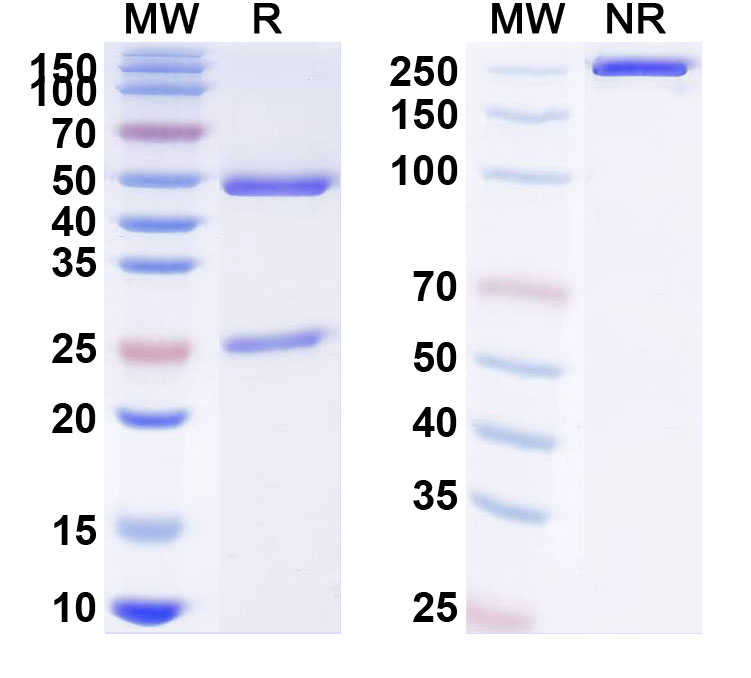
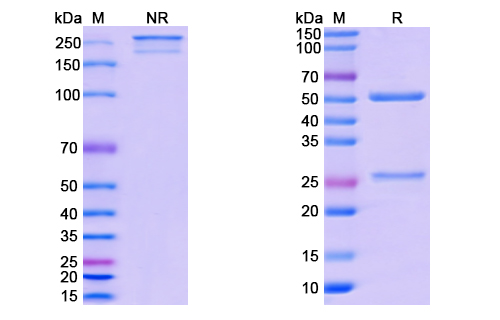
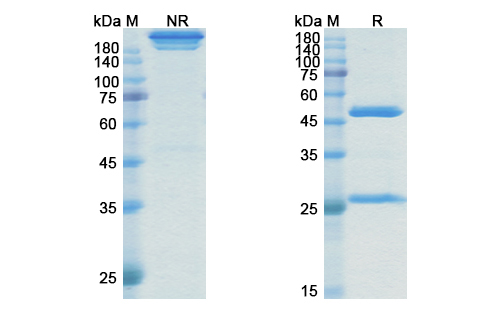
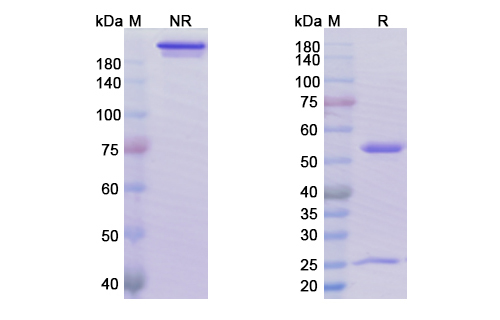
Azintuxizumab Biosimilar is a fully humanized IgG1 monoclonal antibody, meaning that it is derived from human cells and has a single subtype of antibody molecule. It is composed of two heavy chains and two light chains, each with a variable and a constant region. The variable region is responsible for binding to the target protein, SLAMF7, while the constant region is responsible for effector functions such as complement activation and antibody-dependent cellular cytotoxicity (ADCC).
Activity of Azintuxizumab Biosimilar
Azintuxizumab Biosimilar specifically targets the SLAMF7 protein, which is overexpressed on the surface of multiple myeloma cells. This protein is involved in cell signaling pathways that promote the survival and proliferation of cancer cells. By binding to SLAMF7, Azintuxizumab Biosimilar blocks these signaling pathways, leading to inhibition of cell growth and induction of cell death. Additionally, the antibody can also activate the immune system to attack and destroy cancer cells through ADCC.
Potential Applications of Azintuxizumab Biosimilar
Azintuxizumab Biosimilar has shown promising results in preclinical and clinical studies for the treatment of multiple myeloma and other hematological malignancies. In a phase I clinical trial, it demonstrated a favorable safety profile and showed encouraging anti-tumor activity in patients with relapsed or refractory multiple myeloma. It has also shown potential in combination with other anti- cancer therapies, such as proteasome inhibitors and immunomodulatory drugs.
In addition to its use as a therapeutic agent, Azintuxizumab Biosimilar also has potential applications in research. Its ability to specifically target SLAMF7 makes it a valuable tool for studying the role of this protein in cancer development and progression. It can also be used to investigate the mechanisms of action of other anti- cancer drugs and to identify potential biomarkers for response to treatment.
Conclusion
In summary, Azintuxizumab Biosimilar is a promising monoclonal antibody that targets the SLAMF7 protein and has shown potential in the treatment of multiple myeloma and other hematological malignancies. Its unique structure and activity make it a valuable therapeutic and research tool. Further studies and clinical trials are needed to fully evaluate its efficacy and safety, but it holds great promise as a novel therapeutic option for cancer patients.



There are no reviews yet.