Introduction
Anti-Human EPO Antibody (SAA0420) is a monoclonal antibody that specifically targets and binds to human erythropoietin (EPO). EPO is a hormone that plays a crucial role in the production of red blood cells and is primarily produced by the kidneys. This antibody has been extensively studied and has shown promising results in both therapeutic and research settings. In this article, we will discuss the structure, activity, and potential applications of Anti-Human EPO Antibody.
Structure of Anti-Human EPO Antibody
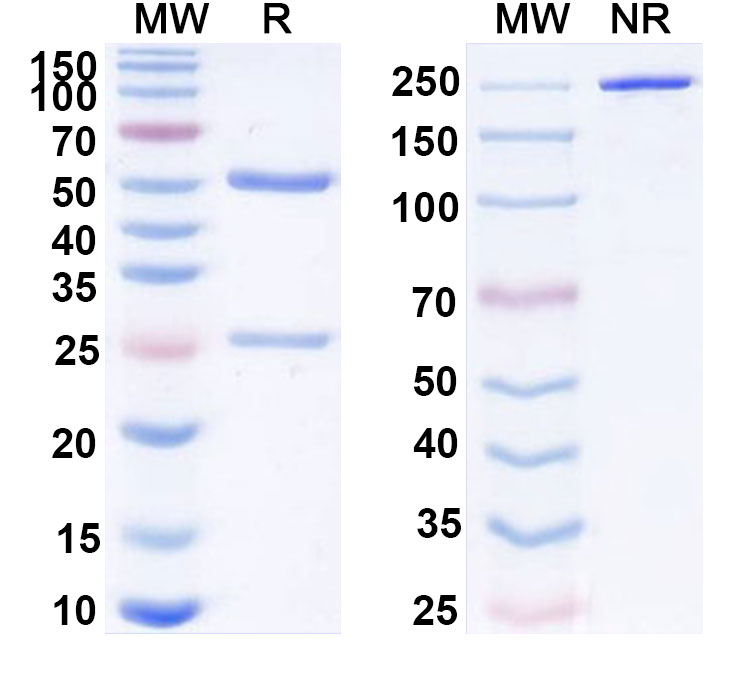
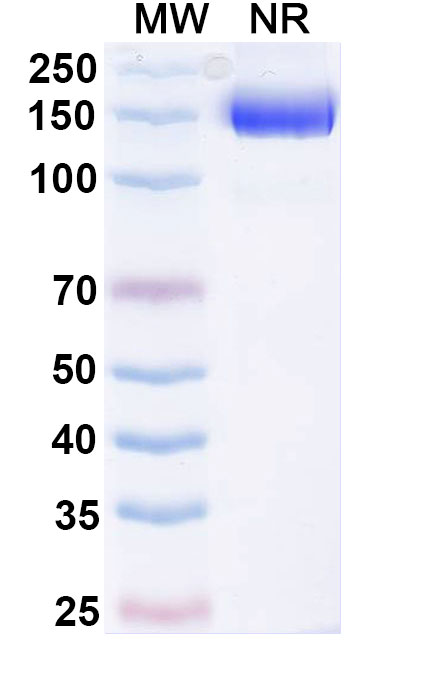
Anti-Human EPO Antibody is a monoclonal antibody, meaning it is produced by a single type of immune cell and is identical in structure and function. It is composed of two heavy chains and two light chains, which are connected by disulfide bonds. The antibody has a Y-shaped structure, with the two arms of the Y binding specifically to EPO.
Activity of Anti-Human EPO Antibody
The main activity of Anti-Human EPO Antibody is to bind to EPO and prevent it from interacting with its receptor. EPO is essential for the survival and maturation of red blood cells, and its binding to the EPO receptor triggers a signaling cascade that leads to the production of new red blood cells. By binding to EPO, Anti-Human EPO Antibody blocks this signaling pathway and prevents the production of new red blood cells.
Therapeutic Target
Anti-Human EPO Antibody has been identified as a potential therapeutic target for various conditions related to erythropoietin, such as anemia and polycythemia. Anemia is a condition characterized by a decrease in the number of red blood cells, and EPO is commonly used to treat anemia by stimulating the production of new red blood cells. However, in certain conditions, such as cancer and chronic kidney disease, EPO levels can become too high, leading to a condition known as polycythemia. In these cases, Anti-Human EPO Antibody can be used to block the effects of EPO and prevent the overproduction of red blood cells.
Research Use
In addition to its potential therapeutic applications, Anti-Human EPO Antibody is also widely used in research. It is commonly used in experiments to study the role of EPO in various biological processes and diseases. For example, researchers may use this antibody to block EPO signaling and observe the effects on red blood cell production or to study the effects of EPO on other cell types.
Potential Applications
Apart from its role as a therapeutic target and research tool, Anti-Human EPO Antibody has other potential applications. One such application is in doping control. EPO has been used as a performance-enhancing drug in sports, and Anti-Human EPO Antibody can be used to detect the presence of exogenous EPO in athletes’ blood samples.
Another potential application is in the treatment of autoimmune diseases. EPO has been shown to have anti-inflammatory effects, and Anti-Human EPO Antibody may be able to mimic these effects by blocking EPO signaling.
Conclusion
In summary, Anti-Human EPO Antibody (SAA0420) is a monoclonal antibody that specifically targets and binds to human erythropoietin. It has a Y-shaped structure and its main activity is to block EPO signaling. This antibody has potential therapeutic applications in conditions related to EPO and is also widely used in research. With its diverse applications, Anti-Human EPO Antibody is a valuable tool in the study and treatment of various diseases.



There are no reviews yet.