Introduction
Anti-CLDN18.2 biosimilar, also known as anti-Claudin18.2 monoclonal antibody (mAb), is a promising therapeutic agent that targets the Claudin18.2 protein. This protein is highly expressed in various types of cancer, making it a potential target for cancer treatment. In this article, we will discuss the structure, activity, and potential applications of Anti-CLDN18.2 biosimilar.
Structure of Anti-CLDN18.2 Biosimilar
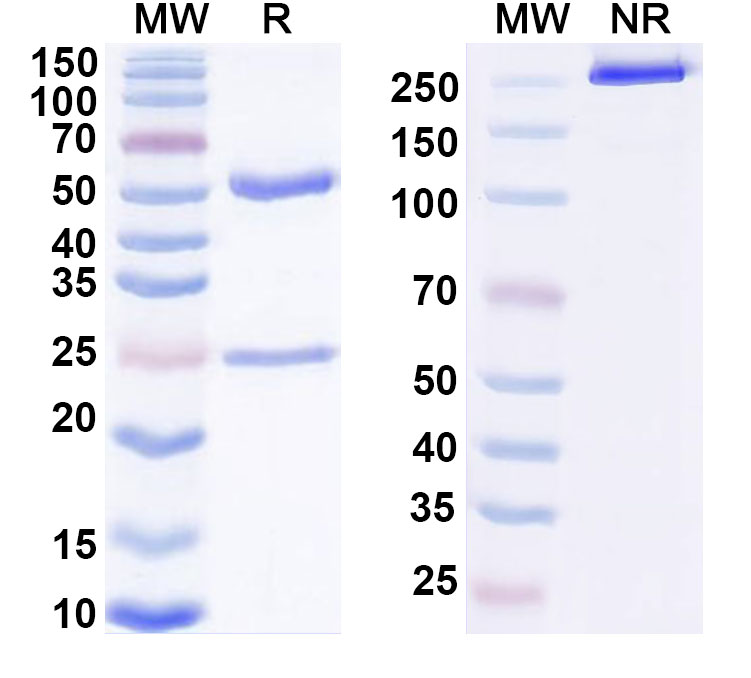
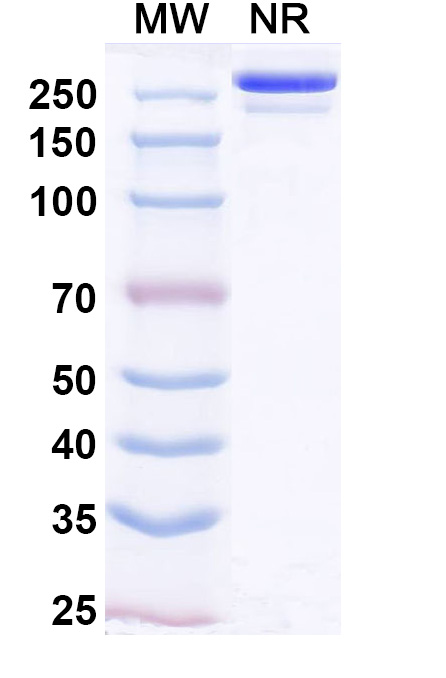
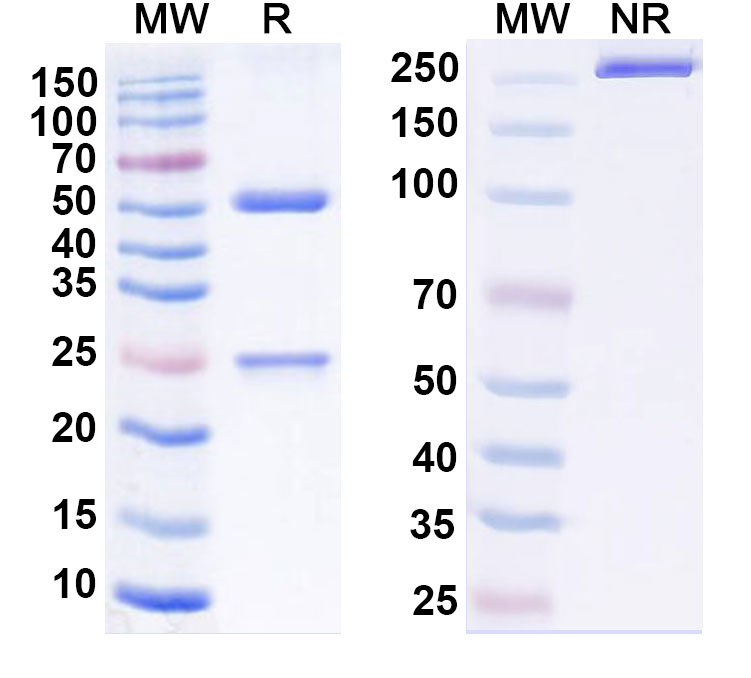
Anti-CLDN18.2 biosimilar is a type of monoclonal antibody, which is a laboratory-produced protein that mimics the natural antibodies produced by the immune system. It is composed of two heavy chains and two light chains, with each chain containing variable and constant regions. The variable regions are responsible for binding to the target protein, while the constant regions determine the antibody’s function.
Activity of Anti-CLDN18.2 Biosimilar
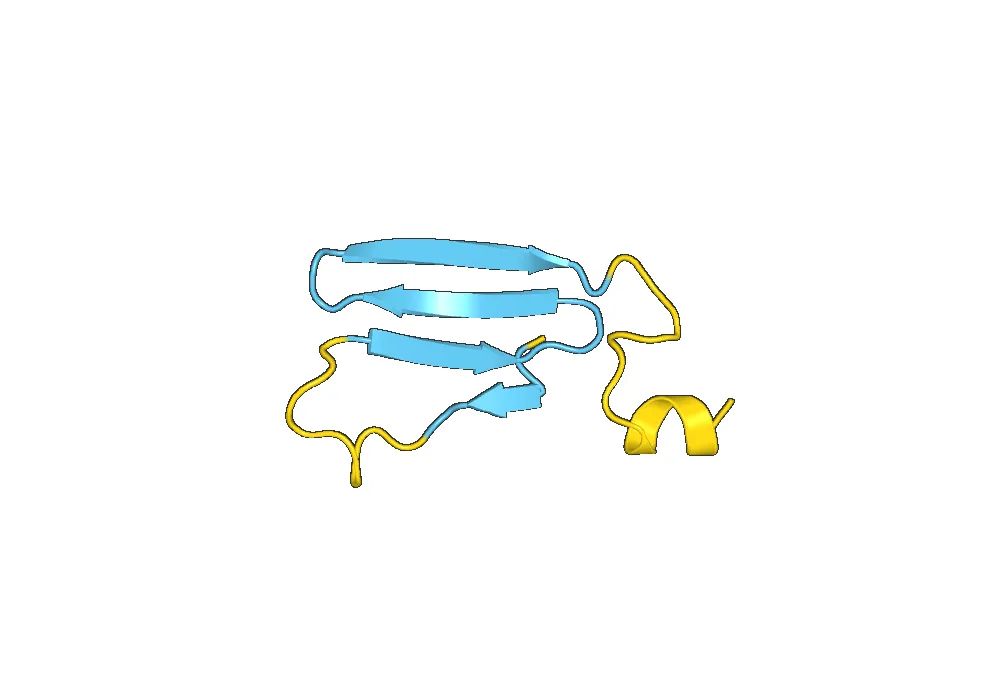
Anti-CLDN18.2 biosimilar specifically targets the Claudin18.2 protein, which is a component of tight junctions between cells. These tight junctions play a crucial role in maintaining the integrity and function of epithelial tissues. In cancer cells, Claudin18.2 is overexpressed, leading to the disruption of tight junctions and promoting tumor growth and metastasis.
Anti-CLDN18.2 biosimilar binds to Claudin18.2 on the surface of cancer cells, blocking its function and inhibiting tumor growth. It also activates the immune system to attack and destroy cancer cells. This dual mechanism of action makes Anti-CLDN18.2 biosimilar a potent therapeutic agent for cancer treatment.
Potential Applications of Anti-CLDN18.2 Biosimilar
Anti-CLDN18.2 biosimilar has shown promising results in preclinical studies and is currently being evaluated in clinical trials for the treatment of various types of cancer, including gastric, pancreatic, and lung cancer. It has also shown potential in combination with other cancer therapies, such as chemotherapy and immunotherapy.
In gastric
cancer, Anti-CLDN18.2 biosimilar has been shown to significantly inhibit tumor growth and improve survival rates in animal models. It has also demonstrated efficacy in patients with advanced gastric cancer who have failed previous treatments. In pancreatic cancer, Anti-CLDN18.2 biosimilar has shown promising results in combination with chemotherapy, leading to increased tumor shrinkage and prolonged survival in preclinical studies.
In lung
cancer, Anti-CLDN18.2 biosimilar has shown potential in both small cell and non-small cell lung cancer. It has been shown to inhibit tumor growth and improve survival in animal models of both types of lung cancer. In clinical trials, it has shown promising results in patients with advanced non-small cell lung cancer, with some patients experiencing partial or complete tumor regression.
Conclusion
Anti-CLDN18.2 biosimilar is a promising therapeutic agent that specifically targets the Claudin18.2 protein, which is overexpressed in various types of cancer. Its unique structure and dual mechanism of action make it a potent anti- cancer agent with the potential to improve outcomes for patients with different types of cancer. Further clinical studies are needed to fully evaluate its efficacy and safety, but the initial results are promising. Anti-CLDN18.2 biosimilar has the potential to become an important addition to the arsenal of cancer treatments, providing new hope for patients with limited treatment options.

There are no reviews yet.