Introduction to Anti CD146, MUC18 Biosimilar
Anti CD146, also known as MUC18, is a transmembrane glycoprotein that is expressed on the surface of various cell types, including endothelial cells, melanoma cells, and activated T cells. It is a member of the immunoglobulin superfamily and plays a crucial role in cell adhesion, migration, and proliferation. Due to its involvement in various physiological and pathological processes, CD146 has emerged as a potential therapeutic target for the treatment of various diseases. In this article, we will discuss the structure, activity, and potential applications of Anti CD146, MUC18 Biosimilar – Anti-CD146, MUC18 mAb – Research Grade.
Structure of Anti CD146, MUC18
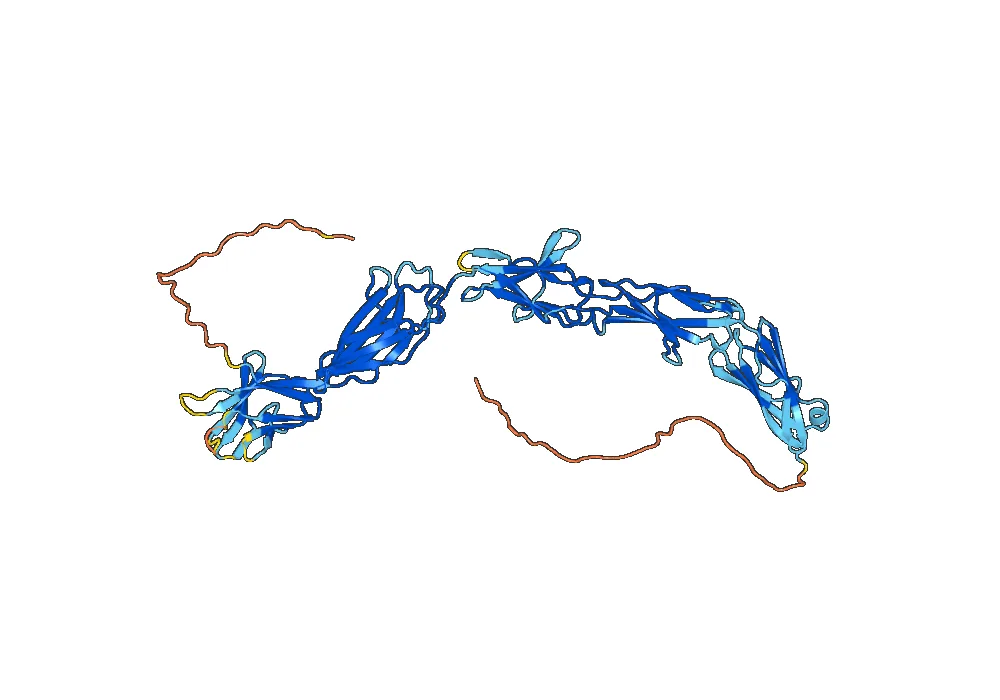
The CD146 protein is composed of 646 amino acids and has a molecular weight of approximately 113 kDa. It consists of an extracellular domain, a transmembrane domain, and a cytoplasmic domain. The extracellular domain contains five immunoglobulin-like domains, which are responsible for its adhesive and signaling functions. The transmembrane domain anchors the protein to the cell membrane, while the cytoplasmic domain interacts with intracellular signaling molecules to regulate cell signaling pathways.
The Anti CD146, MUC18 Biosimilar is a monoclonal antibody (mAb) that specifically binds to the extracellular domain of CD146. It is a recombinant protein produced in a mammalian cell expression system, ensuring high purity and biological activity. The Anti-CD146, MUC18 mAb – Research Grade is available in different formats, such as purified, biotinylated, and fluorescently labeled, to suit various research needs.
Activity of Anti CD146, MUC18
The main function of CD146 is to mediate cell-cell adhesion and regulate cell migration and proliferation. It interacts with other adhesion molecules, such as integrins and cadherins, to promote cell adhesion and migration. Additionally, CD146 is involved in various signaling pathways, including the Wnt/β-catenin and MAPK pathways, to regulate cell proliferation and survival.
The Anti CD146, MUC18 Biosimilar inhibits the activity of CD146 by binding to its extracellular domain, thereby preventing its interaction with other adhesion molecules and disrupting its signaling functions. This can lead to the inhibition of cell adhesion, migration, and proliferation, making it a potential therapeutic agent for various diseases.
Applications of Anti CD146, MUC18
The Anti CD146, MUC18 Biosimilar has shown promising results in preclinical studies as a potential therapeutic agent for various diseases. Some of the potential applications of this antibody include:
Cancer treatment CD146 is highly expressed on the surface of various
cancer cells, including melanoma, breast cancer, and lung cancer. It plays a crucial role in promoting tumor growth, invasion, and metastasis. The Anti CD146, MUC18 Biosimilar has been shown to inhibit tumor growth and metastasis in preclinical models, making it a potential candidate for cancer treatment.
Cardiovascular diseases
CD146 is involved in the regulation of endothelial cell function and angiogenesis. It has been implicated in the development of cardiovascular diseases, such as atherosclerosis and hypertension. The Anti CD146, MUC18 Biosimilar has been shown to inhibit endothelial cell proliferation and angiogenesis, making it a potential therapeutic agent for these diseases.
Inflammatory diseases
CD146 is upregulated on the surface of activated T cells and plays a role in the regulation of T cell activation and migration. It has been implicated in the pathogenesis of various inflammatory diseases, such as rheumatoid arthritis and multiple sclerosis. The Anti CD146, MUC18 Biosimilar has been shown to inhibit T cell activation and migration,

There are no reviews yet.