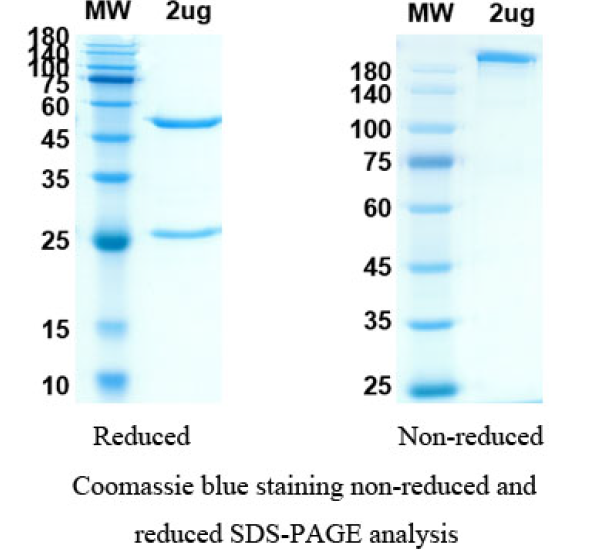
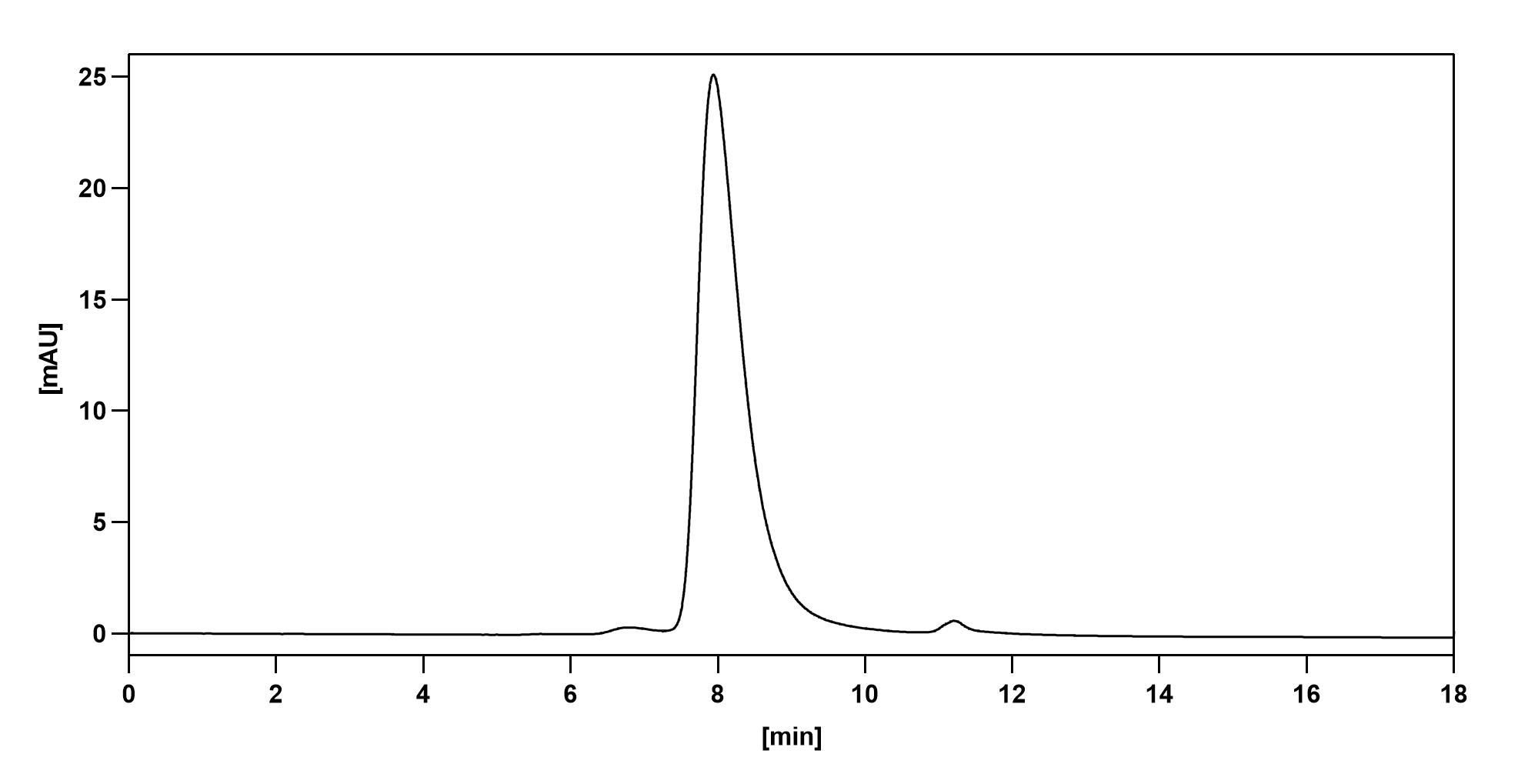
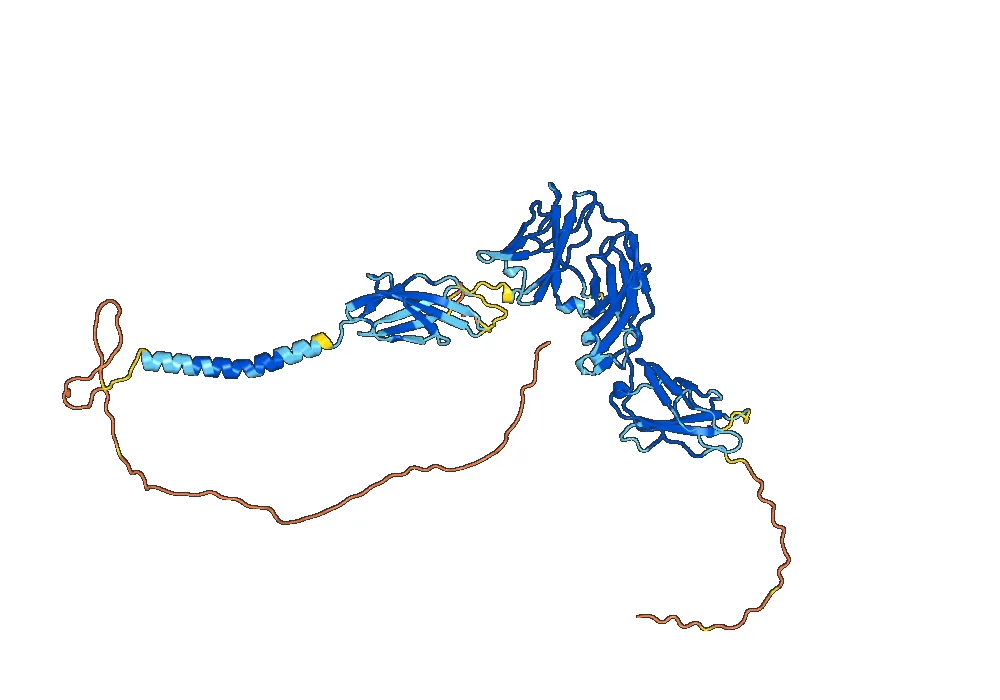
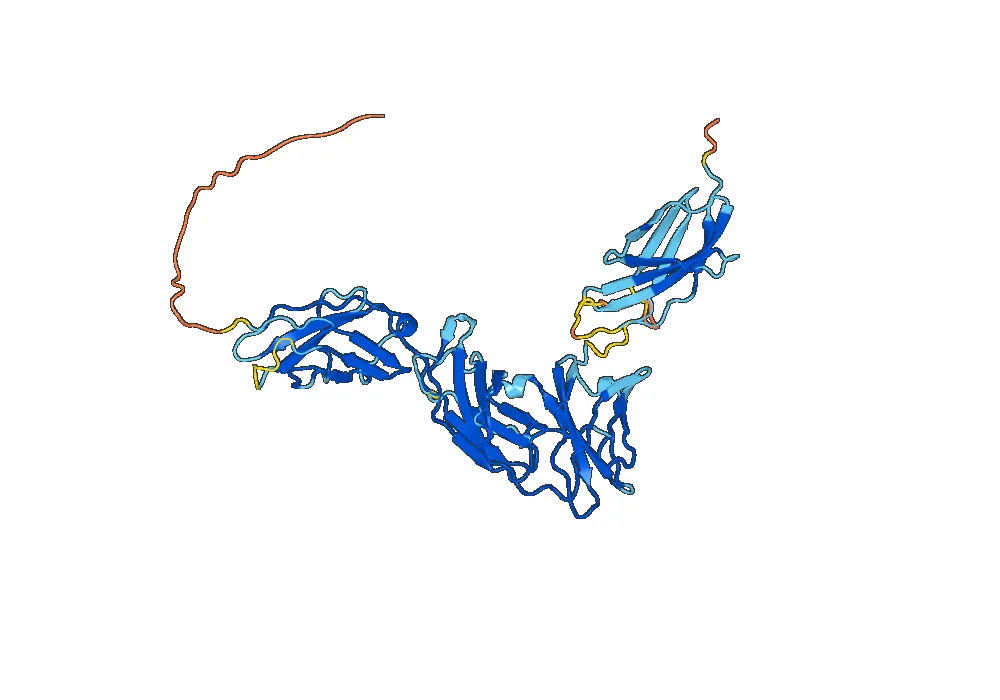
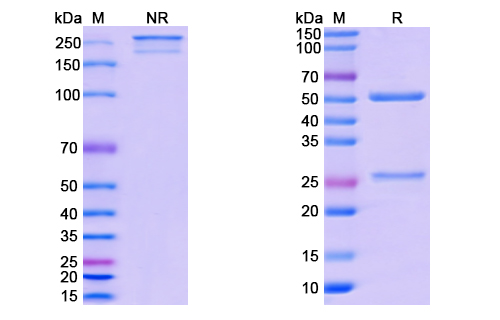
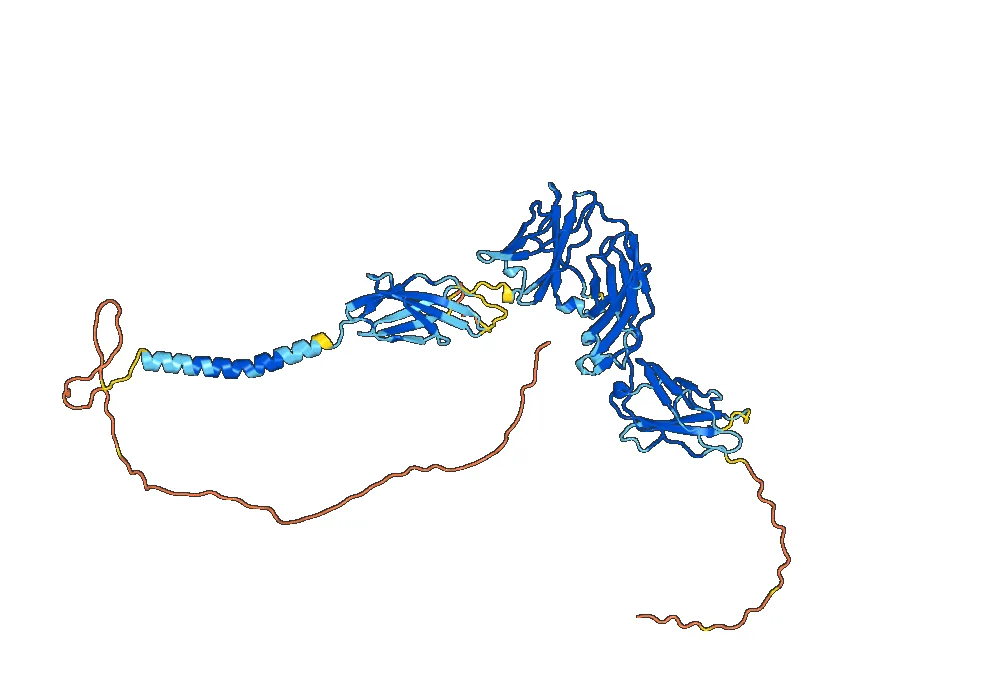
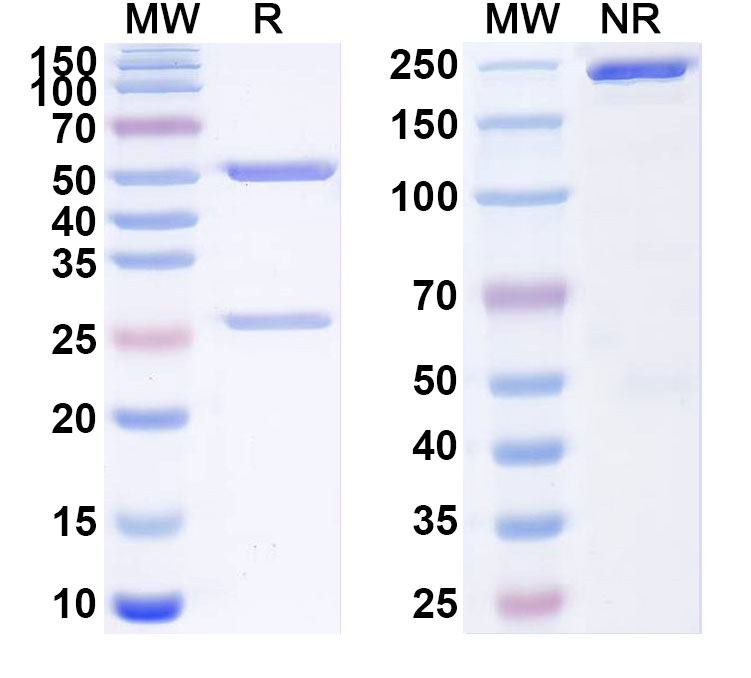
General information on Anti-IFNAR1[Homo sapiens] (Anifrolumab) Monoclonal Antibody
Anifrolumab has been studied to treat Scleroderma. Anifrolumab, or MEDI546, is a human monoclonal antibody of IgG1 type. It is able to bind to interferon (IFN) alpha receptors 1 (IFNAR1). This bond blocks type I IFN signaling. Anifrolumab is carrying three mutations (L234F/L235E/P331S) in the heavy chain. Those mutations aim to reduce the cell surface Fc gamma receptor and potential Fc mediated effector function. Indeed, antibody-dependent cell-mediated cytotoxicity (ADCC) and complement-dependent cytotoxicity (CDC) are mechanisms depending on these parts. Anifrolumab is developed to treat systemic lupus erythematosus (SLE) and lupus nephritis.
About Systemic Lupus Erythematosus (SLE)
SLE is an autoimmune disease which is characterized by its chronicity and mustisystem affections. SLE is evolving by succession of inflammatory phases and remissions. Many evidences are showing the role of type I IFNs in the pathogenesis of this immunologic disease. Increased type I IFN expression and type I IFN-induced cell signalling correlate with SLE severity. Numerous genetic polymorphisms increase susceptibility to SLE by increasing type I IFN signaling.
About interferons
Type I IFNs family includes IFN-α subtypes, IFN-β, IFN-δ, IFN-ε, IFN-κ and IFN-ω. These interferons and their receptors, the IFN alpha receptors 1 (IFNAR1) and 2 (IFNAR2), form a IFNAR complex with specific functions. This complex is leading to tyrosine phosphorylation of signal transducer and activator of transcription 1 (STAT1) and 2 (STAT2). Once phosphorylated, STAT1 and STAT2 translocate with IFN regulatory factor 9 (IRF9) to the nucleus. Then, they drive IFN-stimulated response element (ISRE) activation. ISRE promotes transcription of multiple IFN-stimulated genes: which leads to the production of proinflammatory and immunomodulatory proteins involved in the host innate immune response to viral infection.
There are no reviews yet.