Introduction
Tilvestamab Biosimilar, also known as Anti-AXL mAb, is a novel therapeutic antibody that has shown promising results in the treatment of various cancers. This biosimilar is a highly specific monoclonal antibody that targets the AXL receptor, a protein that is overexpressed in many cancer types. In this article, we will discuss the structure, activity, and potential applications of Tilvestamab Biosimilar in cancer treatment.
Structure of Tilvestamab Biosimilar
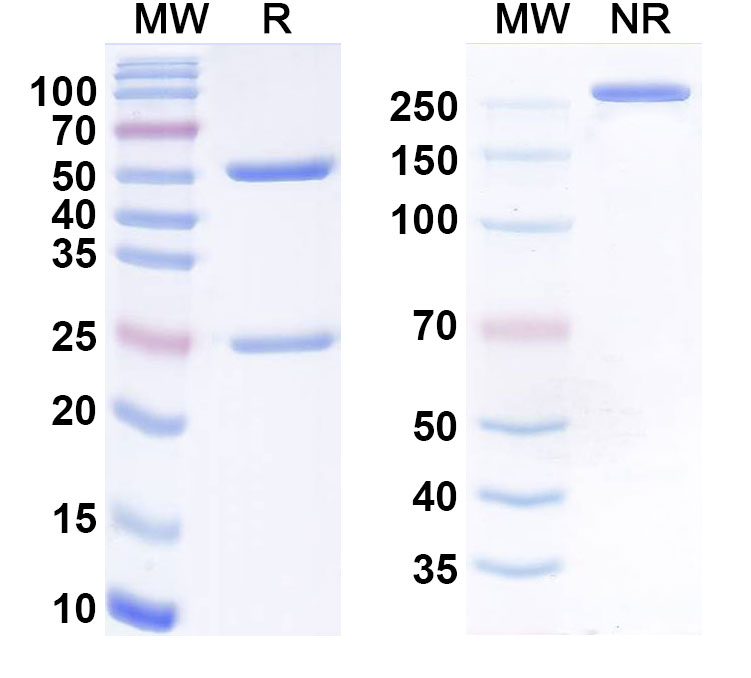
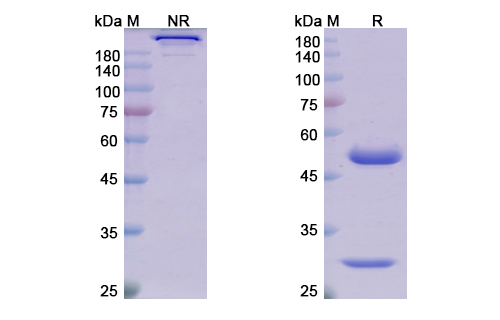
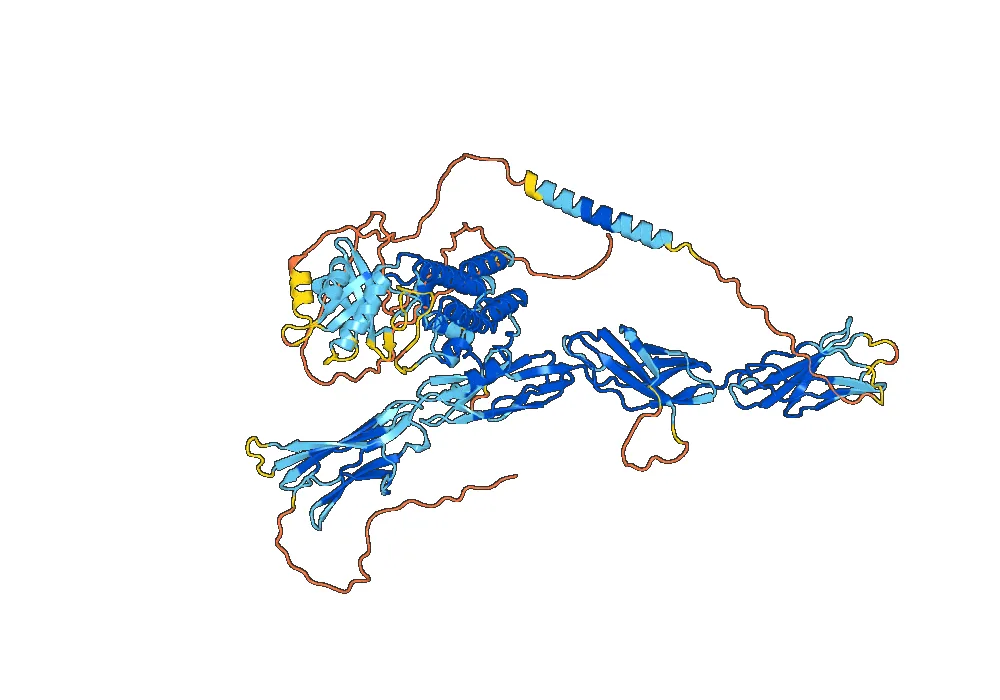
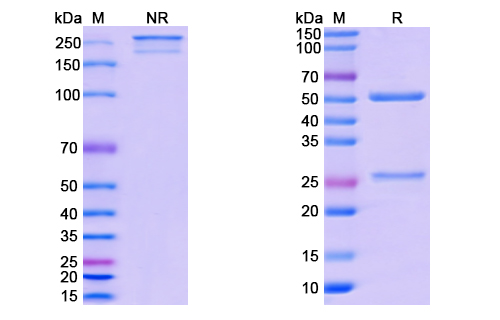
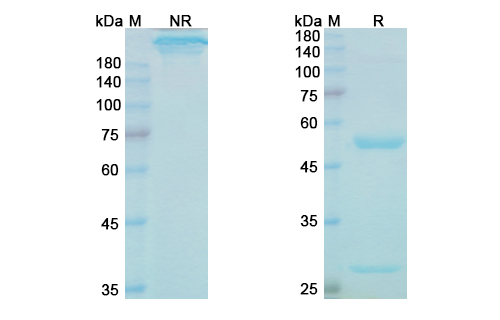
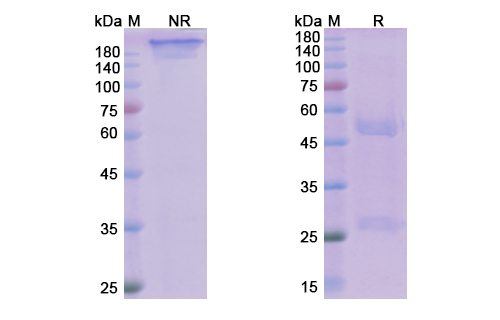
Tilvestamab Biosimilar is a recombinant humanized monoclonal antibody that is derived from the original Tilvestamab antibody. It has a molecular weight of approximately 150 kDa and is composed of two heavy chains and two light chains. The heavy chains consist of four constant domains (CH1, CH2, CH3, and CH4) and one variable domain (VH), while the light chains consist of two constant domains (CL) and one variable domain (VL). The variable domains are responsible for binding to the AXL receptor, while the constant domains provide stability and effector functions.
The amino acid sequence of Tilvestamab Biosimilar is highly similar to the original Tilvestamab antibody, with only a few minor differences. These differences have been carefully selected to ensure that the biosimilar retains the same binding specificity and potency as the original antibody.
Mechanism of Action
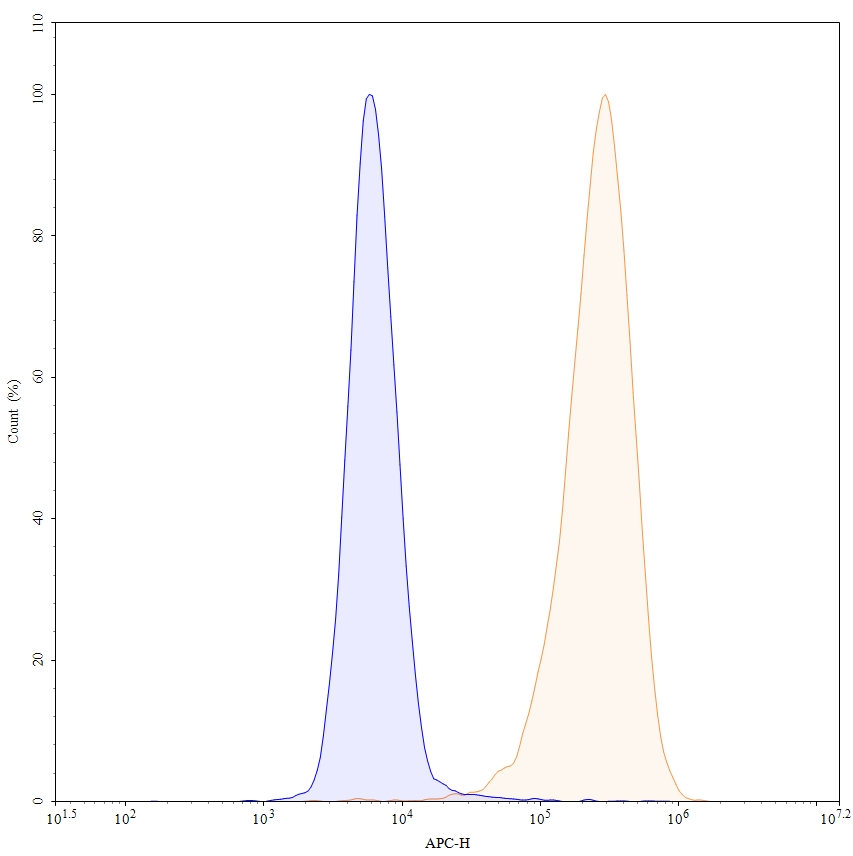
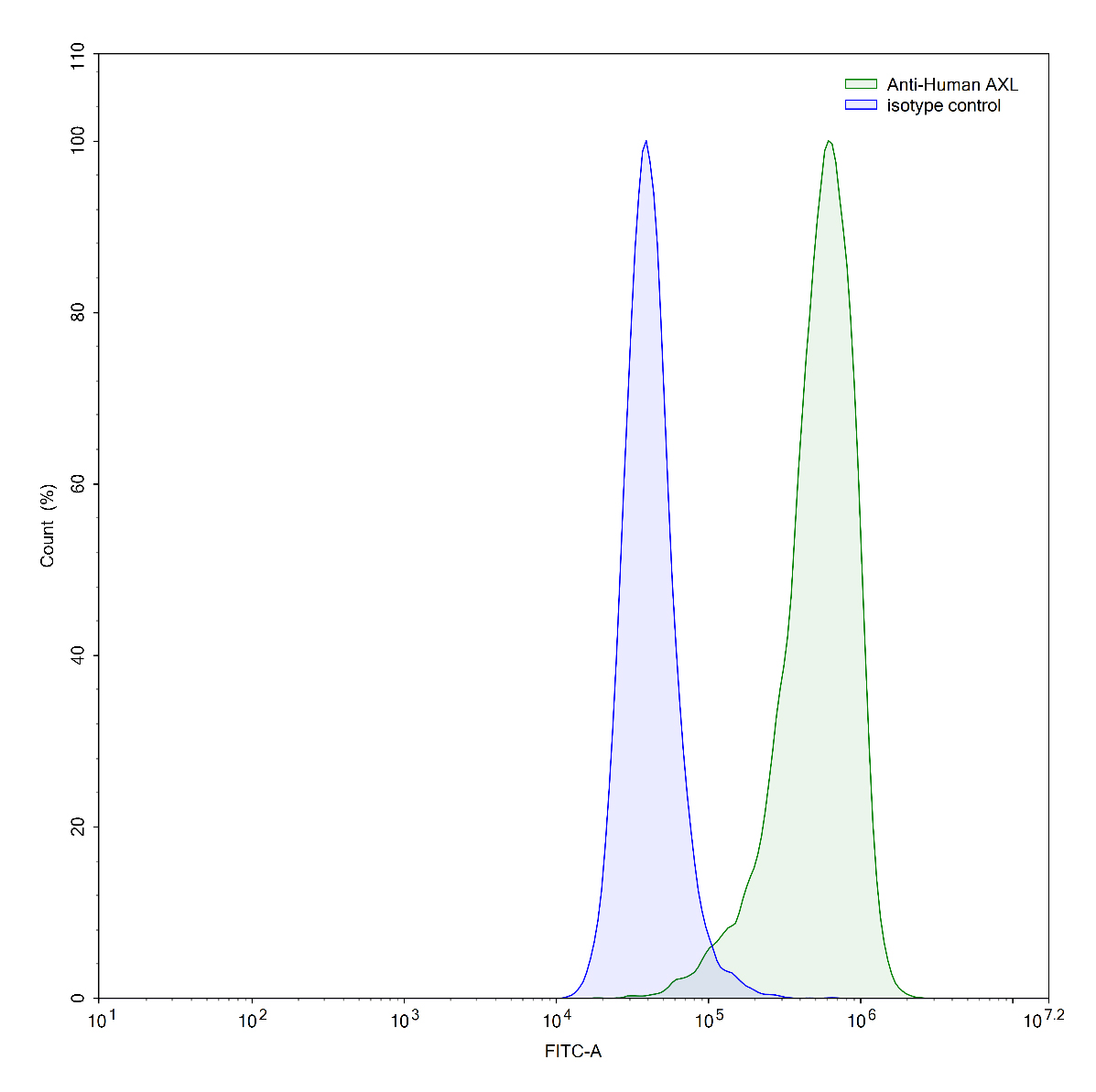
Tilvestamab Biosimilar exerts its therapeutic effects by targeting the AXL receptor, a member of the TAM (TYRO3, AXL, and MER) family of receptor tyrosine kinases. AXL is known to play a crucial role in cancer progression and metastasis, making it an attractive therapeutic target. By binding to the AXL receptor, Tilvestamab Biosimilar blocks its activation and downstream signaling, leading to inhibition of tumor growth and spread.
Moreover, Tilvestamab Biosimilar also has an immunomodulatory effect by stimulating the immune system to recognize and attack cancer cells. This is achieved through the antibody-dependent cellular cytotoxicity (ADCC) and complement-dependent cytotoxicity (CDC) mechanisms, where immune cells are recruited to destroy cancer cells bound by the antibody.
Potential Applications
Tilvestamab Biosimilar has shown promising results in preclinical studies and is currently being evaluated in clinical trials for the treatment of various cancers. Some of the potential applications of this antibody include:
- Breast cancer: AXL is overexpressed in approximately 70% of breast cancer cases and is associated with poor prognosis. Tilvestamab Biosimilar has shown efficacy in inhibiting breast cancer cell growth and metastasis in preclinical studies.
- Lung cancer: AXL is highly expressed in non-small cell lung cancer (NSCLC) and has been linked to resistance to chemotherapy and targeted therapies. Tilvestamab Biosimilar has shown promising results in combination with other therapies in NSCLC models.
- Leukemia: AXL is overexpressed in acute myeloid leukemia (AML) and has been associated with treatment resistance and poor outcomes. Tilvestamab Biosimilar has shown potent anti-leukemic activity in preclinical studies and is being evaluated in clinical trials for AML treatment.
In addition to these specific
cancer types, Tilvestamab Biosimilar has also shown potential in other solid tumors, such as ovarian, pancreatic, and prostate cancer.
Conclusion
Tilvestamab Biosimilar is a highly specific and potent monoclonal antibody that targets the AXL receptor, a protein that is overexpressed in many cancer types. Its unique mechanism of action and potential applications make it a promising therapeutic option for cancer treatment. Further clinical studies are needed to fully evaluate the efficacy and safety of this

There are no reviews yet.