Tifcemalimab Biosimilar: A Promising Anti-BTLA mAb for Therapeutic Targeting
Tifcemalimab Biosimilar, also known as Anti-BTLA mAb, is a novel monoclonal antibody (mAb) that has shown great potential in the field of immunotherapy. This biosimilar is designed to target the immune checkpoint protein BTLA (B- and T-lymphocyte attenuator), which plays a crucial role in regulating immune responses. In this article, we will explore the structure, activity, and potential applications of Tifcemalimab Biosimilar as a therapeutic agent.
Structure of Tifcemalimab Biosimilar
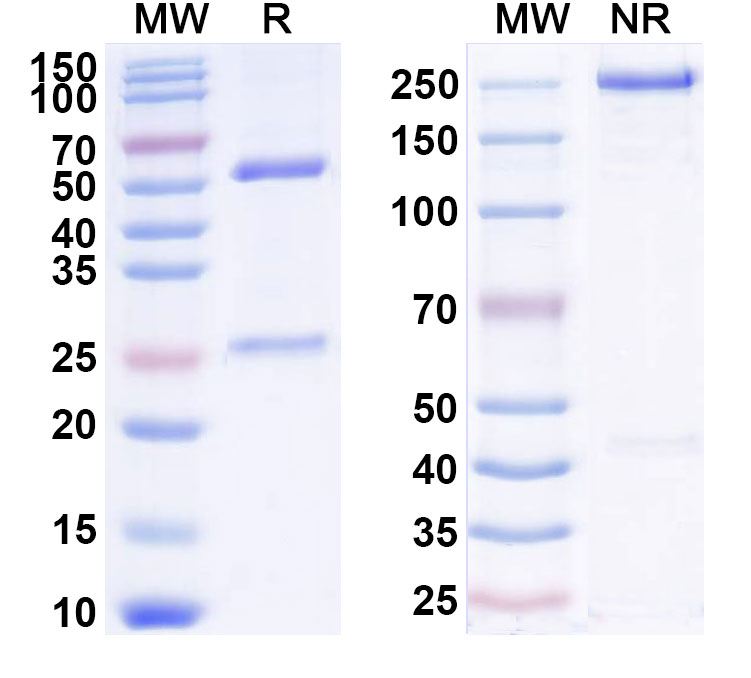
Tifcemalimab Biosimilar is a fully humanized IgG4 monoclonal antibody, which means it is derived from human genetic sequences and has a lower potential for immunogenicity compared to other mAbs derived from non-human sources. It is composed of two heavy chains and two light chains, each containing specific regions that determine its binding specificity and effector functions.
The variable regions of Tifcemalimab Biosimilar are responsible for its binding to BTLA, while the constant regions are responsible for its effector functions, such as antibody-dependent cellular cytotoxicity (ADCC) and complement-dependent cytotoxicity (CDC). This unique structure allows Tifcemalimab Biosimilar to target BTLA and modulate immune responses without causing significant side effects.
Activity of Tifcemalimab Biosimilar
Tifcemalimab Biosimilar works by blocking the interaction between BTLA and its ligand, HVEM (herpesvirus entry mediator). This interaction normally results in the suppression of T-cell activation and proliferation, which is important for maintaining immune homeostasis. However, in certain cancers, this interaction can also lead to the inhibition of anti-tumor immune responses.
By blocking the BTLA-HVEM interaction, Tifcemalimab Biosimilar restores the activation and proliferation of T-cells, which can then mount an effective anti-tumor response. This mechanism of action makes Tifcemalimab Biosimilar a promising therapeutic agent for the treatment of various cancers, including melanoma, lung cancer, and gastric cancer.
Potential Applications of Tifcemalimab Biosimilar
Tifcemalimab Biosimilar is currently being evaluated in multiple clinical trials as a potential treatment for various types of cancer. In a phase 1 clinical trial, Tifcemalimab Biosimilar showed promising results in patients with advanced solid tumors, with an overall response rate of 27.8%. In another phase 1 trial, Tifcemalimab Biosimilar demonstrated efficacy in patients with advanced hepatocellular carcinoma, with an overall response rate of 33.3%.
Aside from its potential in cancer treatment, Tifcemalimab Biosimilar is also being studied in other disease areas. BTLA has been implicated in the development of autoimmune diseases, such as rheumatoid arthritis and multiple sclerosis. By targeting BTLA, Tifcemalimab Biosimilar may have the potential to treat these diseases by modulating the immune system.
Conclusion
Tifcemalimab Biosimilar, also known as Anti-BTLA mAb, is a promising therapeutic agent that targets the immune checkpoint protein BTLA. Its unique structure and mechanism of action make it a potential treatment for various types of cancer and autoimmune diseases. As more clinical trials are conducted, we can expect to see Tifcemalimab Biosimilar become a valuable addition to the arsenal of immunotherapies available for patients.
Keywords: Tifcemalimab Biosimilar, Anti-BTLA mAb, monoclonal antibody, immune checkpoint, BTLA, HVEM, cancer, autoimmune diseases, immunotherapy


There are no reviews yet.