Introduction to SYN-005-1B7 Biosimilar – Anti-Pertussis Toxin Subunit 1 mAb Introduction:
SYN-005-1B7 Biosimilar is a monoclonal antibody (mAb) that specifically targets the pertussis toxin subunit 1 (PTxS1). This biosimilar is a research grade therapeutic antibody that has been developed as a potential treatment for pertussis, also known as whooping cough. In this article, we will discuss the structure, activity, and potential applications of SYN-005-1B7 Biosimilar.
Structure of SYN-005-1B7 Biosimilar:
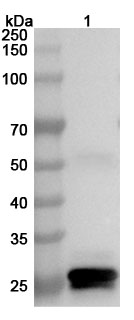
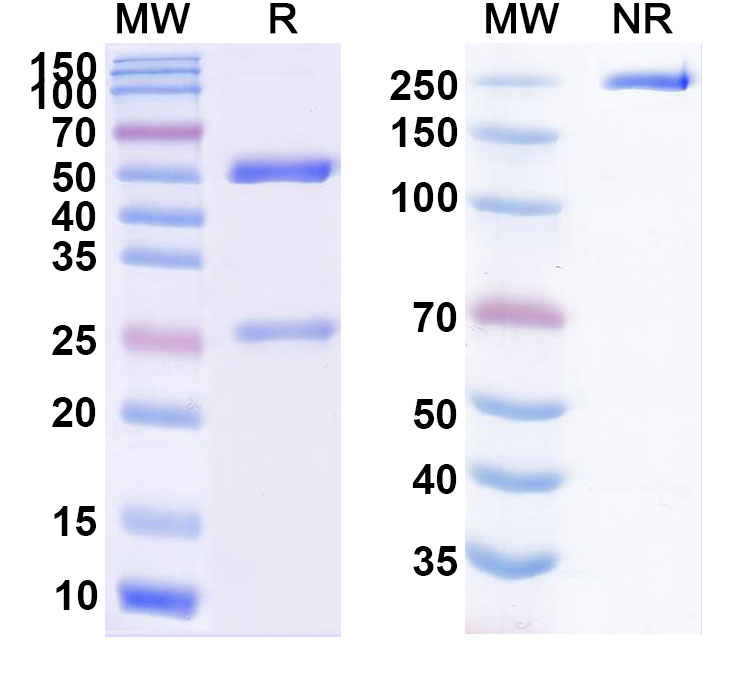
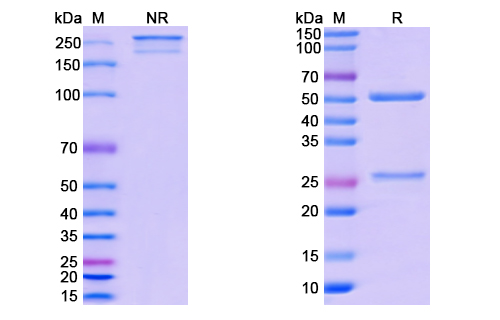
SYN-005-1B7 Biosimilar is a recombinant humanized monoclonal antibody that is produced using advanced biotechnology techniques. It is a fully human IgG1 antibody that has been engineered to specifically bind to PTxS1, a key component of the pertussis toxin. The antibody has a molecular weight of approximately 150 kDa and consists of two heavy chains and two light chains. The heavy and light chains are connected by disulfide bonds and form a Y-shaped structure that is characteristic of antibodies.
Activity of SYN-005-1B7 Biosimilar:
The primary function of SYN-005-1B7 Biosimilar is to bind to PTxS1 and inhibit its activity. PTxS1 is a key virulence factor of Bordetella pertussis, the bacterium that causes pertussis. This toxin is responsible for the severe coughing and other symptoms associated with the disease. By binding to PTxS1, SYN-005-1B7 Biosimilar prevents the toxin from entering and damaging the cells of the respiratory tract. This not only reduces the severity of symptoms but also helps in clearing the infection.
In addition to its neutralizing activity, SYN-005-1B7 Biosimilar also has an immune-modulating effect. It is able to stimulate the production of antibodies and T cells that specifically target B. pertussis. This helps in boosting the body’s immune response and provides long-term protection against pertussis.
Application of SYN-005-1B7 Biosimilar:
The primary application of SYN-005-1B7 Biosimilar is in the treatment of pertussis. It is currently being developed as a potential alternative to the existing pertussis vaccines and antibiotics. The biosimilar is designed to be used as a passive immunization therapy, where it is administered to individuals who have been exposed to pertussis or are at high risk of developing the disease. This includes infants, pregnant women, and individuals with compromised immune systems.
Apart from its therapeutic potential, SYN-005-1B7 Biosimilar also has applications in research. The biosimilar can be used as a tool to study the mechanisms of pertussis infection and the role of PTxS1 in the disease. It can also be used to develop more effective vaccines and treatments for pertussis.
Conclusion:
SYN-005-1B7 Biosimilar is a promising research grade therapeutic antibody that specifically targets PTxS1, a key virulence factor of B. pertussis. Its unique structure and activity make it a potential alternative to existing pertussis vaccines and antibiotics. The biosimilar has the potential to provide both immediate and long-term protection against pertussis and has applications in both therapeutic and research settings. Further studies and clinical trials are needed to fully evaluate the efficacy and safety of SYN-005-1B7 Biosimilar, but it holds great promise in the fight against pertussis.
There are no reviews yet.