Introduction
Sozinibercept Biosimilar is a novel anti-VEGF-C fusion protein that has shown promising results in pre-clinical studies. It is a biosimilar version of the FDA-approved drug, aflibercept, and is being developed as a potential therapeutic option for various diseases that are associated with abnormal VEGF-C signaling. In this article, we will explore the structure, activity, and potential applications of Sozinibercept Biosimilar.
Structure of Sozinibercept Biosimilar
Sozinibercept Biosimilar is a fusion protein consisting of two components: an antibody and a therapeutic target. The antibody component is a modified version of the anti-VEGF-C antibody, which has been engineered to have higher affinity and specificity for VEGF-C. The therapeutic target component is a fragment of VEGF-C receptor, which acts as a decoy receptor and binds to VEGF-C, preventing it from binding to its natural receptors and triggering downstream signaling.
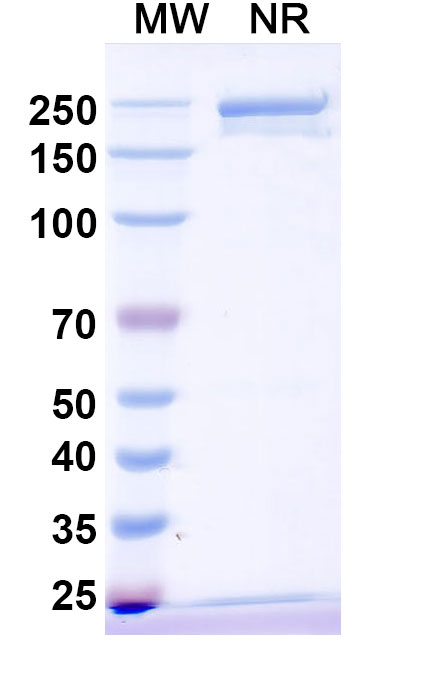
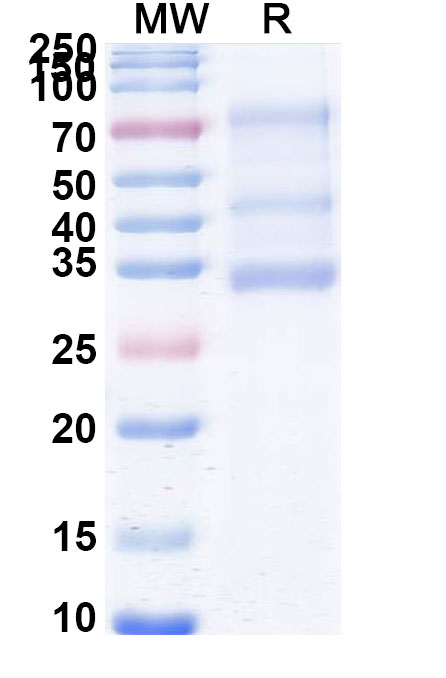
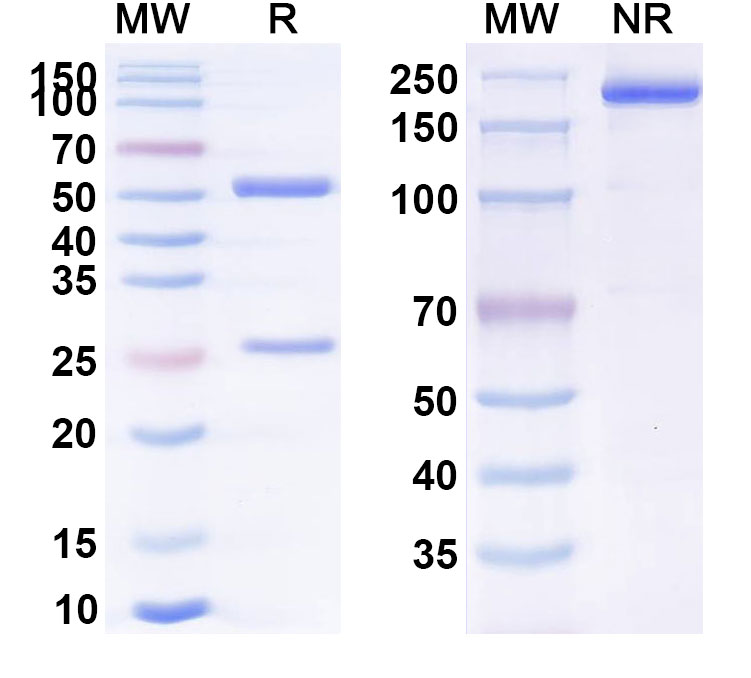
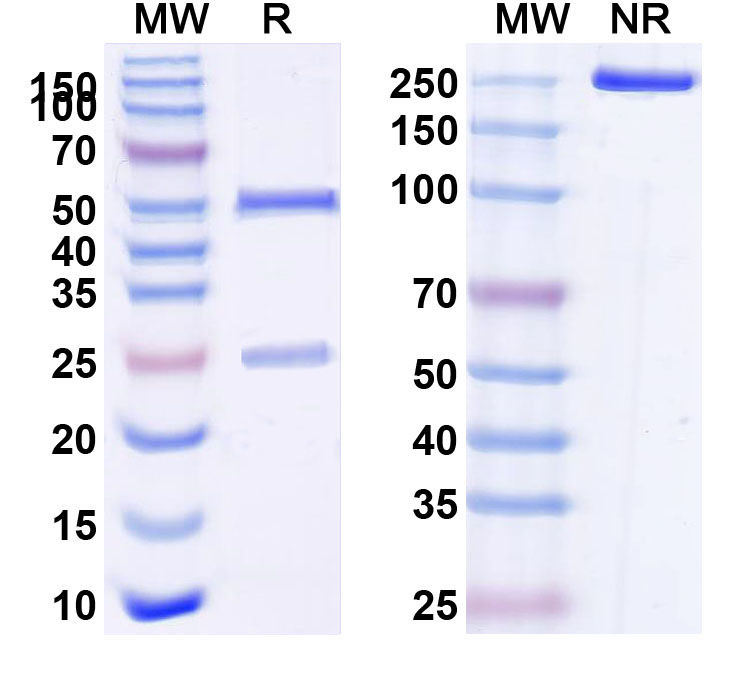
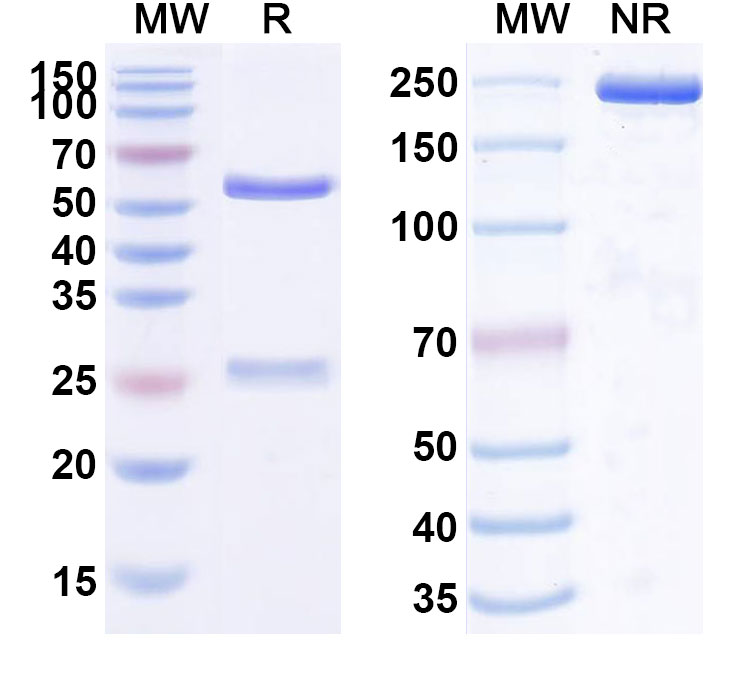
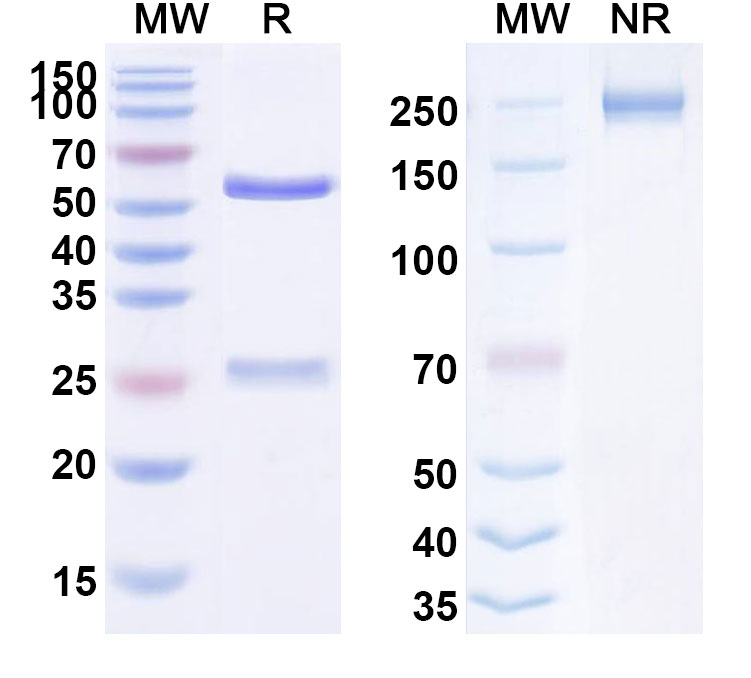
The two components are linked together using a flexible linker, which allows for optimal binding and activity. The resulting fusion protein has a molecular weight of approximately 150 kDa and a similar overall structure to aflibercept.
Activity of Sozinibercept Biosimilar
Sozinibercept Biosimilar works by targeting the VEGF-C signaling pathway, which plays a crucial role in angiogenesis, lymphangiogenesis, and inflammation. VEGF-C is a key mediator of these processes and is overexpressed in various diseases, including cancer, macular degeneration, and inflammatory disorders.
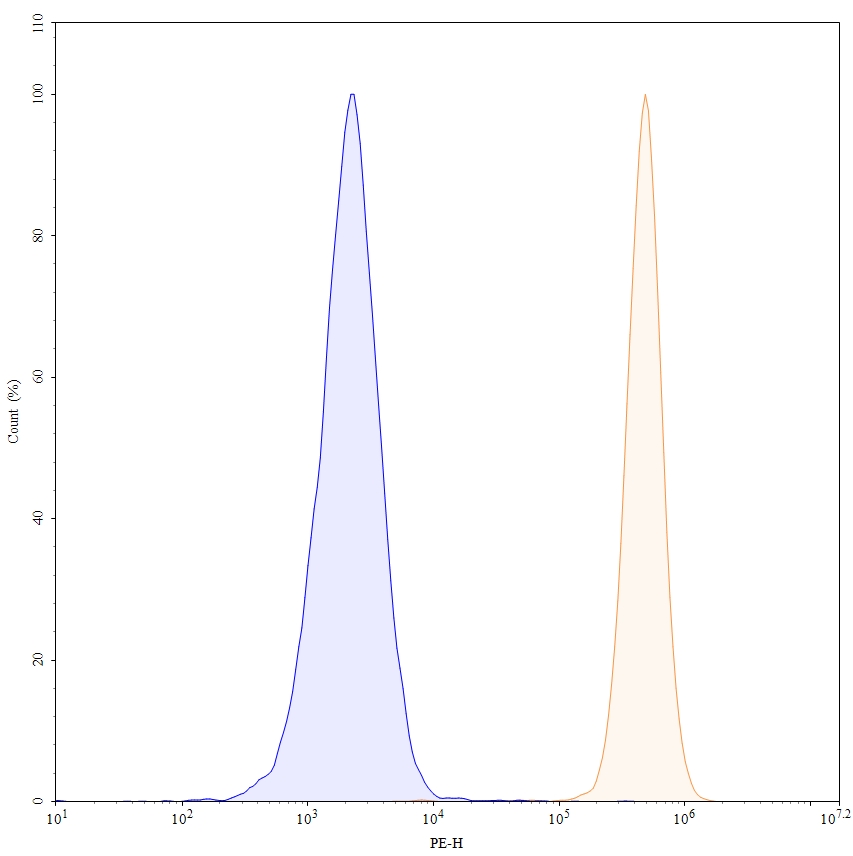
The antibody component of Sozinibercept Biosimilar binds to VEGF-C with high affinity, effectively neutralizing its activity. The therapeutic target component acts as a decoy receptor and competes with the natural receptors for VEGF-C binding, further reducing its activity. This dual mechanism of action results in a potent inhibition of VEGF-C signaling and subsequent downstream effects.
Potential Applications of Sozinibercept Biosimilar
Sozinibercept Biosimilar has the potential to be used as a therapeutic option for various diseases that are associated with abnormal VEGF-C signaling. Some of the potential applications of this fusion protein are discussed below.
Cancer
VEGF-C is known to promote tumor growth, angiogenesis, and metastasis. By targeting VEGF-C, Sozinibercept Biosimilar can potentially inhibit these processes and slow down the progression of various types of cancer. Pre-clinical studies have shown promising results in different cancer models, including breast, lung, and colon cancer.
Macular Degeneration
Macular degeneration is a leading cause of vision loss in the elderly population. VEGF-C has been implicated in the development and progression of this disease. By inhibiting VEGF-C, Sozinibercept Biosimilar has the potential to prevent abnormal blood vessel growth and leakage in the retina, which are the hallmarks of macular degeneration.
Inflammatory Disorders
VEGF-C has been shown to play a role in various inflammatory disorders, such as psoriasis, rheumatoid arthritis, and inflammatory bowel disease. Sozinibercept Biosimilar has the potential to reduce inflammation by inhibiting VEGF-C signaling and may provide a novel treatment option for these conditions.
Other Potential Applications
In addition to the above-mentioned diseases, Sozinibercept Biosimilar may also have potential applications in other conditions, such as diabetic retinopathy, diabetic macular edema, and lymphedema. Further research is needed to explore the full potential of this fusion protein in various diseases.
Conclusion
Sozinibercept Biosimilar is a promising anti-VEGF-C fusion protein that has shown potential in pre-clinical studies. Its unique structure and dual mechanism of action make it a promising therapeutic option for various diseases associated with abnormal VEGF-C signaling. Further clinical trials are needed to evaluate the safety and efficacy of this biosimilar in different diseases and to potentially

There are no reviews yet.