Serplulimab Biosimilar: A Revolutionary Antibody Targeting PD-1
Serplulimab Biosimilar, also known as Anti-PDCD1, PD1, CD279 mAb, is a groundbreaking therapeutic antibody that has shown immense potential in the treatment of various diseases. This biosimilar is designed to target the programmed cell death protein 1 (PD-1) pathway, which plays a crucial role in regulating the immune response. In this article, we will delve into the structure, activity, and applications of Serplulimab Biosimilar, and explore its potential as a therapeutic antibody.
Structure of Serplulimab Biosimilar
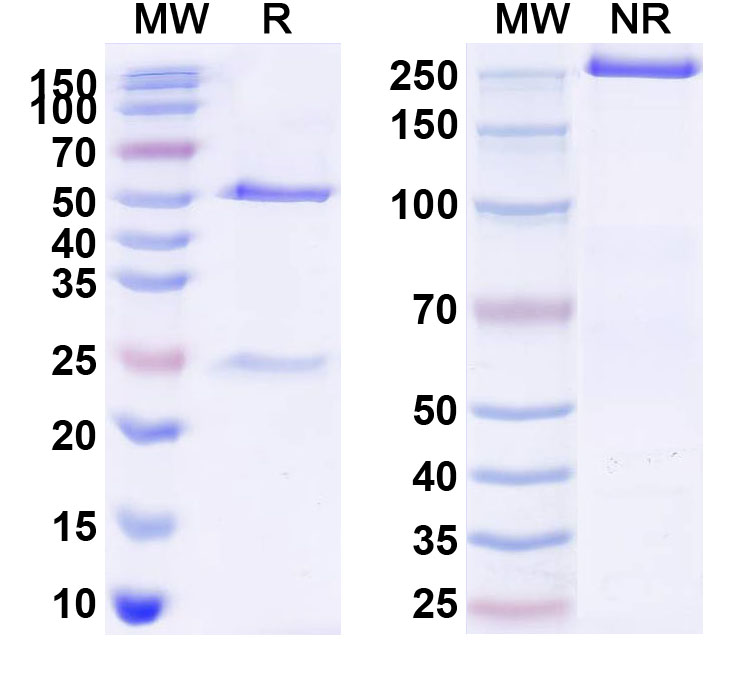
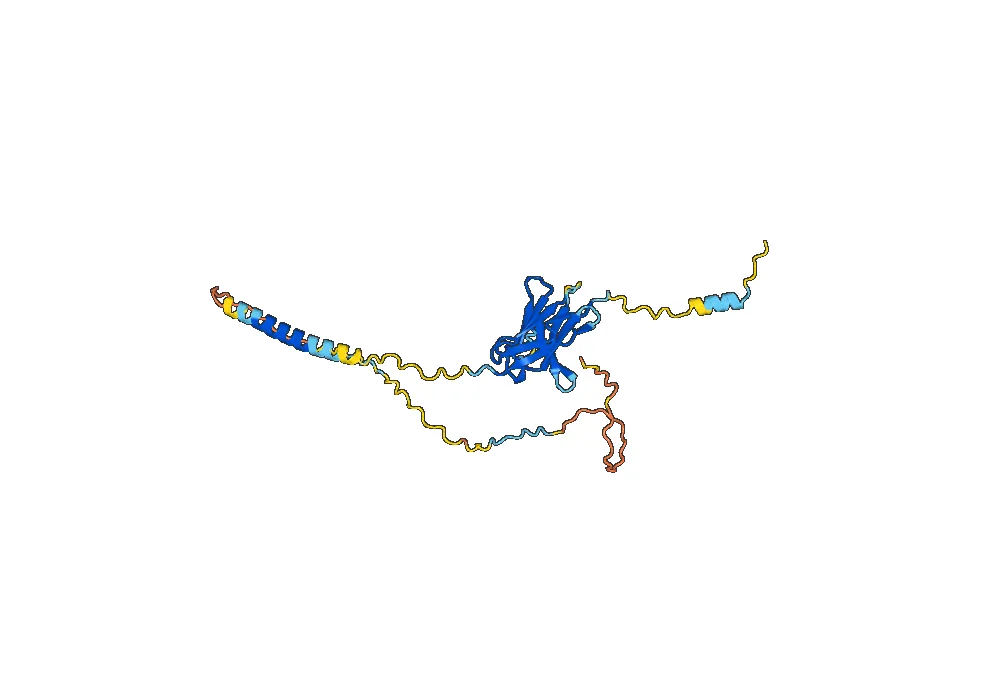
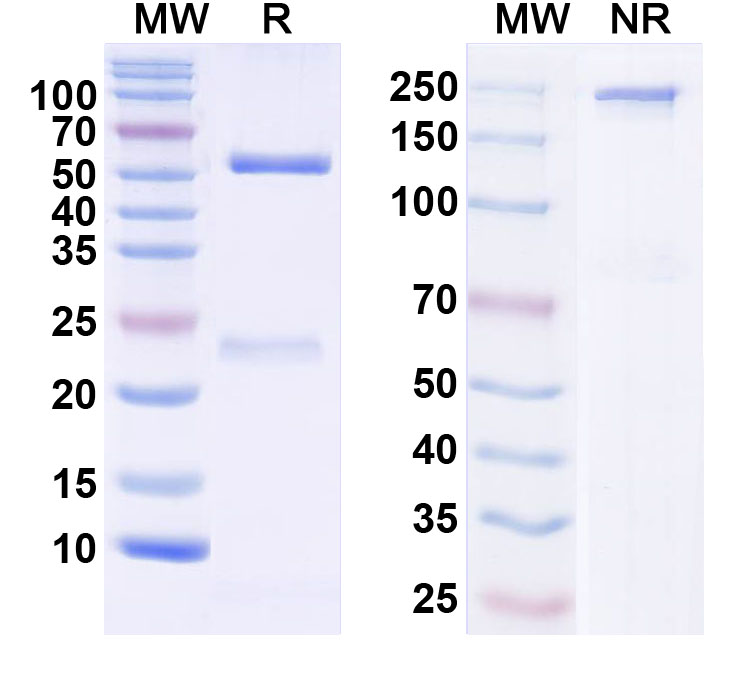
Serplulimab Biosimilar is a monoclonal antibody (mAb) that mimics the structure of the natural PD-1 receptor found on the surface of immune cells. It is composed of two heavy chains and two light chains, linked together by disulfide bonds. The heavy chains consist of constant and variable regions, while the light chains only have variable regions. These variable regions determine the specificity of the antibody towards its target, PD-1.
The binding site of Serplulimab Biosimilar is located on the variable region of the heavy chain, which is known as the complementarity-determining region (CDR). This region is responsible for recognizing and binding to the PD-1 receptor, thereby blocking its activity.
Activity of Serplulimab Biosimilar
The primary function of Serplulimab Biosimilar is to block the PD-1 pathway, which is a major checkpoint in the immune system. PD-1 is a receptor found on the surface of immune cells, and its activation leads to the suppression of immune responses. This mechanism is crucial for maintaining self-tolerance and preventing autoimmunity. However, in certain diseases, such as cancer, PD-1 is exploited by tumor cells to evade immune surveillance.
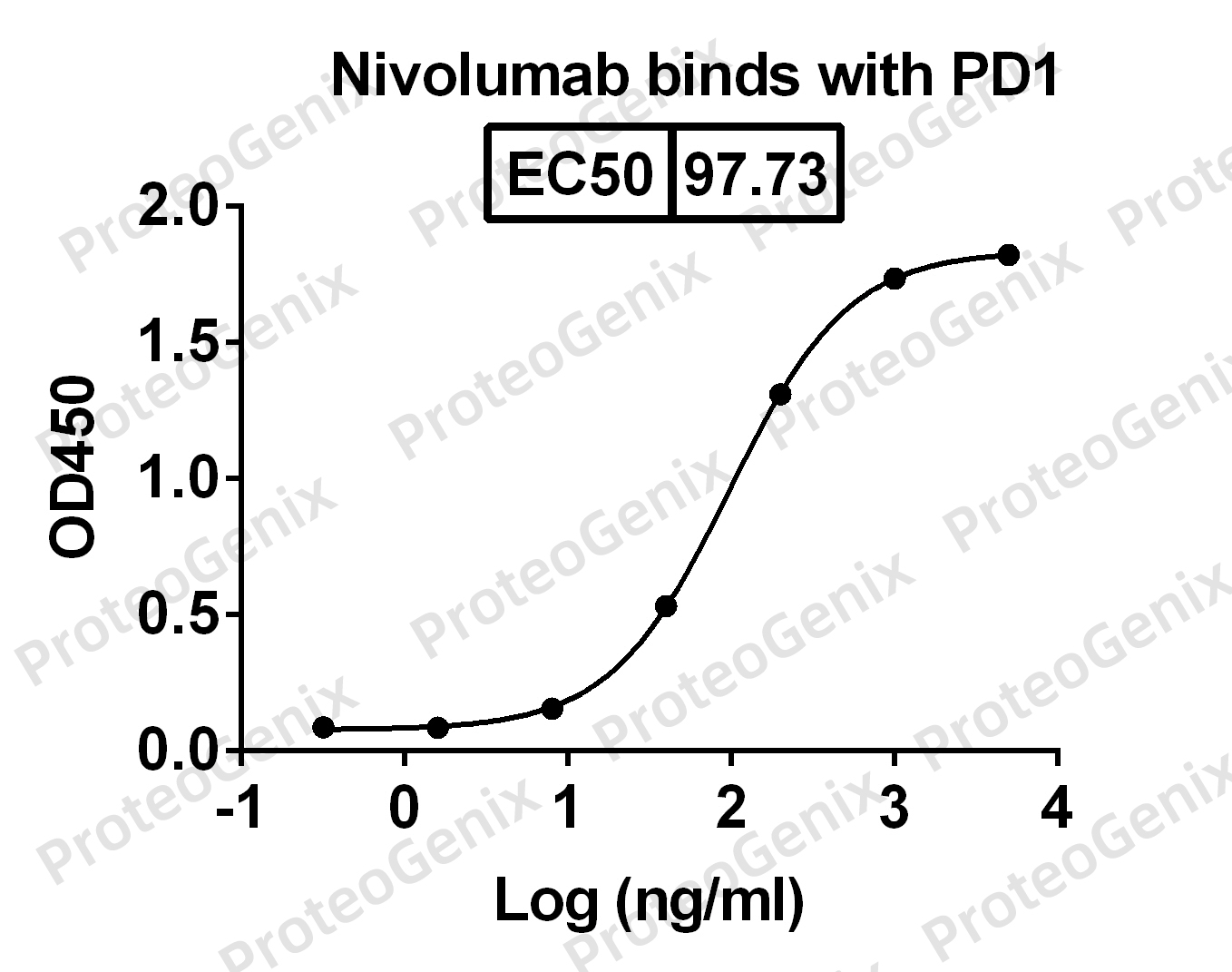
Serplulimab Biosimilar works by binding to PD-1 and preventing its interaction with its ligands, PD-L1 and PD-L2. This blockade releases the brakes on the immune system, allowing it to mount a robust response against cancer cells. This antibody also promotes the activation and proliferation of immune cells, such as T cells, which are crucial for eliminating cancer cells.
Applications of Serplulimab Biosimilar
The potential applications of Serplulimab Biosimilar are vast, owing to its ability to target the PD-1 pathway. Its primary use is in the treatment of cancer, where it has shown promising results in various clinical trials. This antibody has been approved for the treatment of melanoma, non-small cell lung cancer, and renal cell carcinoma, and is being investigated for its efficacy in other types of cancer as well.
In addition to cancer, Serplulimab Biosimilar is also being studied for its potential in treating autoimmune diseases, such as rheumatoid arthritis and multiple sclerosis. By blocking the PD-1 pathway, this antibody can prevent the suppression of immune responses, which is a hallmark of these diseases. Furthermore, Serplulimab Biosimilar has also shown potential in treating viral infections, such as hepatitis B and HIV, by enhancing the immune response against these viruses.
Conclusion
Serplulimab Biosimilar is a revolutionary antibody that has the potential to transform the treatment of various diseases. Its unique structure and mechanism of action make it a promising therapeutic option for cancer, autoimmune diseases, and viral infections. With ongoing research and clinical trials, the applications of Serplulimab Biosimilar are only expected to expand, providing hope for patients and healthcare professionals alike.
Keywords: Serplulimab Biosimilar, Anti-PDCD1, PD1, CD279 mAb, monoclonal antibody, PD-1, programmed cell death protein 1, immune response, therapeutic antibody, cancer, autoimmune diseases, viral infections


There are no reviews yet.