Introduction to Romilkimab Biosimilar – A Promising Anti-IL13, IL4 mAb for Research Purposes Romilkimab Biosimilar is a monoclonal antibody (mAb) that targets the cytokines Interleukin 13 (IL13) and Interleukin 4 (IL4). It is a promising therapeutic agent for various inflammatory and autoimmune diseases, including asthma, atopic dermatitis, and inflammatory bowel disease. In this article, we will provide a scientific description of the structure, activity, and potential applications of Romilkimab Biosimilar in research.
Structure of Romilkimab Biosimilar:
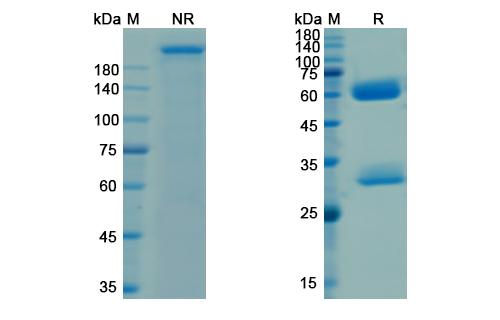
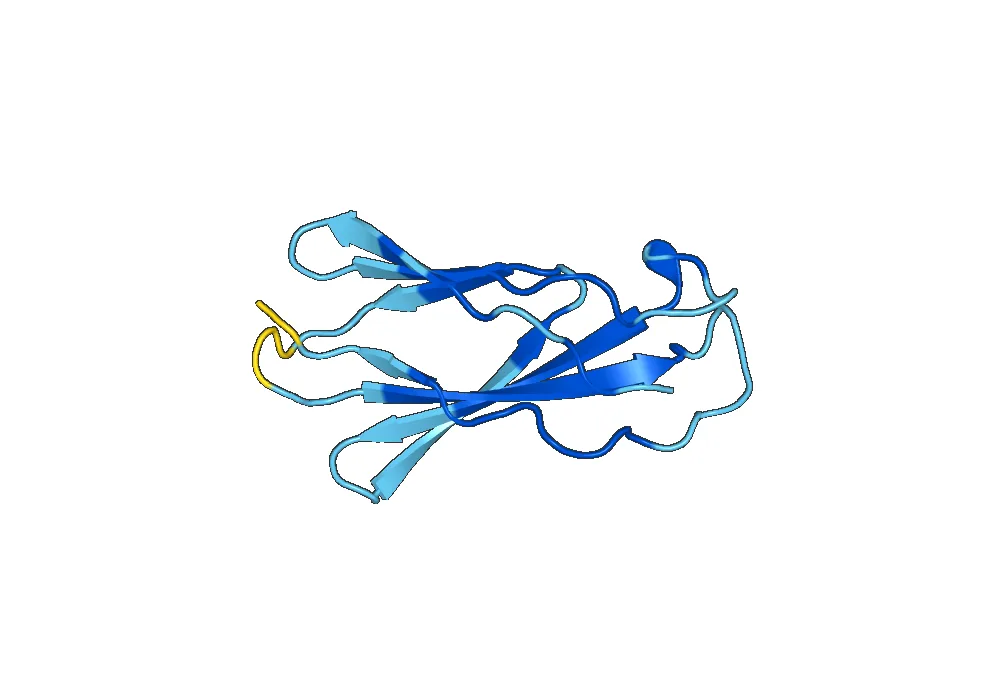
Romilkimab Biosimilar is a recombinant humanized IgG1 monoclonal antibody. It is produced by cloning the gene sequences encoding the variable regions of the heavy and light chains of the antibody, and fusing them with human IgG1 constant regions. This results in a chimeric antibody with a humanized Fc region, which reduces the risk of immunogenicity and enhances its half-life in the body.
Activity of Romilkimab Biosimilar:
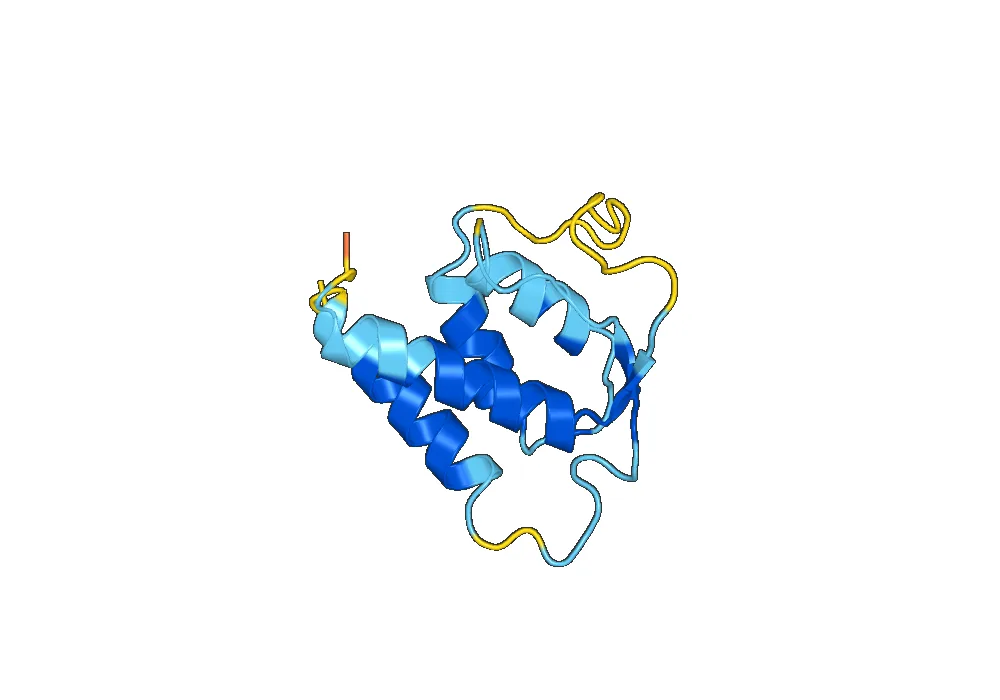
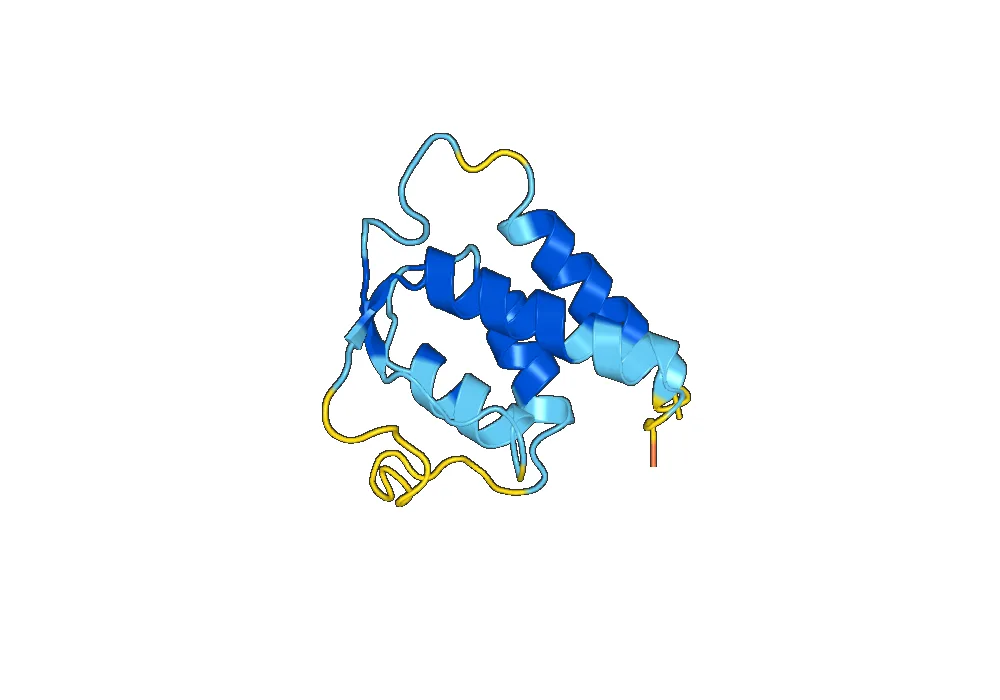
Romilkimab Biosimilar specifically binds to IL13 and IL4, two cytokines that play a crucial role in the pathogenesis of various inflammatory and autoimmune diseases. IL13 is primarily produced by Th2 cells and is involved in the regulation of immune responses, inflammation, and tissue remodeling. IL4 is also produced by Th2 cells and is known to stimulate the production of IgE, which plays a key role in allergic reactions. By targeting these two cytokines, Romilkimab Biosimilar can modulate the immune response and reduce inflammation.
Applications of Romilkimab Biosimilar:
1. Asthma:
Asthma is a chronic inflammatory disease of the airways, characterized by airway hyperresponsiveness, inflammation, and obstruction. Studies have shown that IL13 and IL4 play a crucial role in the pathogenesis of asthma. Romilkimab Biosimilar has been shown to effectively reduce airway inflammation and improve lung function in preclinical models of asthma. It has also shown promising results in clinical trials, making it a potential therapeutic option for asthma patients.
2. Atopic dermatitis:
Atopic dermatitis is a chronic inflammatory skin disorder characterized by intense itching, redness, and scaling of the skin. IL13 and IL4 have been implicated in the development and progression of atopic dermatitis. Romilkimab Biosimilar has been shown to improve skin lesions and reduce pruritus in preclinical models of atopic dermatitis. Clinical trials are currently underway to evaluate its efficacy and safety in treating atopic dermatitis.
3. Inflammatory bowel disease (IBD):
IBD is a group of chronic inflammatory disorders of the gastrointestinal tract, including Crohn’s disease and ulcerative colitis. IL13 and IL4 have been identified as key cytokines involved in the pathogenesis of IBD. Romilkimab Biosimilar has shown promising results in preclinical studies, reducing inflammation and tissue damage in the gut. Clinical trials are ongoing to evaluate its potential as a treatment for IBD.
4. Other inflammatory and autoimmune diseases:
Apart from the above-mentioned diseases, Romilkimab Biosimilar has also shown potential in treating other inflammatory and autoimmune disorders, such as rheumatoid arthritis, psoriasis, and multiple sclerosis. IL13 and IL4 have been implicated in the pathogenesis of these diseases, and by targeting these cytokines, Romilkimab Biosimilar has the potential to provide a novel and effective treatment option.
In conclusion, Romilkimab Biosimilar is a promising anti-IL13, IL4 mAb with a unique structure and specific activity. It has shown promising results in preclinical and clinical studies for various inflammatory and autoimmune diseases, making it a potential therapeutic option for patients. Further research and clinical trials are needed to fully understand its potential and establish its safety and efficacy in treating these diseases.

There are no reviews yet.