Introduction:
Rilotumumab biosimilar, also known as anti-HGF mAb, is a research-grade monoclonal antibody that targets the hepatocyte growth factor (HGF) pathway. It is a promising therapeutic agent for the treatment of various cancers, including gastric, lung, and breast cancer. In this article, we will discuss the structure, activity, and potential applications of rilotumumab biosimilar in scientific terms.
Structure of Rilotumumab Biosimilar:
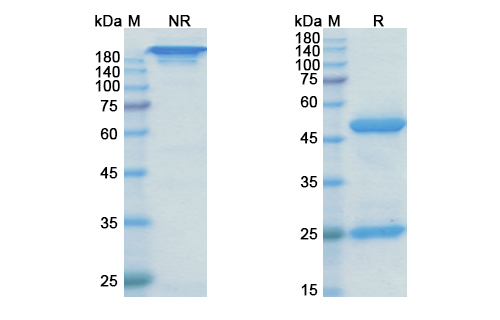
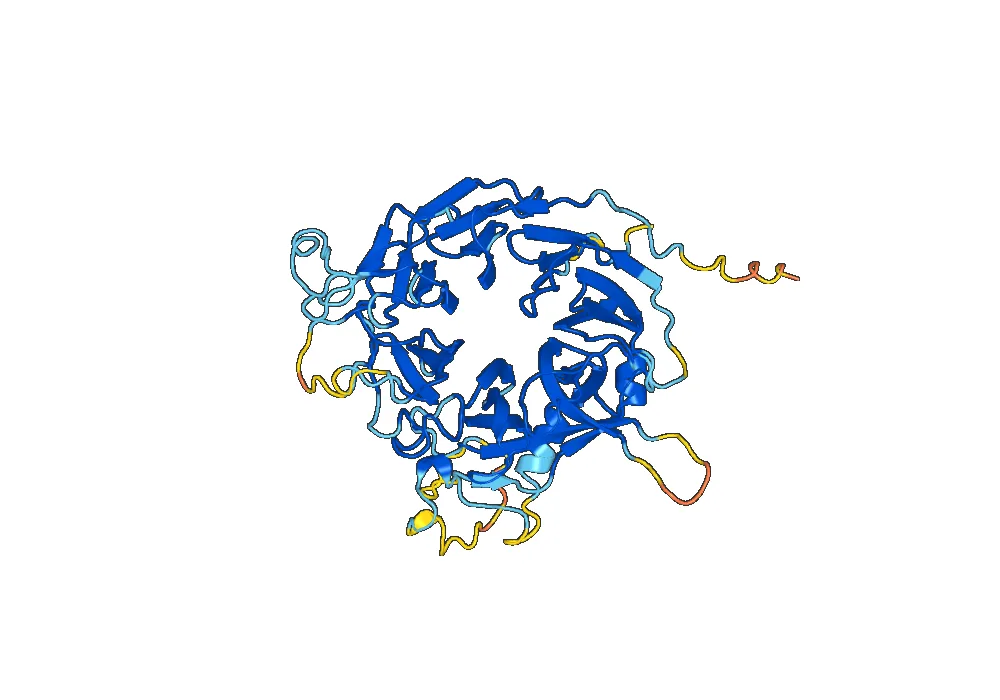
Rilotumumab biosimilar is a recombinant humanized monoclonal antibody that is produced using genetic engineering techniques. It is a chimeric antibody, meaning it contains both human and mouse components. The antibody has a molecular weight of approximately 149 kDa, and its amino acid sequence is highly similar to the human IgG1 antibody. Rilotumumab biosimilar consists of two heavy chains and two light chains, which are connected by disulfide bonds. The antibody has a Y-shaped structure, with two antigen-binding fragments (Fab) and one crystallizable fragment (Fc).
Activity of Rilotumumab Biosimilar:
Rilotumumab biosimilar specifically binds to the HGF ligand and inhibits its interaction with the c-Met receptor. This binding prevents the activation of the c-Met signaling pathway, which is involved in tumor growth, angiogenesis, and metastasis. Rilotumumab biosimilar also induces antibody-dependent cellular cytotoxicity (ADCC) and complement-dependent cytotoxicity (CDC) against cancer cells expressing high levels of c-Met. These mechanisms of action make rilotumumab biosimilar a potent anti- cancer agent.
Applications of Rilotumumab Biosimilar:
1. Treatment of Gastric
Cancer:
The most promising application of rilotumumab biosimilar is in the treatment of gastric cancer. Gastric cancer is the third leading cause of cancer-related deaths worldwide, and it is often associated with overexpression of c-Met. Rilotumumab biosimilar has shown promising results in preclinical and clinical studies, with a significant reduction in tumor growth and improved survival rates in gastric cancer patients.
2. Treatment of Lung
Cancer:
Rilotumumab biosimilar has also shown potential in the treatment of lung cancer, especially non-small cell lung cancer (NSCLC). NSCLC is the most common type of lung cancer, and it is often associated with c-Met overexpression. Rilotumumab biosimilar has been shown to inhibit tumor growth and sensitize lung cancer cells to chemotherapy, making it a promising therapeutic option for NSCLC patients.
3. Treatment of Breast
Cancer:
Breast cancer is another type of cancer that has been associated with c-Met overexpression. Rilotumumab biosimilar has shown promising results in preclinical studies, with a significant reduction in tumor growth and metastasis in breast cancer models. It has also been shown to sensitize breast cancer cells to chemotherapy, making it a potential adjuvant therapy for breast cancer patients.
4. Combination Therapy:
Rilotumumab biosimilar has also been studied in combination with other anti- cancer agents, such as chemotherapeutic drugs and other targeted therapies. These studies have shown synergistic effects, with improved anti-tumor activity and reduced side effects. This makes rilotumumab biosimilar a promising candidate for combination therapy in various types of cancer.
Conclusion:
In conclusion, rilotumumab biosimilar, also known as anti-HGF mAb, is a promising therapeutic agent for the treatment of various cancers. It specifically targets the HGF/c-Met signaling pathway and has shown promising results in preclinical and clinical studies. With its unique structure, potent activity, and potential applications, rilotumumab biosimilar has the potential to become a valuable addition to the arsenal of anti- cancer therapies. Further research and clinical trials are needed to fully understand the potential of this antibody and its role in the treatment of cancer.


There are no reviews yet.