Introduction
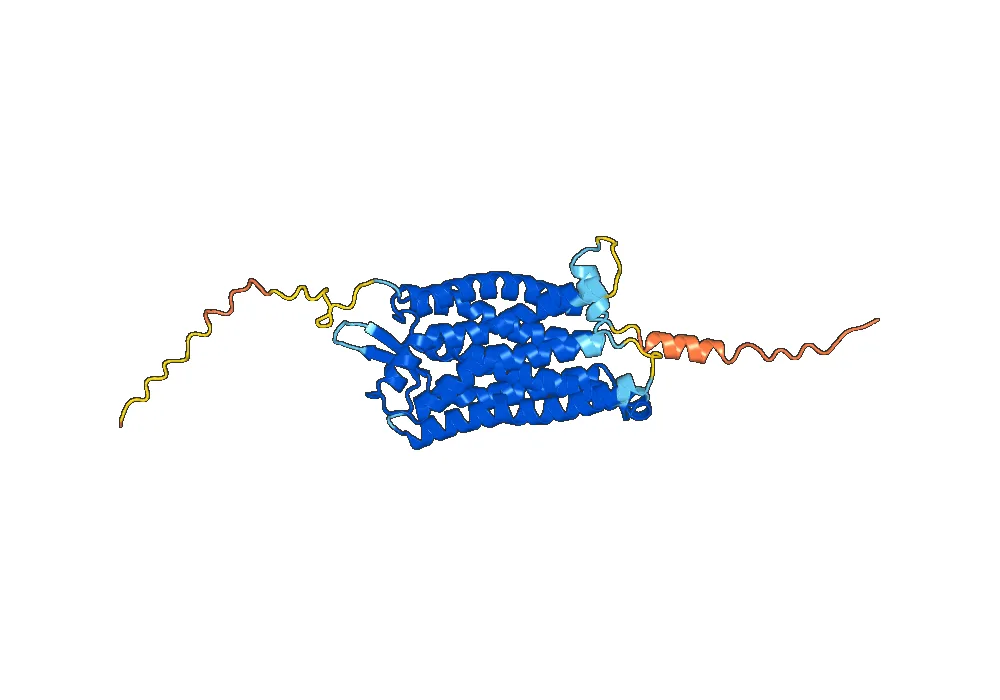
Avdoralimab is a biosimilar antibody that targets the C5AR1 protein, also known as the C5a receptor. This protein is a key component of the complement system, which plays a crucial role in the body’s immune response. Avdoralimab has been extensively studied and has shown promising results as a potential therapeutic agent for various inflammatory and autoimmune diseases.
Structure of Avdoralimab
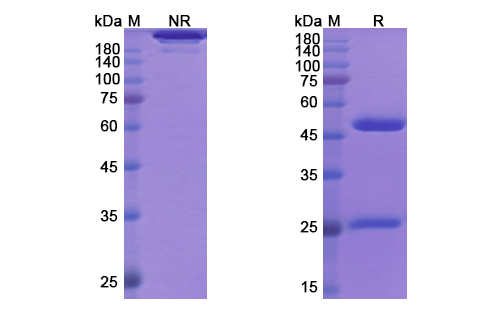
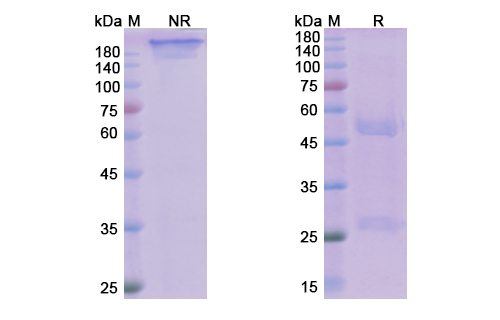
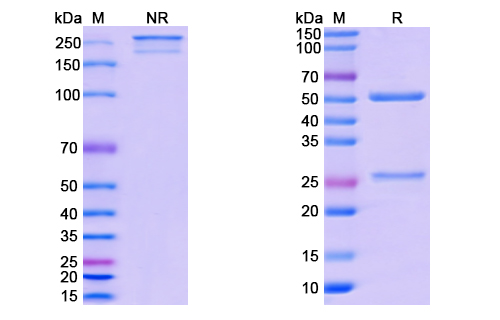
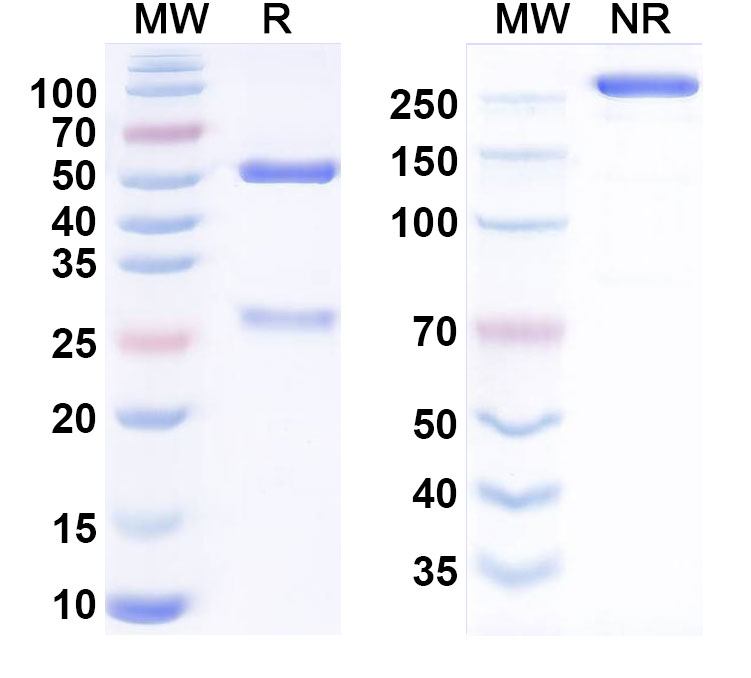
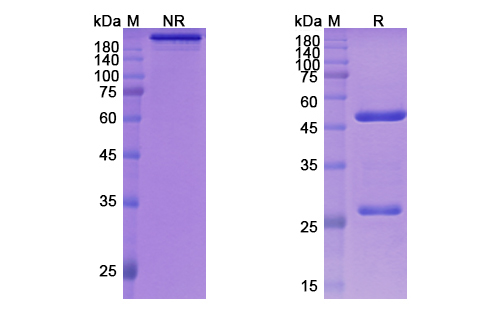
Avdoralimab is a monoclonal antibody, meaning it is derived from a single type of immune cell. It is a fully human antibody, meaning it is produced entirely from human genes. This is in contrast to other antibodies that are partially or fully derived from non-human sources, which can lead to immune reactions in patients. Avdoralimab has a molecular weight of approximately 150 kDa and is composed of two heavy chains and two light chains, which are linked together by disulfide bonds. It has a Y-shaped structure, with two antigen-binding fragments (Fab) and one crystallizable fragment (Fc).
Mechanism of Action
Avdoralimab binds specifically to the C5AR1 protein, which is found on the surface of various immune cells, including neutrophils, macrophages, and mast cells. This binding prevents the activation of the C5AR1 protein by its ligand, C5a. When activated, C5AR1 triggers a cascade of events that leads to inflammation and tissue damage. By blocking this activation, Avdoralimab can reduce the inflammatory response and prevent tissue damage.
Applications of Avdoralimab
Avdoralimab has shown potential as a therapeutic agent for a variety of inflammatory and autoimmune diseases. It has been studied in preclinical and clinical trials for conditions such as rheumatoid arthritis, lupus, and psoriasis. In these diseases, the complement system is known to play a role in the pathogenesis, making C5AR1 a promising therapeutic target.
Rheumatoid Arthritis
Rheumatoid arthritis (RA) is a chronic inflammatory disease that primarily affects the joints. In RA, the body’s immune system mistakenly attacks the tissues in the joints, leading to pain, swelling, and stiffness. Avdoralimab has been shown to reduce the severity of joint inflammation in preclinical models of RA. In a phase II clinical trial, Avdoralimab was found to be safe and well-tolerated in patients with moderate to severe RA, and it showed promising efficacy in reducing disease activity.
Lupus
Lupus is a systemic autoimmune disease that can affect various organs and tissues in the body. In lupus, the immune system produces autoantibodies that attack the body’s own cells and tissues, leading to inflammation and damage. Avdoralimab has been shown to inhibit the production of these autoantibodies in preclinical models of lupus. In a phase II clinical trial, Avdoralimab was found to be safe and effective in reducing disease activity in patients with systemic lupus erythematosus.
Psoriasis
Psoriasis is a chronic inflammatory skin disease characterized by red, scaly patches on the skin. The immune system plays a key role in the development of psoriasis, and the complement system has been implicated in the pathogenesis. Avdoralimab has been shown to reduce the severity of psoriasis in preclinical models. In a phase II clinical trial, Avdoralimab was found to be safe and effective in reducing disease activity in patients with moderate to severe psoriasis.
Conclusion
Avdoralimab is a promising biosimilar antibody that targets the C5AR1 protein. Its specific binding to C5AR1 prevents the activation of this protein, leading to reduced inflammation and tissue damage. Avd


There are no reviews yet.