Introduction
Regavirumab Biosimilar, also known as Anti-HCMV mAb, is a monoclonal antibody (mAb) that specifically targets the human cytomegalovirus (HCMV). This biosimilar is a research grade antibody that has been developed as a potential therapeutic option for HCMV infections. In this article, we will discuss the structure, activity, and potential applications of Regavirumab Biosimilar.
Structure of Regavirumab Biosimilar
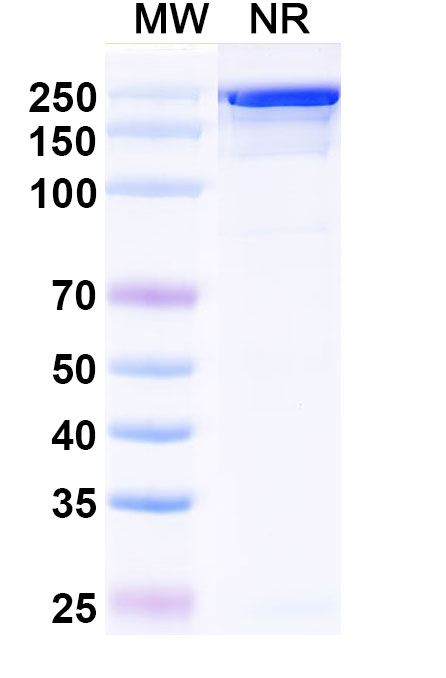
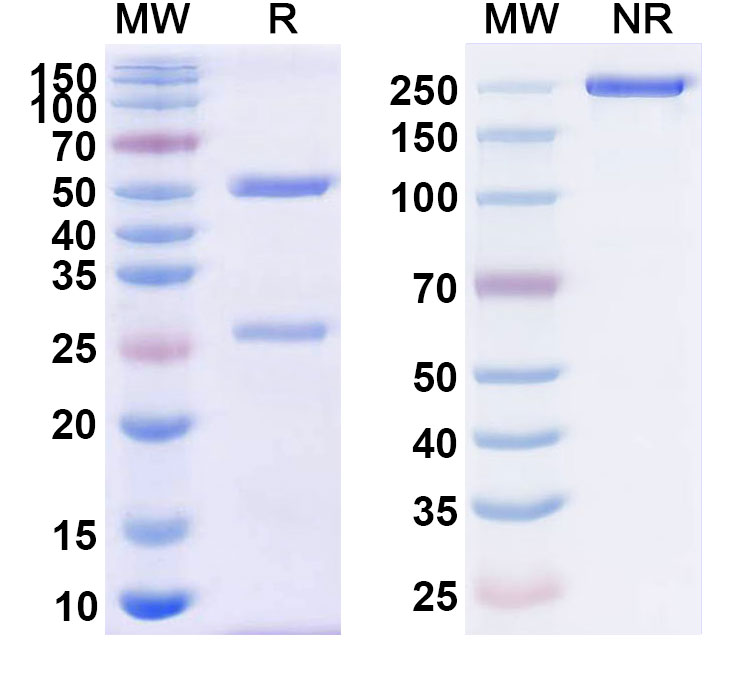
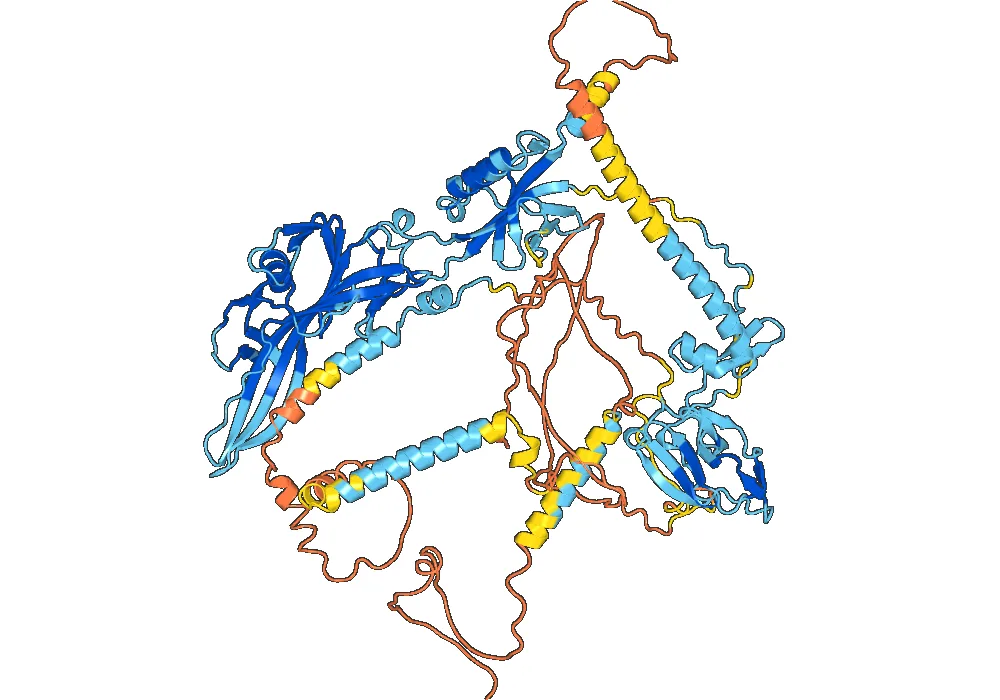
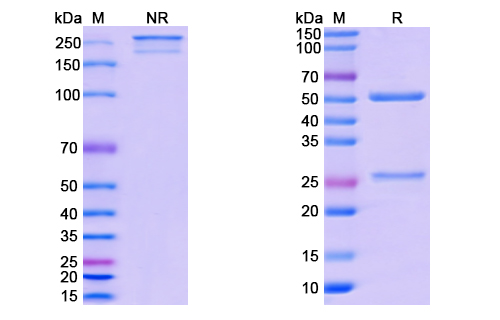
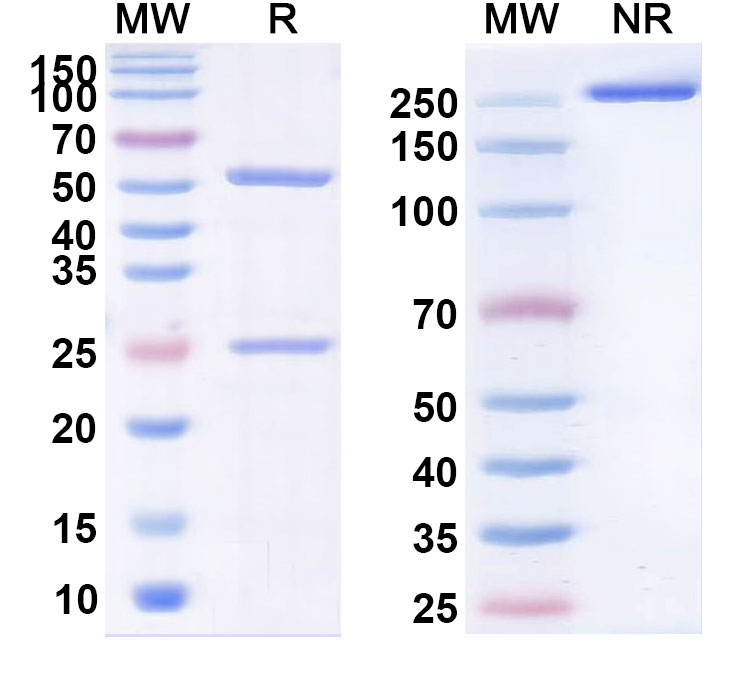
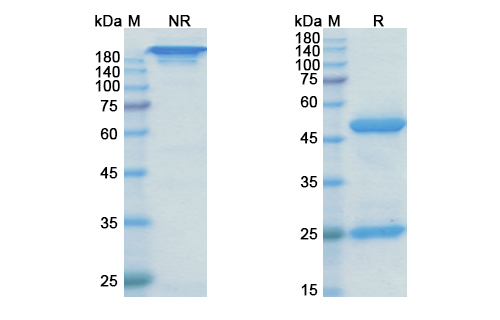
Regavirumab Biosimilar is a recombinant human IgG1 monoclonal antibody that has been engineered to target the glycoprotein B (gB) of HCMV. It is composed of two heavy chains and two light chains, each containing a variable region and a constant region. The variable region of the antibody is responsible for binding to the gB protein, while the constant region mediates effector functions such as antibody-dependent cellular cytotoxicity (ADCC) and complement-dependent cytotoxicity (CDC).
Activity of Regavirumab Biosimilar
The primary function of Regavirumab Biosimilar is to bind to the gB protein of HCMV and prevent its entry into host cells. The gB protein is essential for viral fusion and entry into cells, making it an attractive therapeutic target. By binding to the gB protein, Regavirumab Biosimilar can neutralize the virus and prevent its replication and spread.
In addition to its neutralizing activity, Regavirumab Biosimilar also has effector functions that can enhance its antiviral activity. This includes ADCC, where the antibody binds to infected cells and recruits immune cells to kill them, and CDC, where the antibody activates the complement system to destroy the virus.
Applications of Regavirumab Biosimilar
Regavirumab Biosimilar has the potential to be used as a therapeutic option for HCMV infections. HCMV is a common virus that can cause serious complications in immunocompromised individuals, such as transplant recipients and people with HIV. Currently, there are limited treatment options available for HCMV infections, and the development of drug resistance is a major concern. Regavirumab Biosimilar offers a promising alternative for the treatment of HCMV infections.
In addition to its potential as a therapeutic agent, Regavirumab Biosimilar can also be used as a research tool for studying HCMV. Its specificity for the gB protein makes it a valuable tool for understanding the role of this protein in viral entry and pathogenesis. It can also be used in diagnostic assays to detect and quantify HCMV in patient samples.
Conclusion
Regavirumab Biosimilar, also known as Anti-HCMV mAb, is a research grade monoclonal antibody that specifically targets the gB protein of HCMV. Its structure, activity, and potential applications make it a promising therapeutic option for HCMV infections. Further research and clinical trials are needed to fully evaluate the efficacy and safety of this biosimilar in treating HCMV infections.
There are no reviews yet.