The Structure of Recombinant Rat SCNN1A/SCNN1 Protein
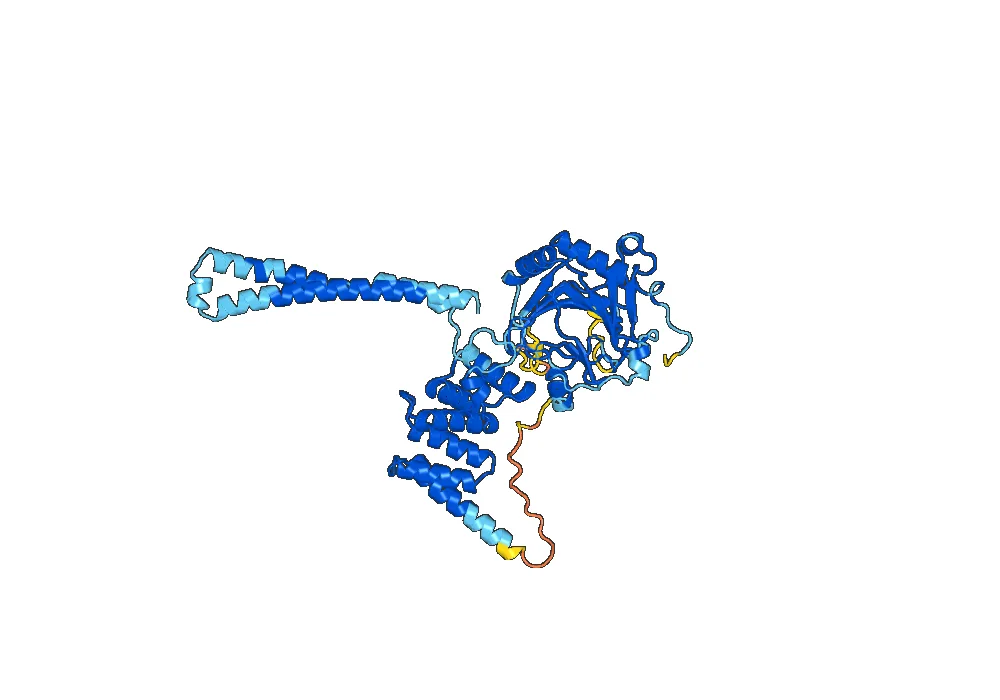
Recombinant Rat SCNN1A/SCNN1 protein is a synthetic form of the rat epithelial sodium channel (ENaC) that is made using recombinant DNA technology. This protein is composed of three subunits: alpha, beta, and gamma, which are encoded by the SCNN1A, SCNN1B, and SCNN1G genes, respectively. Each subunit has a unique structure and function, but they all work together to form a functional sodium channel.
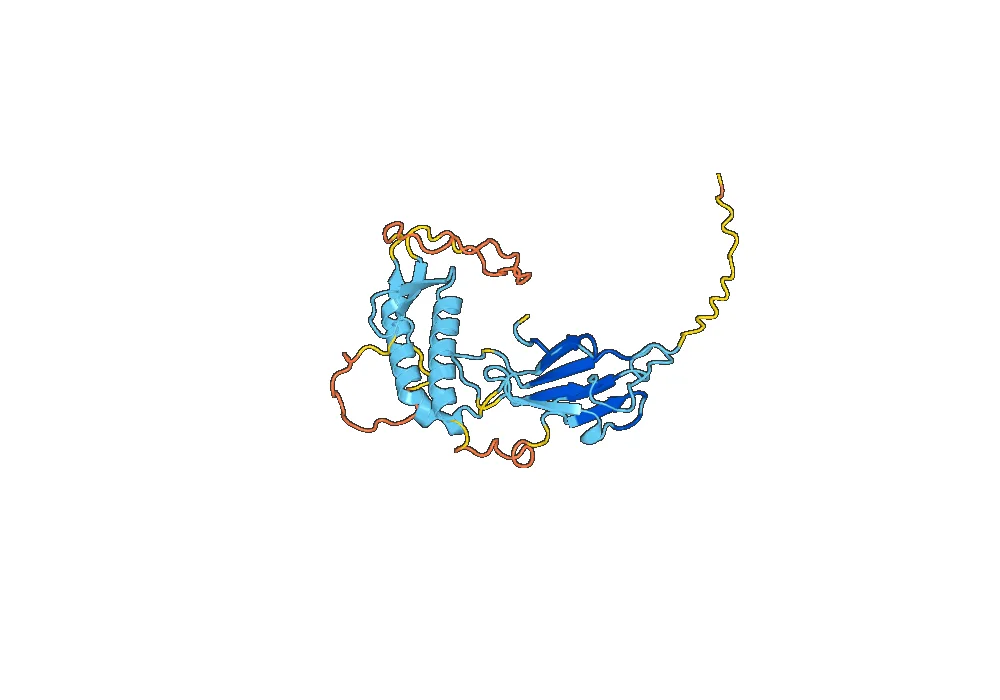
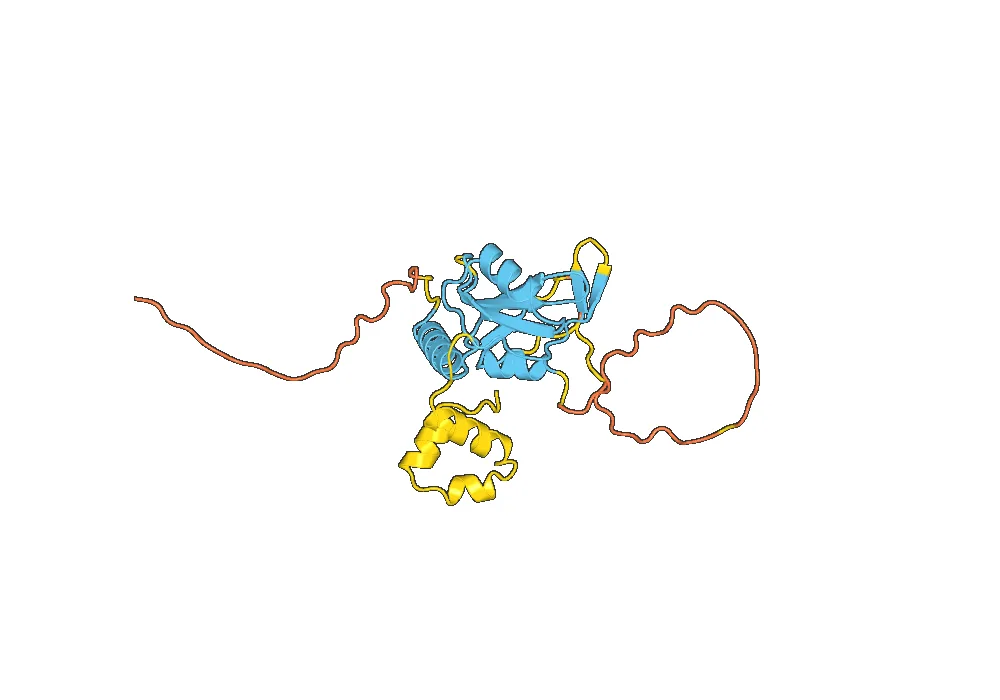
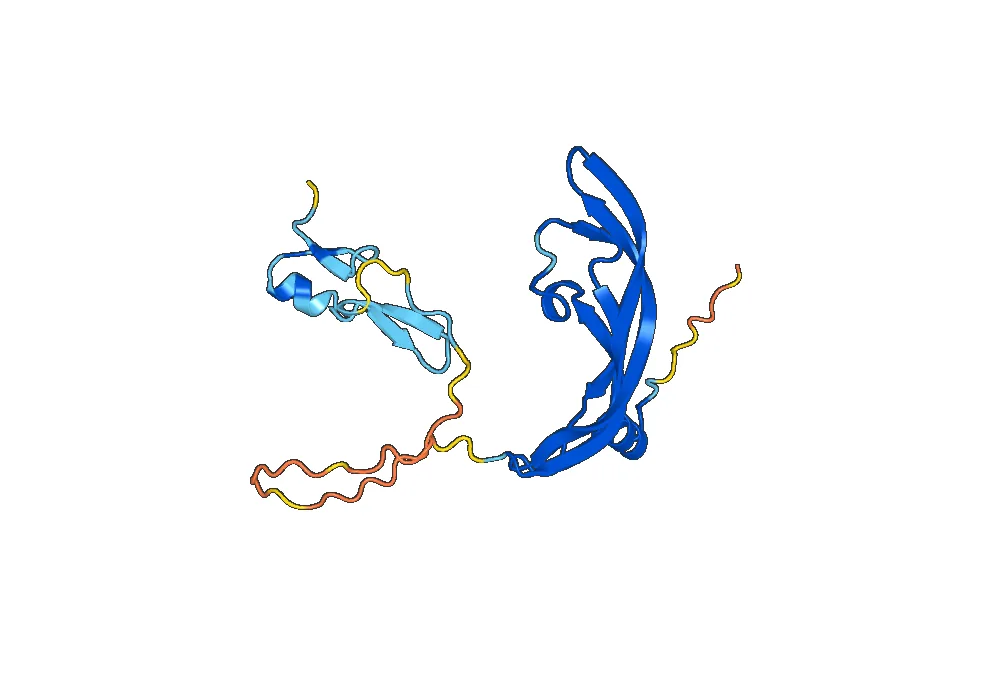
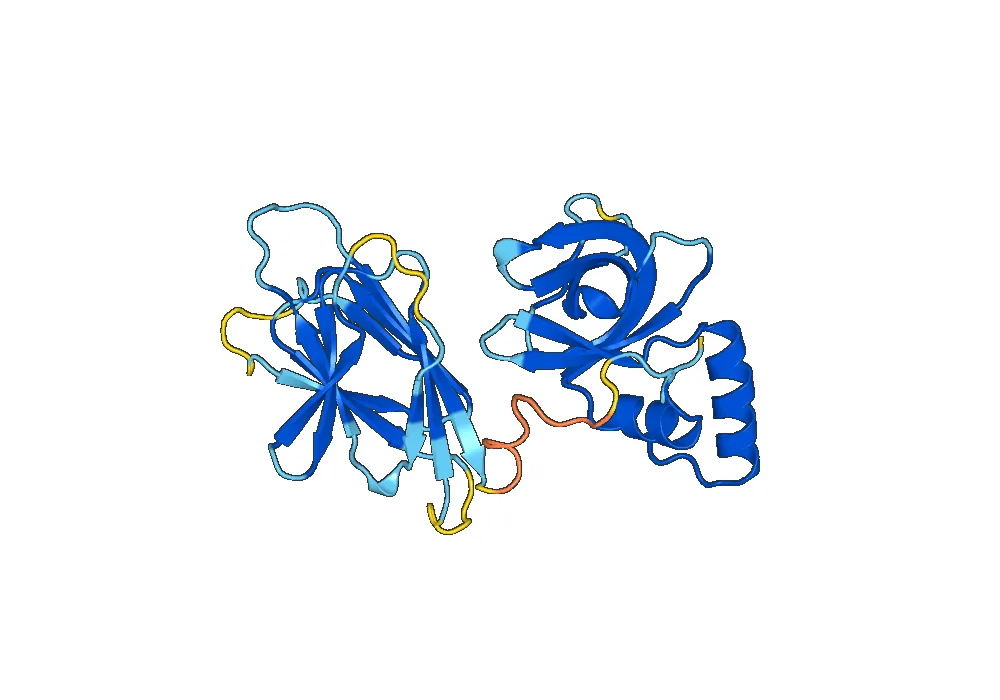
The alpha subunit is the largest and most important subunit of ENaC, as it contains the ion-conducting pore. It has two transmembrane domains, with the N-terminus located on the extracellular side and the C-terminus on the intracellular side. The beta and gamma subunits are smaller and have one transmembrane domain each, with their N-termini also facing the extracellular side. These subunits are connected by disulfide bonds and form a heterotrimeric complex that is essential for the proper functioning of ENaC.
The Activity of Recombinant Rat SCNN1A/SCNN1 Protein
Recombinant Rat SCNN1A/SCNN1 protein has the same activity as the native rat ENaC, which is to regulate sodium transport across epithelial cells. This protein is predominantly found in the kidney, lung, and colon, where it plays a crucial role in maintaining sodium and fluid balance in the body. ENaC is an ion channel that allows the selective transport of sodium ions from the extracellular environment into the cell. This process is essential for maintaining proper blood pressure, electrolyte balance, and hydration levels.
The activity of ENaC is regulated by various factors, including hormones, such as aldosterone, and intracellular signaling pathways. When activated, ENaC opens up, allowing sodium ions to flow into the cell. This influx of sodium then leads to the movement of water, resulting in the reabsorption of fluid into the body. On the other hand, when ENaC is inhibited, sodium and water are excreted, leading to a decrease in blood pressure and fluid loss.
The Application of Recombinant Rat SCNN1A/SCNN1 Protein
Recombinant Rat SCNN1A/SCNN1 protein has various applications in both research and medical fields. One of its primary uses is in the study of ENaC function and regulation. This protein can be used to investigate the effects of different factors, such as hormones and signaling pathways, on ENaC activity. It can also be used to study the role of ENaC in various physiological processes, such as sodium and fluid balance, as well as in diseases, such as hypertension and cystic fibrosis.
In the medical field, recombinant Rat SCNN1A/SCNN1 protein has potential therapeutic applications. For instance, in patients with cystic fibrosis, the function of ENaC is impaired, leading to a buildup of thick mucus in the lungs. Recombinant Rat SCNN1A/SCNN1 protein can be used to study the mechanisms of ENaC dysfunction in cystic fibrosis and develop potential treatments to restore its activity.
Moreover, recombinant Rat SCNN1A/SCNN1 protein can also be used to develop diagnostic tools for various diseases. For example, in patients with primary aldosteronism, a condition characterized by excessive aldosterone production, ENaC activity is increased. By using recombinant Rat SCNN1A/SCNN1 protein, researchers can develop assays to measure ENaC activity and diagnose primary aldosteronism.
In conclusion, recombinant Rat SCNN1A/SCNN1 protein is a valuable tool for studying the structure, activity, and application of ENaC. Its synthetic nature allows for consistent and reproducible results, making it an essential component in research and medical settings. With its potential to advance our understanding of



There are no reviews yet.