Introduction
Recombinant Neisseria gonorrhoeae cppB is a protein produced through genetic engineering techniques that involves the insertion of a specific gene into a host organism, such as bacteria or yeast, to produce large quantities of the desired protein. This protein, also known as recombinant protein, is of great interest in the field of biomedical research and has potential applications in the development of diagnostic tools, vaccines, and therapeutics for Neisseria gonorrhoeae infections.
Structure of Recombinant Neisseria gonorrhoeae cppB
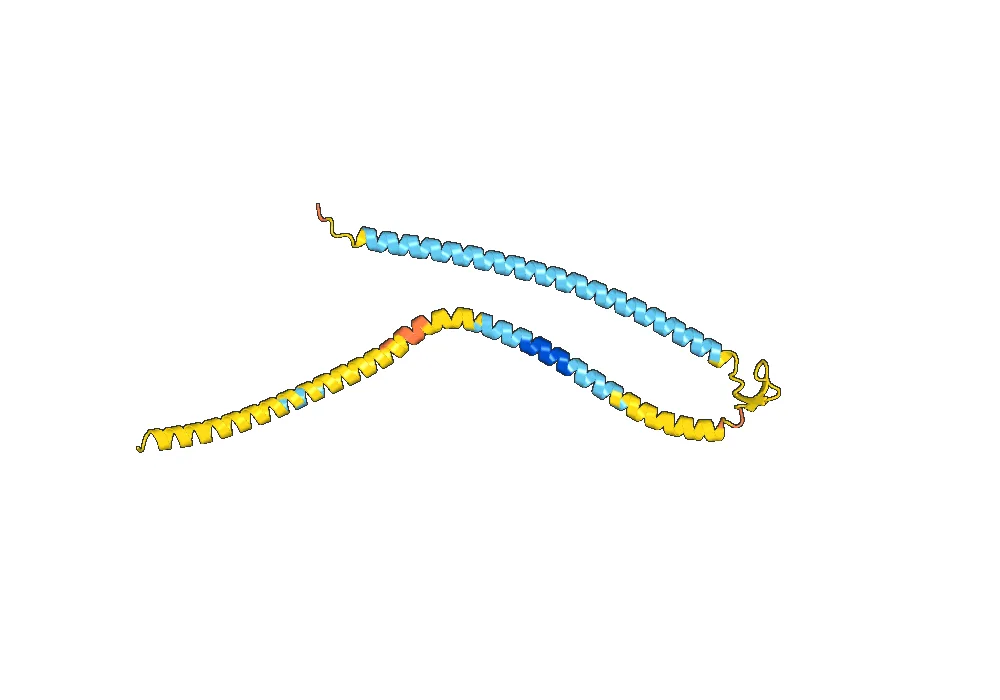
The cppB gene is found in the genome of Neisseria gonorrhoeae, the causative agent of the sexually transmitted infection gonorrhea. This gene codes for a protein called CppB, which belongs to the family of IgA1 proteases. IgA1 proteases are enzymes that are involved in the breakdown of immunoglobulin A, an important component of the body’s immune response.
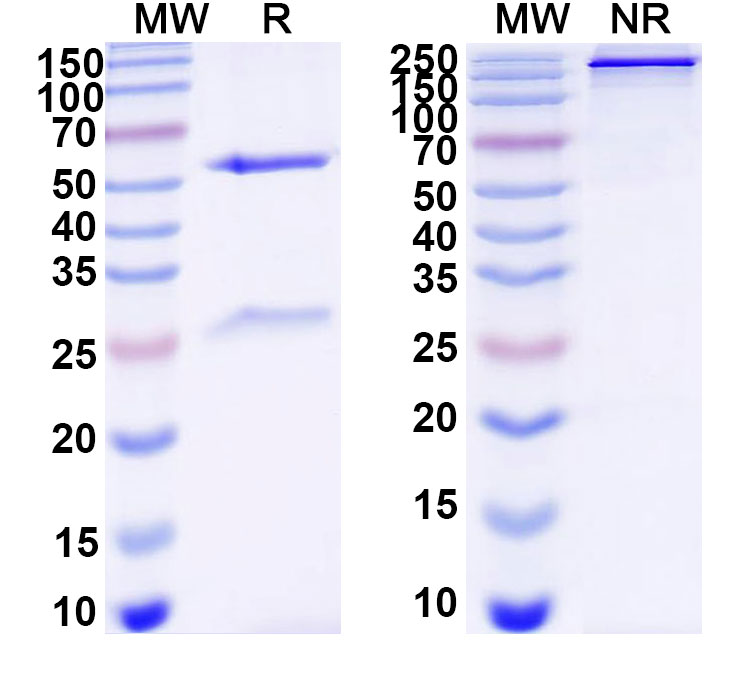
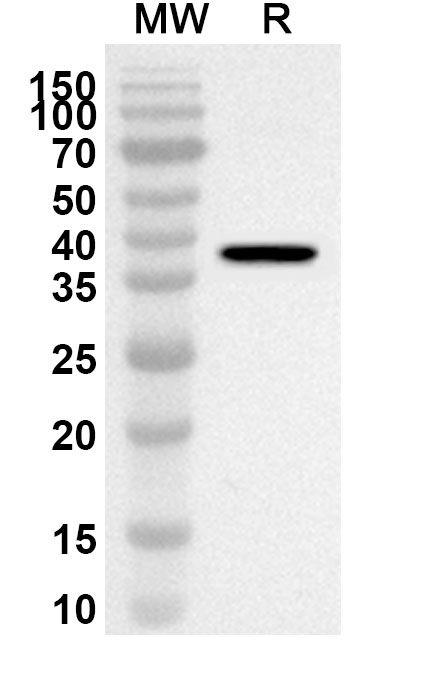
Recombinant Neisseria gonorrhoeae cppB is produced by inserting the cppB gene into a suitable host organism, such as Escherichia coli. The protein is then purified using various techniques, such as chromatography, to obtain a highly pure and active form of the protein. The purified protein has a molecular weight of approximately 100 kDa and is composed of 910 amino acids.
Activity of Recombinant Neisseria gonorrhoeae cppB
The main activity of Recombinant Neisseria gonorrhoeae cppB is its ability to cleave and inactivate immunoglobulin A. This activity is important for the survival of Neisseria gonorrhoeae in the human body, as it allows the bacteria to evade the body’s immune response and establish an infection. In addition to its role in immune evasion, cppB has also been shown to play a role in the formation of biofilms, which are communities of bacteria that are highly resistant to antibiotics.
Recombinant Neisseria gonorrhoeae cppB has also been found to have other enzymatic activities, such as the ability to cleave other proteins and peptides. These activities may have potential applications in the development of new diagnostic tests for Neisseria gonorrhoeae infections, as well as in the development of new therapeutic agents that target the activity of cppB.
Application of Recombinant Neisseria gonorrhoeae cppB
Recombinant Neisseria gonorrhoeae cppB has potential applications in the development of diagnostic tools, vaccines, and therapeutics for Neisseria gonorrhoeae infections. One potential application is the development of a diagnostic test that detects the presence of cppB in a patient’s sample, which could help in the early detection and treatment of gonorrhea.
In addition, cppB has been identified as a potential target for vaccine development. By targeting cppB, a vaccine could potentially prevent Neisseria gonorrhoeae from evading the body’s immune response and establishing an infection. This could be particularly beneficial in the face of increasing antibiotic resistance in Neisseria gonorrhoeae.
Furthermore, the enzymatic activities of Recombinant Neisseria gonorrhoeae cppB could be targeted for the development of new therapeutics. For example, inhibitors of cppB could be developed to prevent the formation of biofilms, which could enhance the effectiveness of antibiotics in treating Neisseria gonorrhoeae infections.
Conclusion
Recombinant Neisseria gonorrhoeae cppB is a protein with a diverse range of activities and potential applications in the field of biomedical research. Its structure and activity make it an important target for the development of diagnostic tools, vaccines, and therapeutics for Neisseria gonorrhoeae infections. Further research on this protein could lead to the development of new and innovative approaches for the prevention and treatment of gonorrhea



There are no reviews yet.