Introduction to Recombinant Mouse ROBO3 Protein
Recombinant proteins are proteins that are produced through genetic engineering techniques, allowing for the production of large quantities of a specific protein in a controlled and efficient manner. One such protein is the Recombinant Mouse ROBO3 Protein, also known as Roundabout Homolog 3.
Structure of Recombinant Mouse ROBO3 Protein
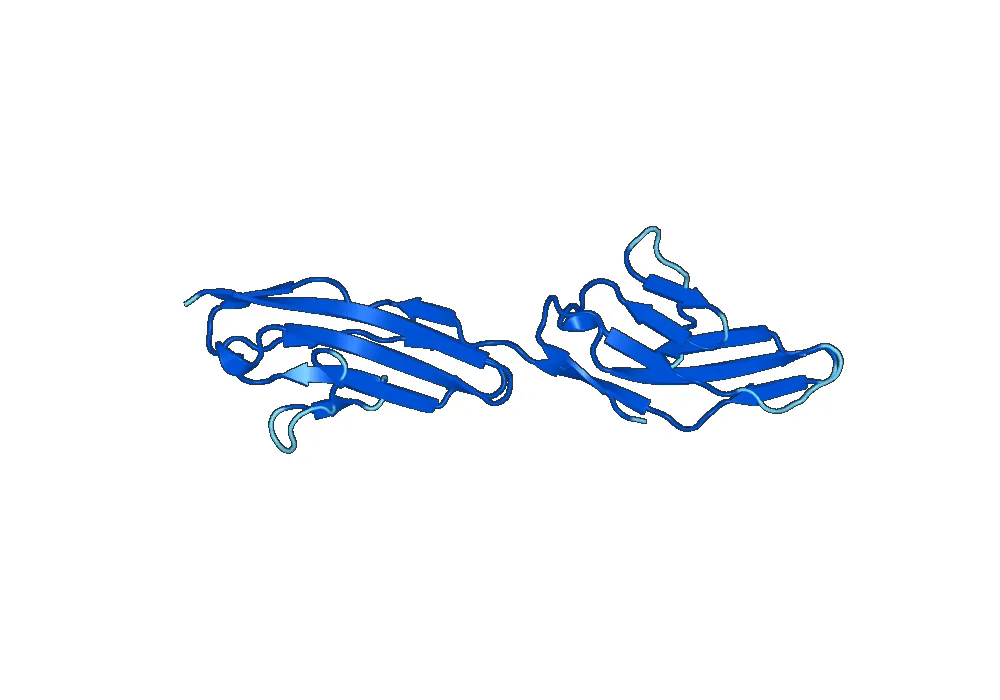
The ROBO3 protein is a member of the Roundabout receptor family, which plays a crucial role in axon guidance during neural development. The protein is composed of 1,051 amino acids and has a molecular weight of approximately 118 kDa. It consists of five immunoglobulin (Ig)-like domains, three fibronectin type III (FNIII) domains, and a transmembrane region. The extracellular portion of the protein contains the Ig and FNIII domains, while the intracellular portion contains a conserved cytoplasmic domain.
Activity of Recombinant Mouse ROBO3 Protein
The ROBO3 protein is involved in the regulation of axon guidance during neural development. It functions as a receptor for the Slit family of proteins, which are secreted by cells in the developing nervous system. The binding of Slit to ROBO3 triggers a signaling cascade that ultimately leads to the repulsion of axons from the source of Slit. This repulsive guidance plays a crucial role in the proper formation of neuronal pathways and the establishment of neuronal connections.
In addition to its role in axon guidance, ROBO3 has also been implicated in the regulation of cell migration, angiogenesis, and tumorigenesis. Studies have shown that ROBO3 expression is upregulated in various cancer types, and its overexpression has been associated with increased tumor growth and metastasis. This suggests that ROBO3 may have a broader role in cellular processes beyond neural development.
Application of Recombinant Mouse ROBO3 Protein
The availability of recombinant ROBO3 protein has greatly facilitated research in the field of axon guidance and neural development. It is commonly used in in vitro and in vivo studies to investigate the role of ROBO3 in various cellular processes. Recombinant ROBO3 protein can be used in cell culture experiments to study its interaction with Slit proteins and its downstream signaling pathways. It can also be used in animal models to examine the effects of ROBO3 on axon guidance and neuronal development.
In addition to its use in basic research, recombinant ROBO3 protein also has potential therapeutic applications. As mentioned earlier, ROBO3 has been implicated in various cancers, making it a potential target for cancer treatment. Recombinant ROBO3 protein can be used in drug screening assays to identify compounds that can modulate its activity and potentially inhibit tumor growth.
Conclusion
In summary, Recombinant Mouse ROBO3 Protein is a crucial player in axon guidance and neural development. Its structure, consisting of Ig and FNIII domains, allows for its interaction with Slit proteins, leading to downstream signaling events. Recombinant ROBO3 protein has a wide range of applications, from basic research to potential therapeutic uses. Its availability as a recombinant protein has greatly advanced our understanding of its role in various cellular processes and has the potential to contribute to the development of novel treatments for diseases such as cancer.

There are no reviews yet.