Structure of Recombinant Mouse Reg3b Protein
Recombinant Mouse Reg3b Protein is a member of the Reg3 family of proteins, which are secreted by the pancreas and play a crucial role in the regulation of cell growth and differentiation. The protein is composed of 175 amino acids and has a molecular weight of approximately 19 kDa.
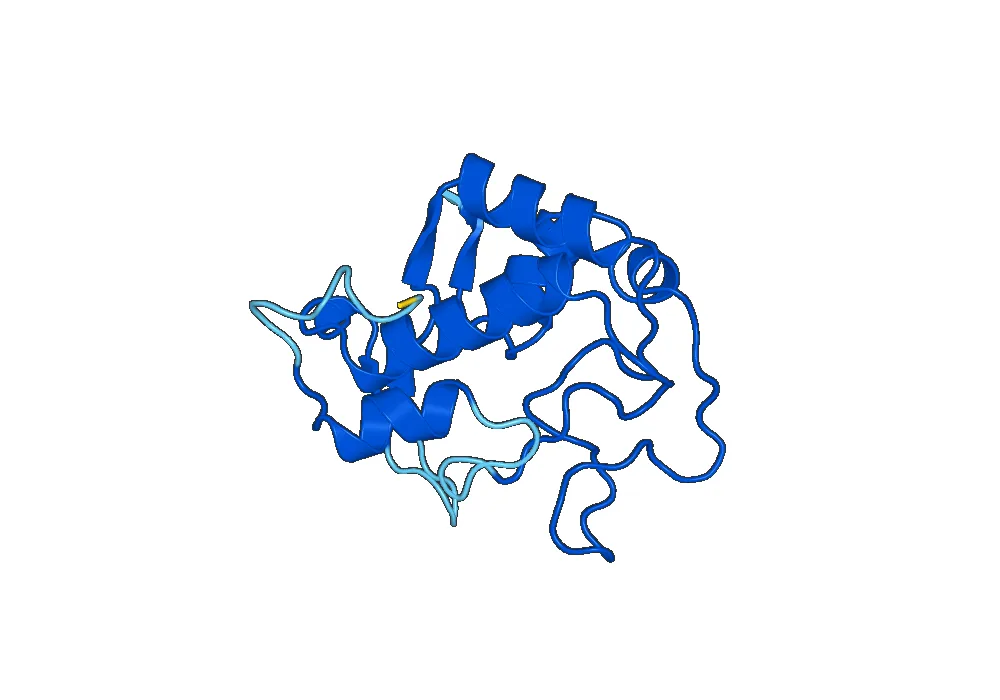
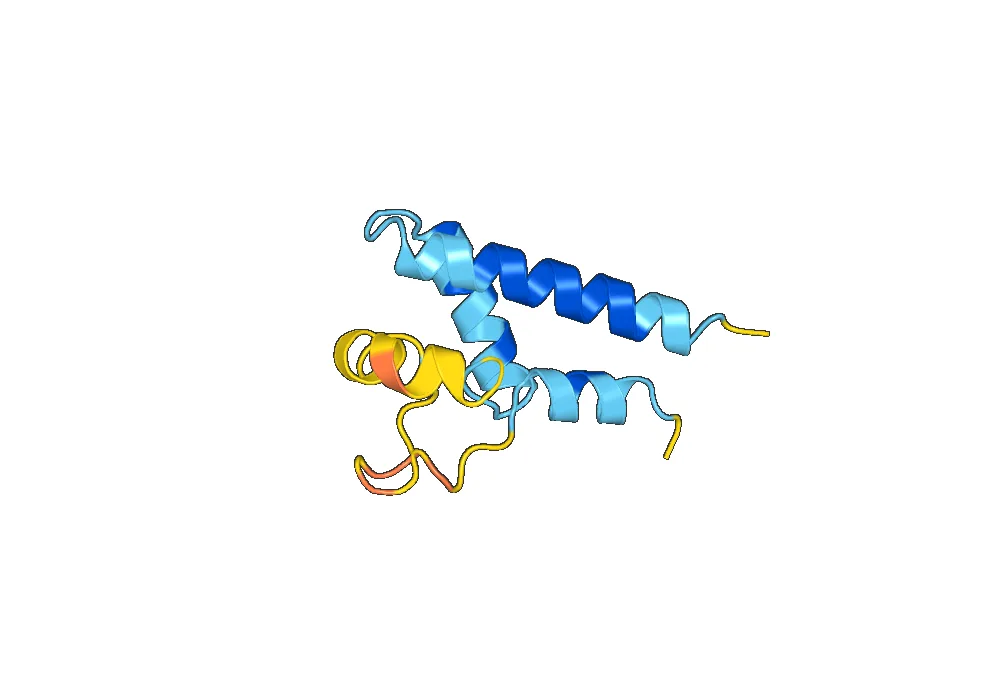
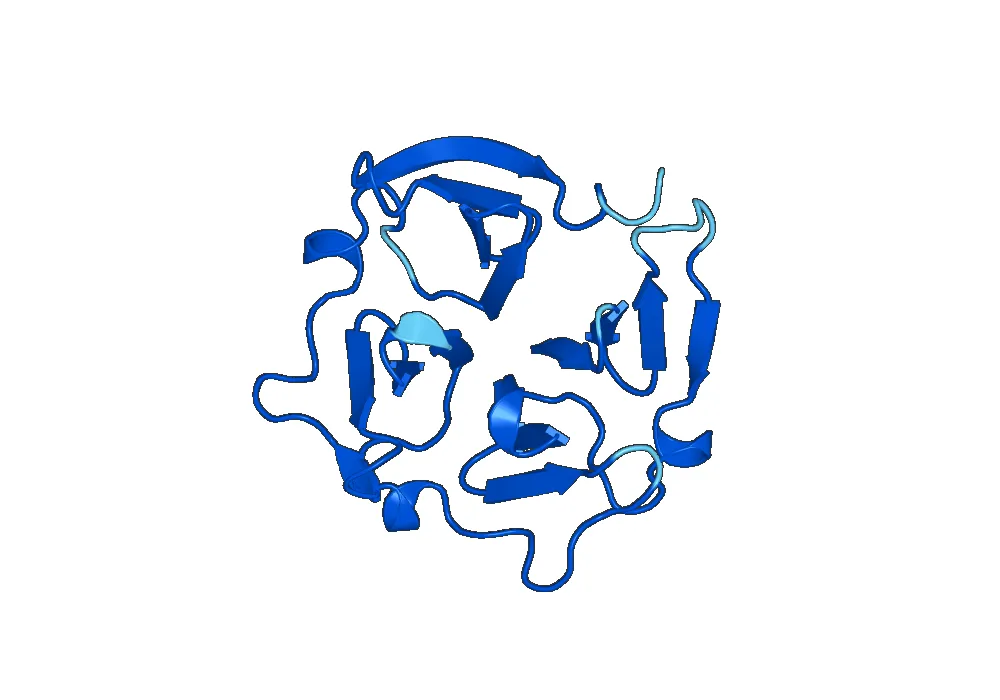
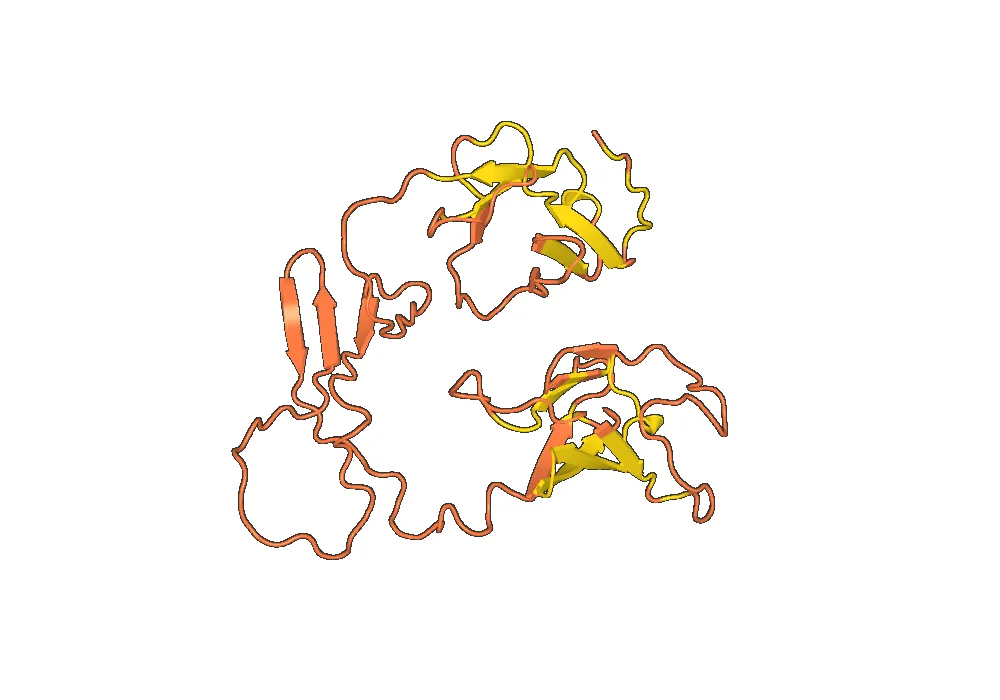
The structure of Recombinant Mouse Reg3b Protein is characterized by a compact globular shape, with three distinct domains: an N-terminal domain, a central domain, and a C-terminal domain. The N-terminal domain is responsible for the protein’s binding to cell surface receptors, while the central domain is involved in its dimerization. The C-terminal domain contains a conserved cysteine-rich motif, which is essential for the protein’s biological activity.
Activity of Recombinant Mouse Reg3b Protein
Recombinant Mouse Reg3b Protein has been shown to exhibit antimicrobial activity against a wide range of Gram-positive and Gram-negative bacteria, including Escherichia coli, Staphylococcus aureus, and Pseudomonas aeruginosa. This activity is attributed to the protein’s ability to bind to the bacterial cell wall and disrupt its integrity, leading to cell death.
In addition to its antimicrobial activity, Recombinant Mouse Reg3b Protein has also been shown to play a role in tissue regeneration and wound healing. The protein promotes the proliferation of epithelial cells and the formation of new blood vessels, which are essential for tissue repair and regeneration. This activity is mediated by the protein’s interaction with cell surface receptors, such as epidermal growth factor receptor (EGFR) and vascular endothelial growth factor receptor (VEGFR).
Application of Recombinant Mouse Reg3b Protein
Recombinant Mouse Reg3b Protein has a wide range of potential applications in both research and clinical settings. One major application is in the development of novel antimicrobial therapies. The protein’s potent antimicrobial activity and broad spectrum of activity make it a promising candidate for the treatment of bacterial infections, particularly those caused by multidrug-resistant bacteria.
Furthermore, Recombinant Mouse Reg3b Protein has potential applications in tissue engineering and regenerative medicine. Its ability to promote tissue repair and regeneration makes it a promising candidate for the development of wound healing products and therapies for conditions such as diabetic ulcers and burns.
In research, Recombinant Mouse Reg3b Protein can be used as a tool to study the role of the protein in various biological processes. Its antimicrobial activity can be exploited to study the mechanisms of bacterial pathogenesis and the development of resistance to antibiotics. Additionally, the protein’s role in tissue regeneration can be further explored to understand its potential in promoting tissue repair and regeneration in different disease conditions.
Conclusion
In summary, Recombinant Mouse Reg3b Protein is a versatile and potent protein with diverse biological activities. Its compact globular structure, antimicrobial activity, and ability to promote tissue regeneration make it a promising candidate for various applications in both research and clinical settings. Further studies and advancements in recombinant protein technology are expected to expand the potential applications of Recombinant Mouse Reg3b Protein and contribute to the development of novel therapies for various diseases.



There are no reviews yet.