Introduction to Recombinant Mouse APCDD1 Protein
Recombinant Mouse APCDD1 Protein, also known as Adipocyte Differentiation-Related Protein (ADRP), is a highly conserved protein that plays an important role in cellular development and differentiation. This protein is encoded by the APCDD1 gene and is a member of the Wnt signaling pathway, which is involved in various cellular processes such as cell proliferation, differentiation, and migration.
Structure of Recombinant Mouse APCDD1 Protein
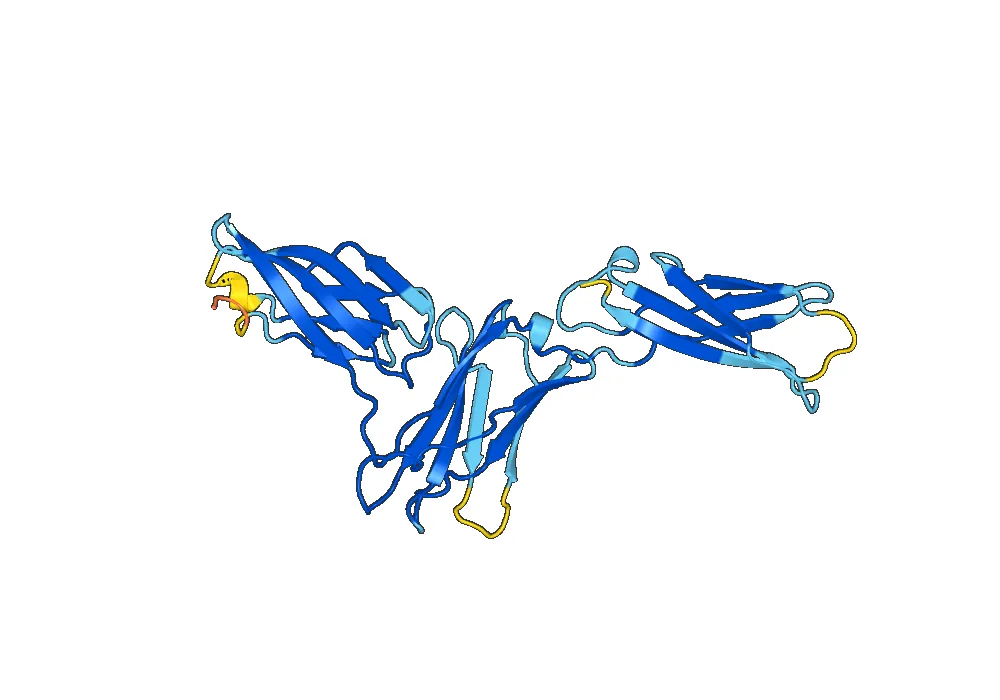
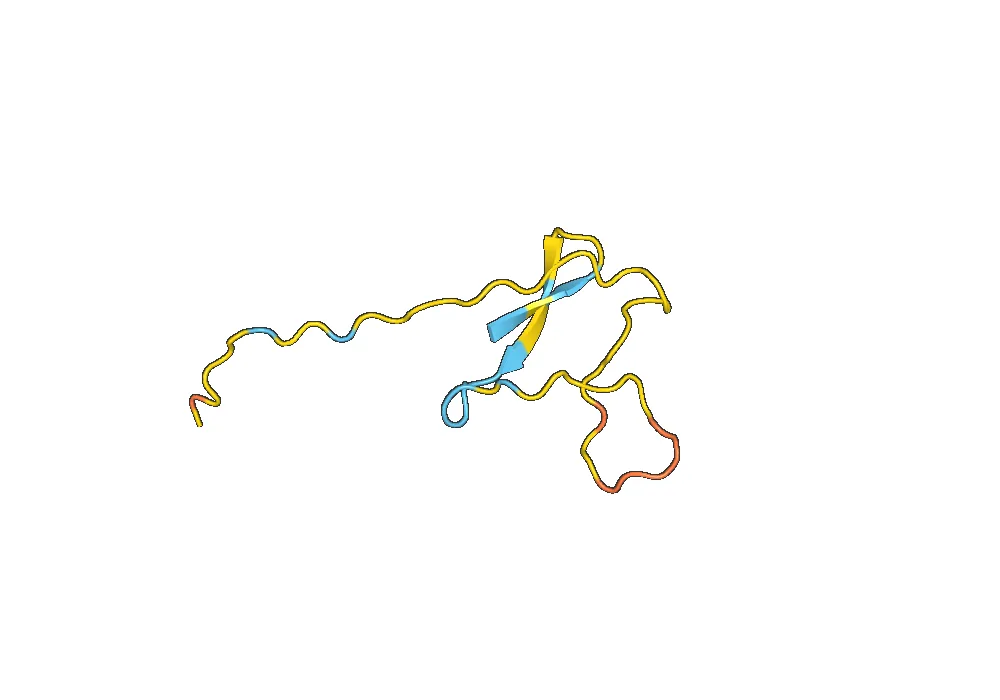
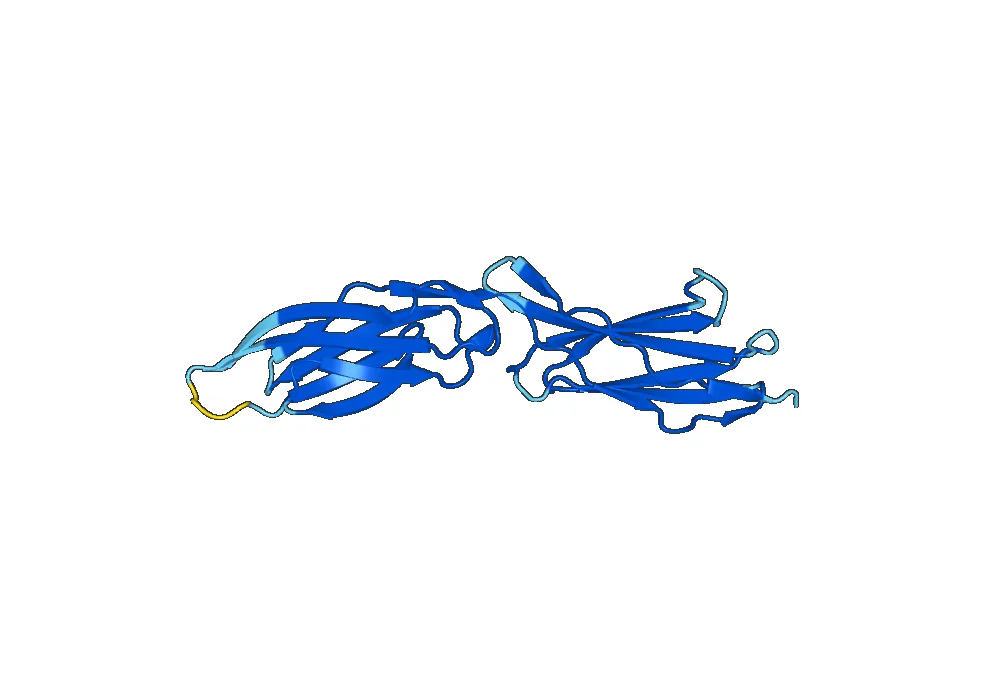
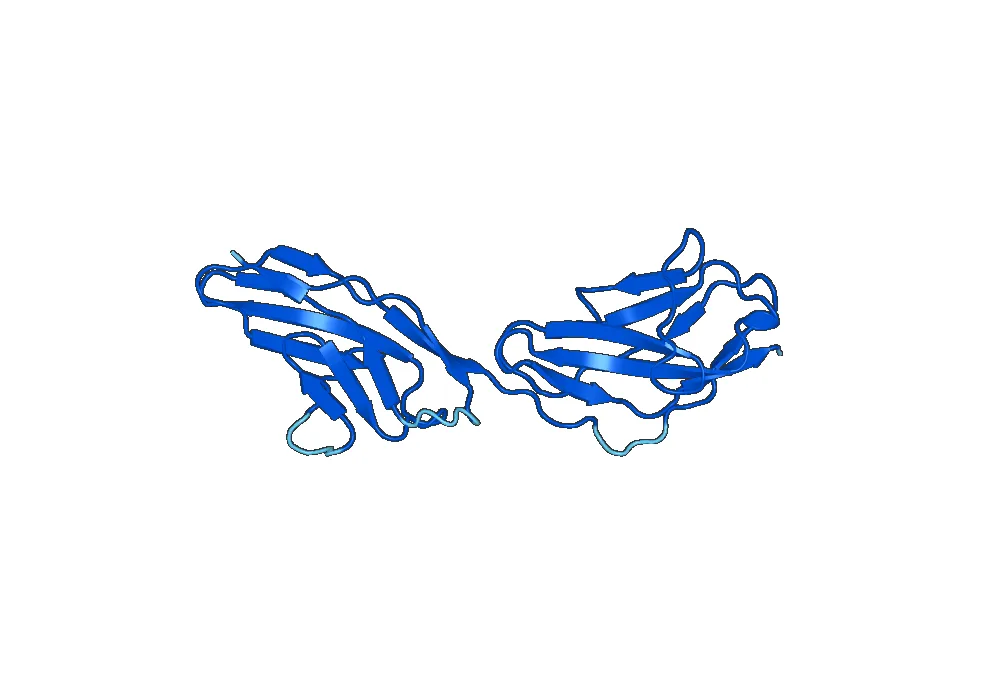
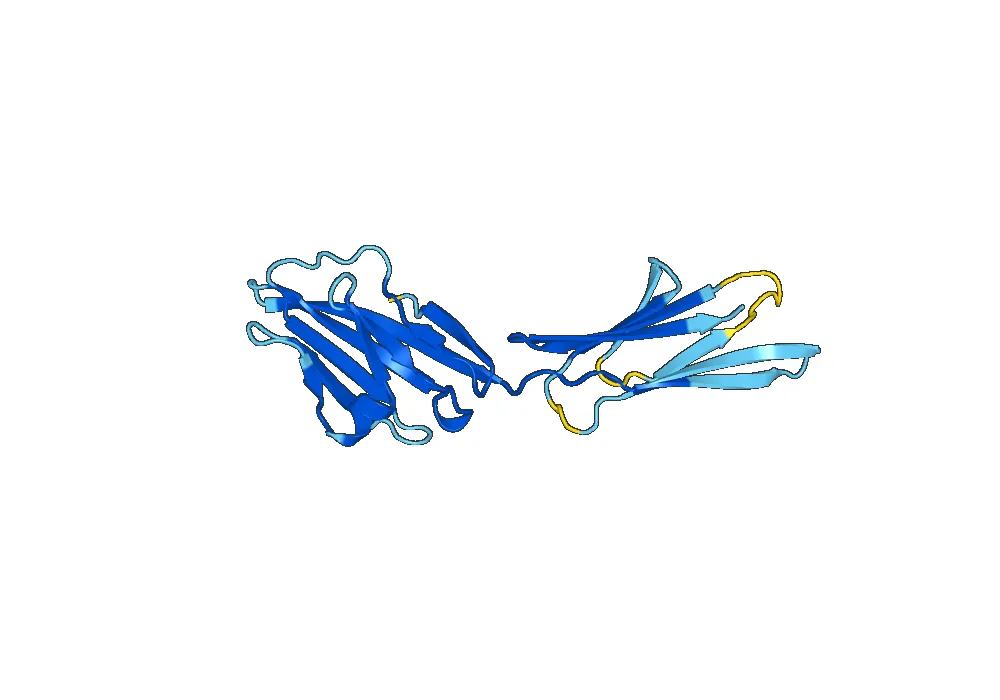
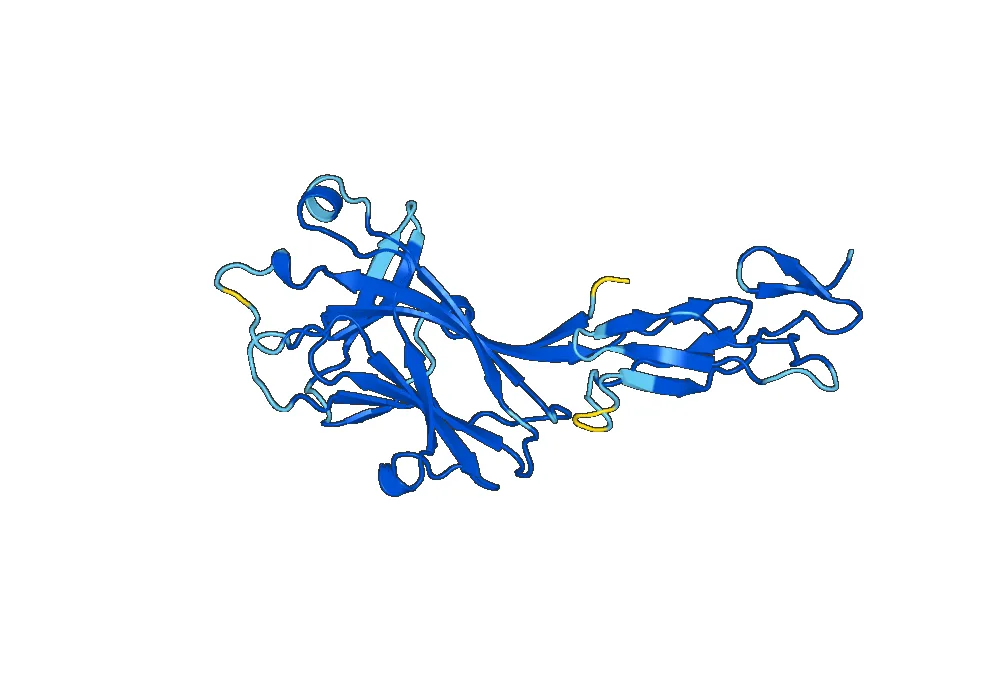
Recombinant Mouse APCDD1 Protein is a 34 kDa protein that consists of 306 amino acids. It contains a signal peptide at the N-terminus, followed by a conserved domain known as the CUB (Complement C1r/C1s, Uegf, Bmp1) domain. This domain is responsible for the interaction with other proteins and is crucial for the function of APCDD1. The C-terminal region of the protein contains a hydrophobic domain that anchors it to the cell membrane.
Activity of Recombinant Mouse APCDD1 Protein
Recombinant Mouse APCDD1 Protein is primarily expressed in adipocytes and is involved in the regulation of adipocyte differentiation. It has been shown to inhibit the Wnt signaling pathway by binding to the Wnt co-receptor, LRP6. This binding prevents the activation of downstream signaling molecules, ultimately leading to the inhibition of adipocyte differentiation. In addition, APCDD1 has been found to interact with other proteins involved in adipocyte differentiation, such as PPARγ and C/EBPα, further regulating this process.
Apart from its role in adipocyte differentiation, Recombinant Mouse APCDD1 Protein has also been implicated in other cellular processes. It has been shown to play a role in hair follicle development, where it inhibits the proliferation of hair follicle stem cells. In addition, APCDD1 has been found to regulate the proliferation and differentiation of osteoblasts, suggesting a potential role in bone development.
Application of Recombinant Mouse APCDD1 Protein
Due to its involvement in various cellular processes, Recombinant Mouse APCDD1 Protein has been studied extensively in different fields of research. One of its main applications is in the study of adipocyte differentiation and obesity. Studies have shown that APCDD1 expression is increased in obese individuals, and its overexpression has been linked to the development of obesity-related diseases such as insulin resistance and type 2 diabetes. Therefore, targeting APCDD1 may be a potential therapeutic strategy for treating obesity and its associated complications.
In addition, Recombinant Mouse APCDD1 Protein has also been studied in the context of hair follicle development and skin disorders. Its role in inhibiting hair follicle stem cell proliferation suggests that it may be a potential target for hair loss treatments. Furthermore, APCDD1 has been found to be upregulated in psoriasis, a chronic inflammatory skin disorder, and targeting it may provide a new approach for treating this condition.
Another potential application of Recombinant Mouse APCDD1 Protein is in bone development and osteoporosis. Its role in regulating osteoblast proliferation and differentiation suggests that it may be a potential target for treating bone disorders such as osteoporosis, where there is a decrease in bone density and an increased risk of fractures.
Conclusion
Recombinant Mouse APCDD1 Protein is a highly conserved protein that plays a crucial role in various cellular processes. Its structure and function have been extensively studied, and it has been implicated in adipocyte differentiation, hair follicle development, and bone development. With its potential involvement in various diseases, APCDD1 may be a promising target for therapeutic interventions in the future.

There are no reviews yet.