Introduction
Recombinant Mouse NODAL Protein is a type of protein that has been produced through genetic engineering techniques. It is a member of the TGF-β superfamily and is involved in various biological processes such as cell differentiation, proliferation, and migration. In this article, we will discuss the structure, activity, and applications of Recombinant Mouse NODAL Protein.
Structure of Recombinant Mouse NODAL Protein
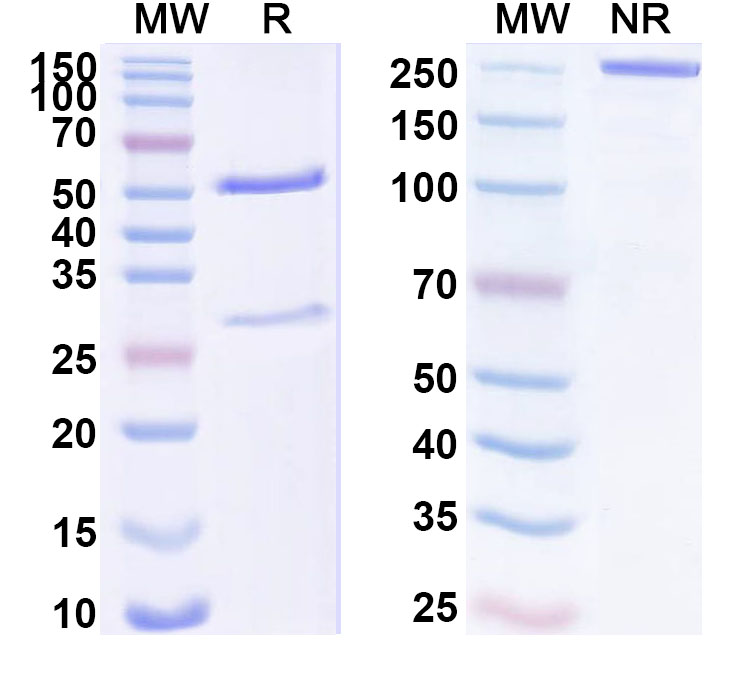
Recombinant Mouse NODAL Protein is a homodimeric protein, meaning it is composed of two identical subunits. Each subunit has a molecular weight of approximately 40 kDa and is made up of 347 amino acids. The protein contains a signal peptide at the N-terminus, followed by a prodomain and a mature domain. The mature domain is responsible for the biological activity of the protein.
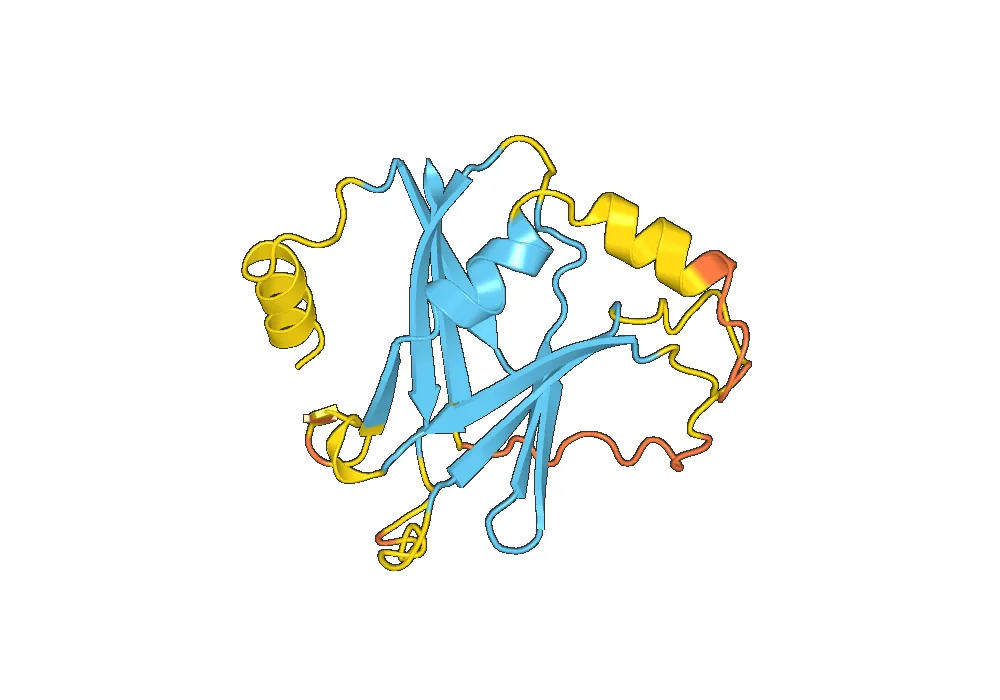
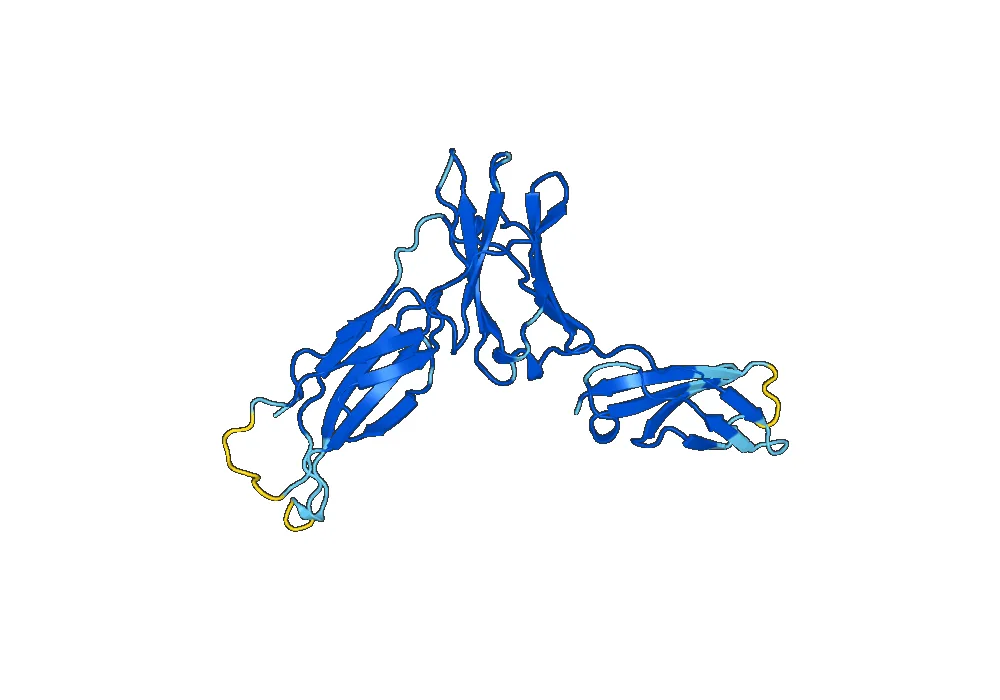
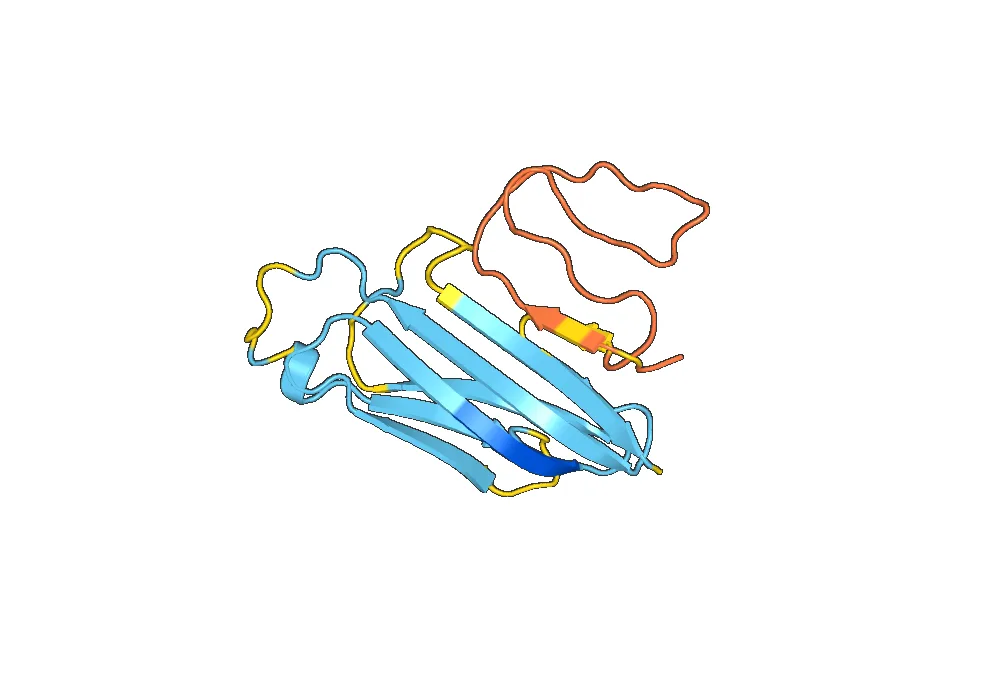
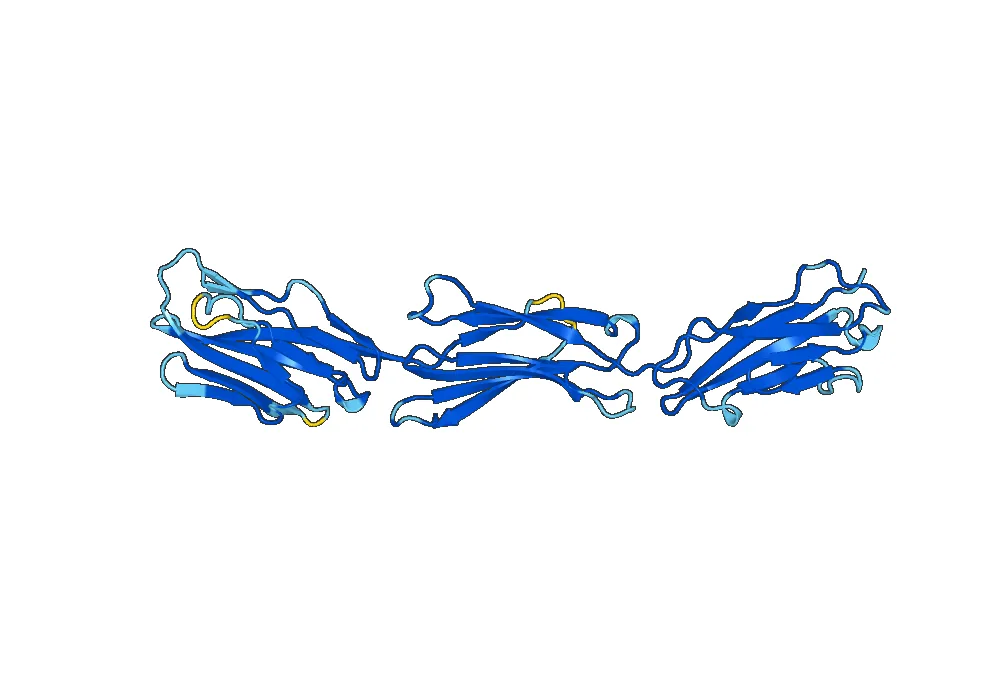
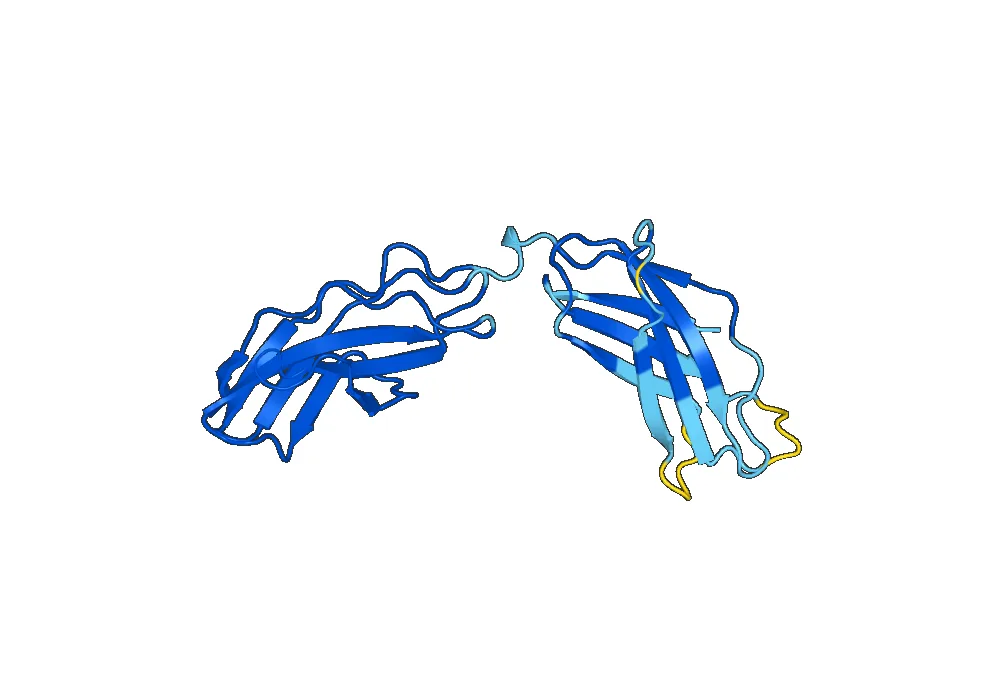
The crystal structure of Recombinant Mouse NODAL Protein has been determined, revealing a compact structure with a central core composed of seven beta strands surrounded by alpha helices. The structure of this protein is highly conserved among different species, indicating its importance in various biological processes.
Activity of Recombinant Mouse NODAL Protein
Recombinant Mouse NODAL Protein is a multifunctional protein that plays a crucial role in embryonic development. It acts as a morphogen, meaning it can induce different cell fates depending on its concentration. NODAL signaling is essential for mesoderm and endoderm formation during early embryonic development. It also plays a role in left-right axis determination and neural tube patterning.
In addition to its role in embryonic development, NODAL signaling has been found to be involved in cancer progression. It has been shown to promote tumor growth, invasion, and metastasis in various types of cancer. This makes Recombinant Mouse NODAL Protein a potential target for cancer therapy.
Applications of Recombinant Mouse NODAL Protein
Recombinant Mouse NODAL Protein has various applications in both research and clinical settings. In research, it is commonly used to study embryonic development and stem cell differentiation. It can also be used to induce pluripotency in somatic cells, making it a valuable tool in the field of regenerative medicine.
In a clinical setting, Recombinant Mouse NODAL Protein has potential therapeutic applications. Its ability to induce pluripotency in somatic cells can be utilized for cell-based therapies. It is also being studied as a potential target for cancer therapy, with the aim of inhibiting its activity to prevent tumor growth and metastasis.
Antigenic Properties of Recombinant Mouse NODAL Protein
Recombinant Mouse NODAL Protein can act as an antigen, meaning it can elicit an immune response in the body. This property has been utilized in the development of vaccines against certain types of cancer. The protein can be used as a vaccine antigen to induce an immune response against cancer cells expressing NODAL, leading to their destruction.
In addition, Recombinant Mouse NODAL Protein can also be used as a diagnostic tool for various diseases. Antibodies against NODAL can be used to detect its expression in tissues, providing valuable information for disease diagnosis and prognosis.
Conclusion
In summary, Recombinant Mouse NODAL Protein is a crucial protein involved in embryonic development and cancer progression. Its structure and activity have been extensively studied, and it has various applications in research and clinical settings. With ongoing research, this protein has the potential to be used as a therapeutic target for cancer and other diseases.

There are no reviews yet.